Wash Dry Clean Clothes at Home? Risk Check First
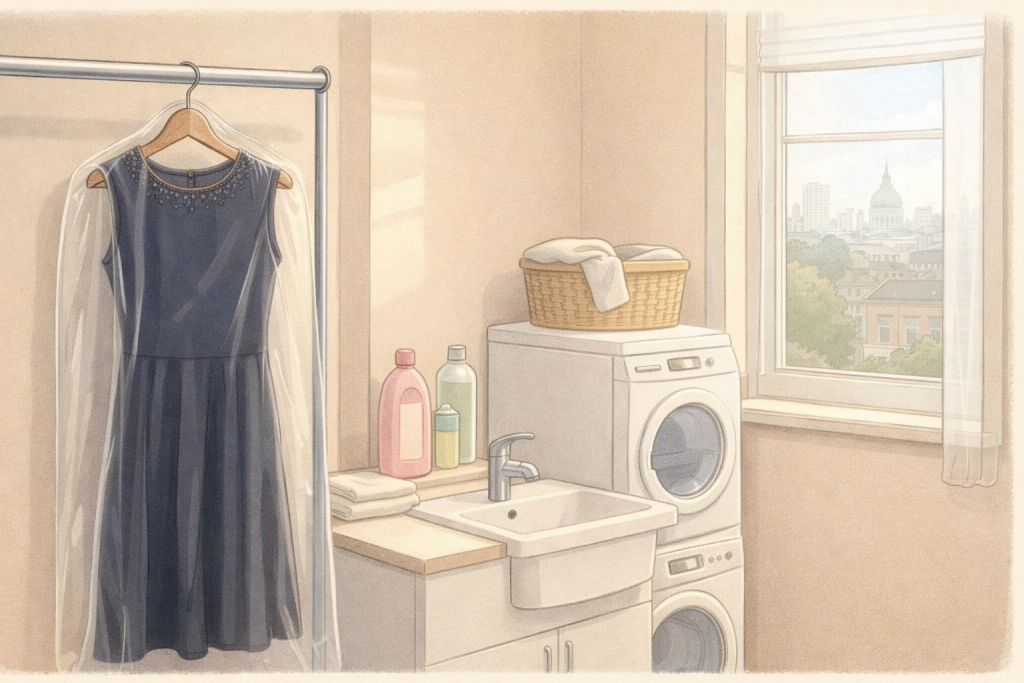
You’ve probably done it. You see “dry clean only”, you think “How bad can it be?”, and you try to wash dry clean items at home anyway. Sometimes you get away with it, then one day a favourite blouse comes out smaller, patchy, or weirdly stiff.
Despite what you may have read, the label isn’t always a lie. But it also isn’t a commandment. The trick is knowing what’s low-risk and what’s basically a coin toss.
Myth: “Dry clean only” means “never wash”
Most labels are written to protect the brand, not to teach you fabric science. Retailers pick the safest instruction for the widest range of real-life washing habits, including hot washes, harsh detergents, and tumble drying.
That said, the label usually signals real risk. A lot of “dry clean only” pieces rely on structure (interfacing, linings, padding) or dyes and finishes that don’t behave in water.
The reality
Sometimes you can wash dry clean pieces at home, but only if the fabric and construction pass a quick risk check. The British Retail Consortium publishes guidance around care labelling and garment care symbols, and the big takeaway is simple: the label is a tested recommendation, not a dare.
If you treat it as “optional”, do it with your eyes open and accept you might be paying for a rescue job later.
Myth: Dry cleaning is just “posh washing”
People assume dry cleaning is basically a gentler version of home laundry. That’s misleading because the whole point is avoiding water for fabrics that spot, shrink, or distort.
Traditional dry cleaning often uses perchloroethylene (also called tetrachloroethylene). It behaves very differently to water, especially on oils and greasy make-up.
The reality
If you’re deciding whether to wash dry clean garments or take them to a professional, it helps to understand the process difference. Water-based washing swells fibres and can shift dyes. Solvent cleaning targets oily soils and can reduce certain water-marking issues. According to the UKHSA tetrachloroethylene guidance, tetrachloroethylene exposure can affect the nervous system at higher levels, which is why professional handling and ventilation matter.
So no, home washing is not a “safer dry clean”. It’s a different process with different risks.
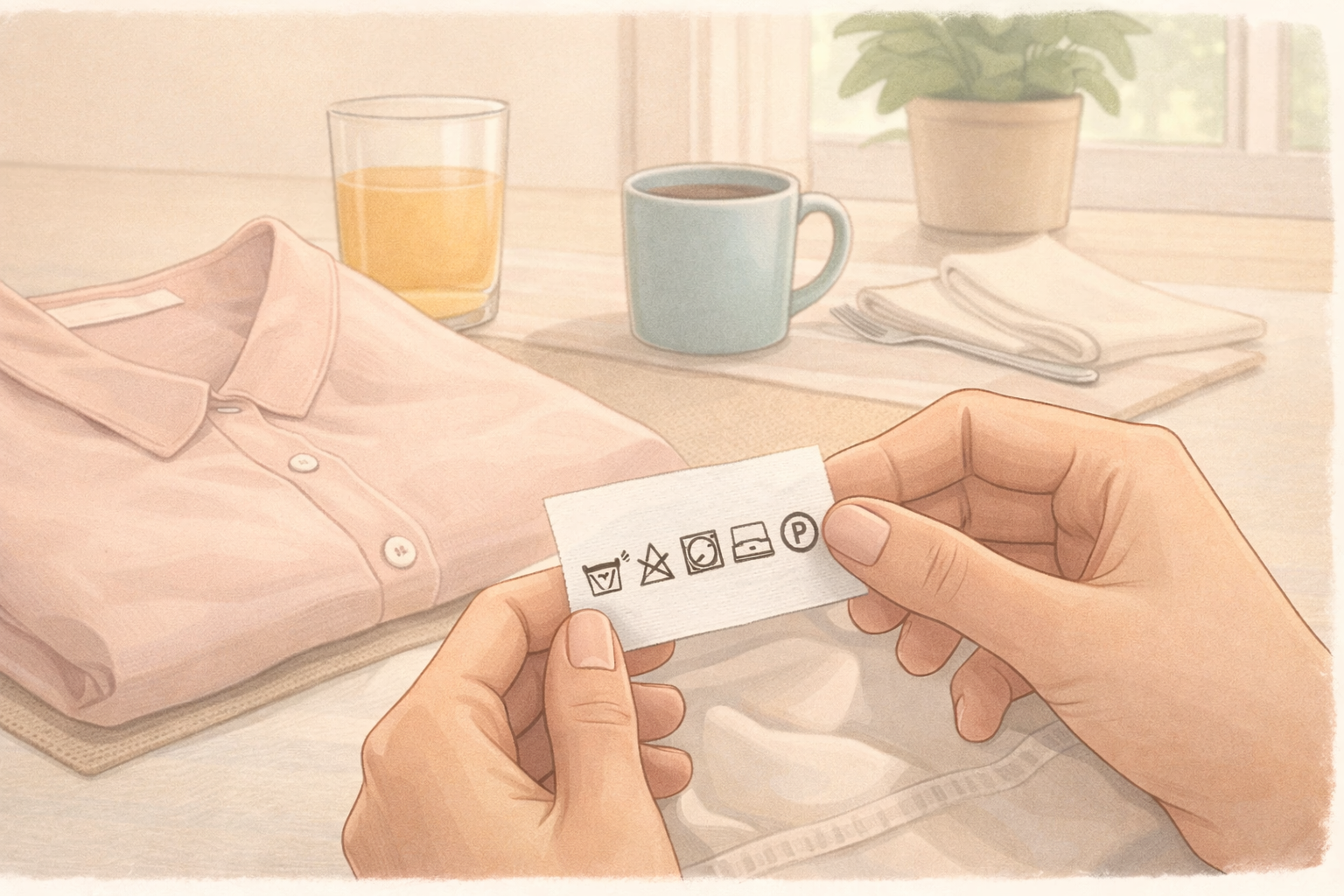
Myth: If it looks fine wet, it’ll dry fine
This is where people get caught out. A garment can look completely normal in the sink, then dry into a misshapen, rippled mess.
The conventional wisdom is “just reshape it and it’ll be fine”. That works for some knits, but structured items often change permanently once the internals move.
The reality
When you wash dry clean clothing, water can soften or bubble interfacing, warp shoulder pads, and leave tide marks on silk and viscose. The damage often shows up after drying, not during washing.
If you’re dealing with a jacket, suit, pleated skirt, or anything lined, assume the risk is higher than it looks.
Myth: Home “dry cleaning kits” replace a cleaner
Those kits can be handy, but the marketing oversells them. They’re usually a damp cloth plus a low-heat tumble cycle, which is basically a refresh with fragrance.
They won’t remove set-in stains, and they can bake some marks in if you apply heat too early.
The reality
Home kits can reduce odours and light, fresh grime. They won’t do proper stain treatment, and they won’t fix shape issues.
If smells are your main problem, start with airflow and targeted freshening first. We’ve got a practical run-through of what actually works for odours in this musty clothes smell piece.
Myth: Cold water makes it “safe”
Cold water helps, but it’s not magic. Some fibres hate agitation more than temperature, and some dyes bleed even in cool washes.
If you’ve ever watched dark water pour out of a “cold wash”, you already know.
The reality
Cold water and a gentle detergent reduce risk, but they don’t eliminate shrinkage, colour transfer, or water marks. If you’re trying to wash dry clean clothing at home, you still need to check fabric, structure, and colour before you touch the tap.
Dark shades are especially unforgiving. If fading is your recurring problem, the habits that help most are in our black clothes fading tips.
What actually works
Here’s the simple decision guide we’d use if you asked us over the garden fence.
Do the 60-second risk check
- Fabric check: silk, wool, cashmere, rayon/viscose, acetate, and blends are the usual troublemakers.
- Structure check: lining, shoulder pads, pleats, sharp creases, glued interfacing, or anything “tailored”.
- Colour and finish check: dark dyes, bold prints, beading, sequins, leather trims, suede panels.
- Stain check: oil, make-up, red wine, ink, and anything old or heat-set.
If you fail two or more checks, don’t try to launder “dry clean only” items at home. That’s not being precious, it’s being realistic.
Lowest-risk cleaning methods first
- Spot clean clothing: dab, don’t scrub. Use a clean white cloth and a tiny amount of mild detergent in cool water.
- Air out and steam: often enough for a “worn once” item. Keep the steamer moving and don’t soak the fabric.
- Hand wash (only low-risk pieces): cool water, gentle detergent, short soak (2 to 5 minutes), no wringing, then towel-roll to remove water.
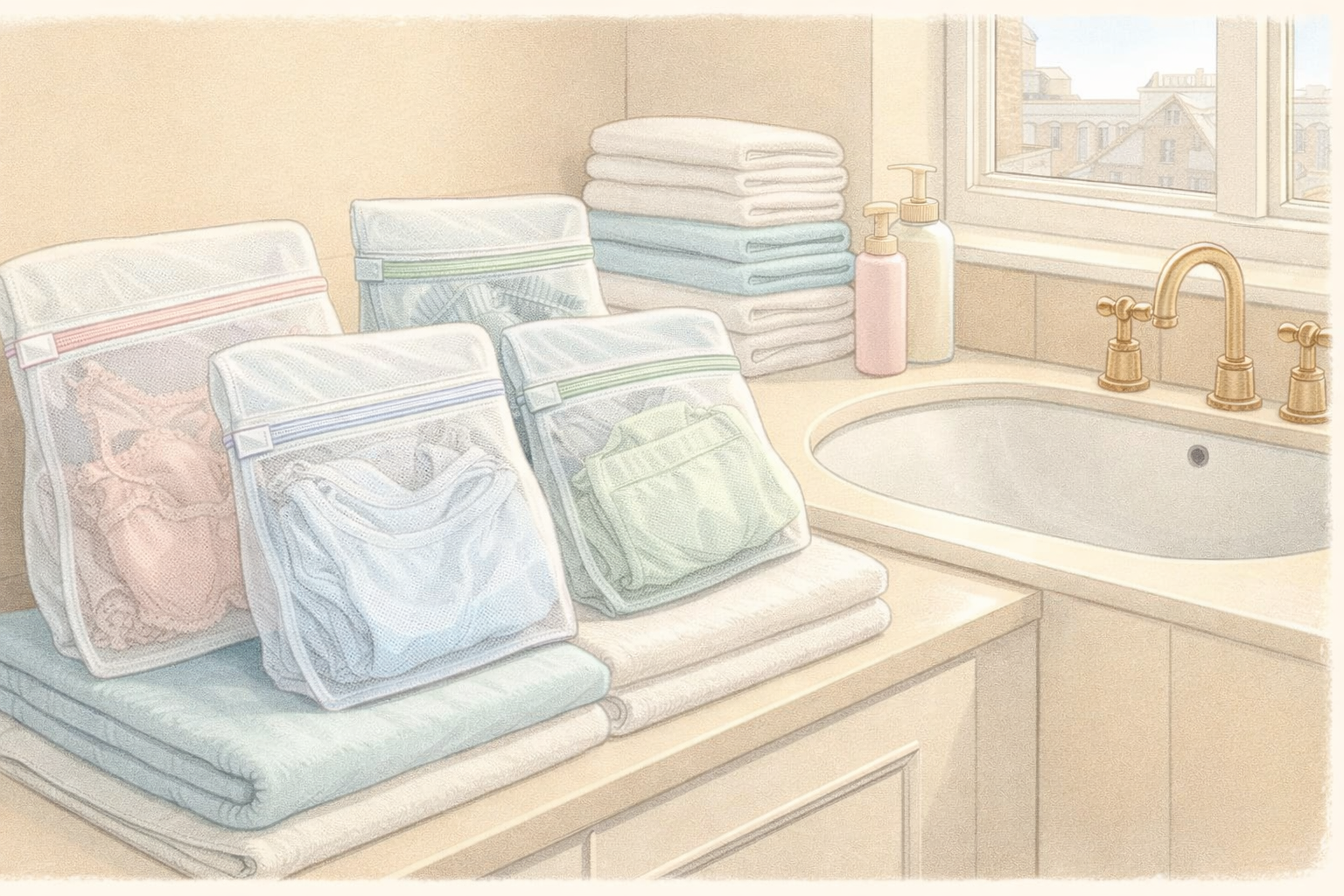
- Machine wash (rarely): only if it’s unstructured and colourfast. Use a mesh bag, delicate cycle, cold water, and low spin.
Drying and reshaping, the bit people rush
Dry flat for knits and anything that can stretch. Don’t hang heavy wet jumpers unless you want long shoulders.
Pressing matters too. A lot of “bubbled” fabric is just wrong heat and pressure. If you want the difference explained plainly, there’s more on that in our pressing vs ironing breakdown.
Fabric cheat sheet for wash dry clean
Let’s keep this blunt. Some fabrics forgive you. Others don’t.
- Silk: You can sometimes hand wash silk if it’s plain weave, unlined, and colourfast. Avoid long soaking, and don’t rub at water marks. Blot, reshape, dry flat, and keep it out of direct sun.
- Wool and cashmere: Refresh first (air, steam). If you wash, do it quickly in cool water and dry flat. Agitation is the enemy, not just heat.
- Rayon/viscose: High risk. It can shrink, go rippled, or lose strength when wet. If it’s a structured dress or blouse, we’d avoid water completely.
- Acetate: Also risky, it can spot and distort. Treat “dry clean only label” acetate as a warning, not a suggestion.
A slightly surprising insider tip: some “dry clean only” items are only labelled that way because of trims (buttons, bonded hems, leather tabs). The main fabric might be fine, but the details won’t be.
When a local cleaner is smarter
If the item is replaceable and you’re experimenting, fine. If it’s your work suit, your wedding guest outfit, or a vintage find, the maths changes.
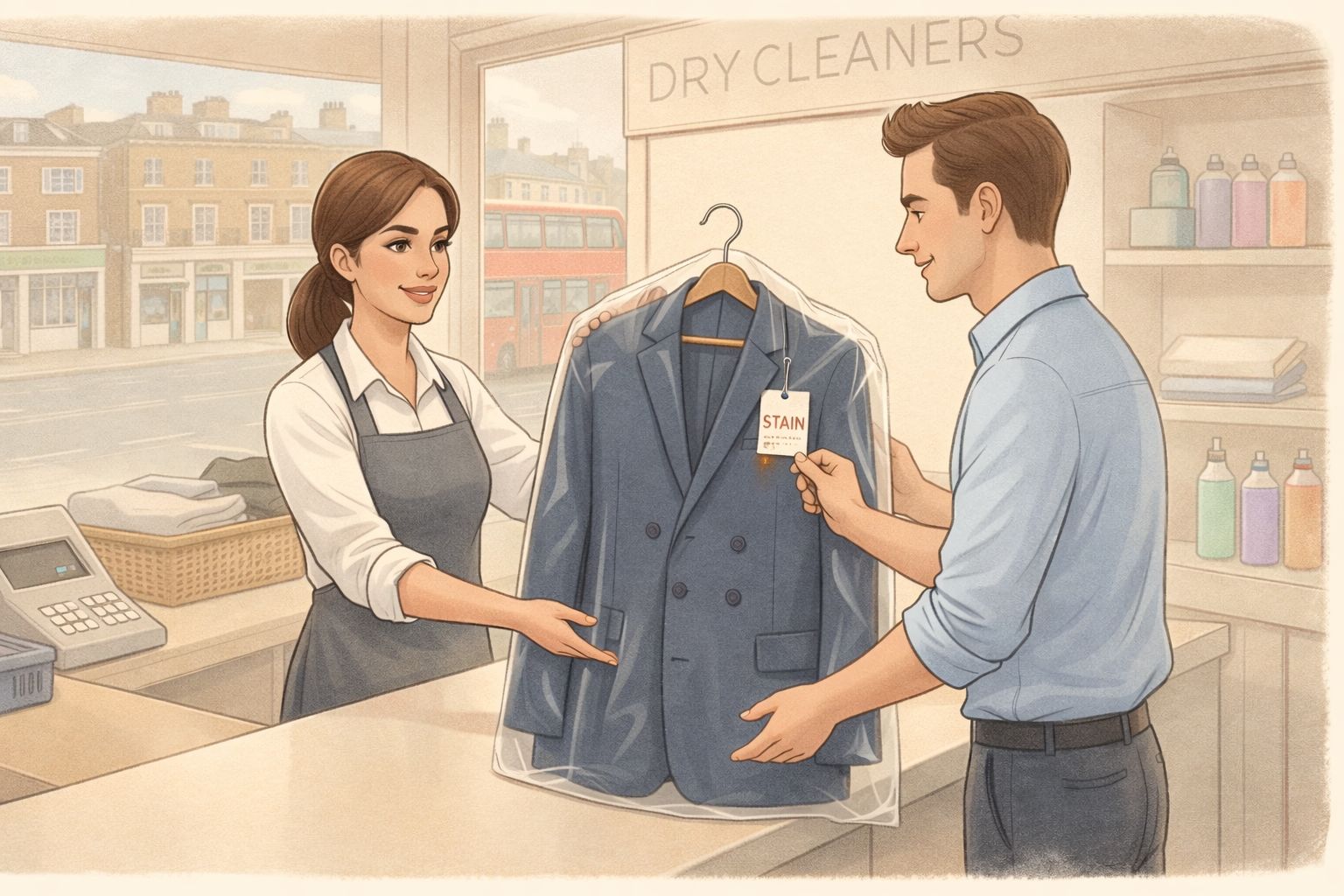
If you’re debating whether to wash dry clean pieces or book a professional service, bring it in if you’ve got:
- Oil or make-up stains (they spread in water)
- Wine that’s already dried
- Ink (it loves to travel). If you’re mid-panic, start here: how to remove ink stains fast.
- Tailoring and structure: suits, lined jackets, pleats, coats
- Sentimental pieces you can’t replace
And honestly, sometimes it’s just a busy-week problem. Wash and fold, wash and press, and proper ironing save you hours and reduce the “I’ll just chance it” moments.
If you’re near Portobello Road or Ladbroke Grove, popping into Notting Hill is easy. If you’re up by Woodhouse Road and North Finchley, same deal.
For service options and turnaround times, see our dry cleaning services page. If you need help with everyday laundry too, our wash and fold service is a straightforward alternative.
If it went wrong already
First rule: stop experimenting. The second wash or a hot iron often locks damage in.
Shrinkage: Don’t tumble dry again. Lay it flat and assess. For some knits you can gently relax fibres with lukewarm water and conditioner, then reshape. If you want a realistic salvage plan (not TikTok nonsense), we put one together here: how to unshrink clothes.
Dye bleed or colour transfer: Rinse in cold water immediately. Don’t let it dry. Separate it from everything else and avoid heat until the water runs clear.
Misshaping and bubbling: Heat and pressure need control. A home iron on full blast can scorch, shine, or set ripples. If the fabric has bubbled interfacing, a pro press can sometimes improve it, but it’s not guaranteed.
Frequently asked questions
What happens if you wash something that says dry clean only?
Best case, nothing. Common case, you get shrinkage, dye bleed, water marks, or a limp shape. Worst case, the internal structure shifts and you can’t get it back.
Can you hand wash dry clean only clothes safely?
Sometimes, yes. Stick to unstructured pieces, cool water, short contact time, and no wringing. If you’re trying to clean “dry clean only” garments that are lined, pleated, or tailored, hand washing is usually still a bad bet.
Are home dry cleaning kits any good?
They’re fine for freshening and light odours, not for real stain removal or shape recovery. Think “refresh”, not “clean”.
Which fabrics should never be washed at home even if they look fine?
Rayon/viscose, acetate, and structured wool pieces are top of the list. Add anything with bonded interfacing, heavy beading, leather trims, or sharp pleats.
How do I freshen a dry clean only coat without cleaning it?
Air it outside (shade, not direct sun) for a few hours, then steam lightly from a distance. Brush off surface dirt with a garment brush. If it smells damp, fix the storage and airflow, not just the coat.
Correct care matters more than people like to admit. WRAP reports that extending the active life of clothing cuts its carbon footprint, and even a modest life extension (around 9 months) can reduce impacts by 20 to 30% depending on the measure. You don’t need to be perfect, you just need to stop the avoidable mistakes.
If you’re still unsure, treat your wardrobe like you’d treat your phone. You wouldn’t “just see what happens” with water and hope.
If you want a second opinion before you wash dry clean favourites, bring them in and we’ll tell you what we’d do.
Glint Express Notting Hill: 341 Ladbroke Grove, London W10 6HA | 0745 030 2088 | NottingHill@glintexpress.co.uk
Glint Express North Finchley: 9 Halliwick Court Parade, Woodhouse Road, London N12 0NB | 020 3376 2060 | nfinchley@glintexpress.co.uk
Drop by with the item, or ring ahead if you’re in a rush. We’ll help you choose the safest option for your fabric, your time, and your sanity.