Unshrink Clothes: A Realistic Salvage Plan
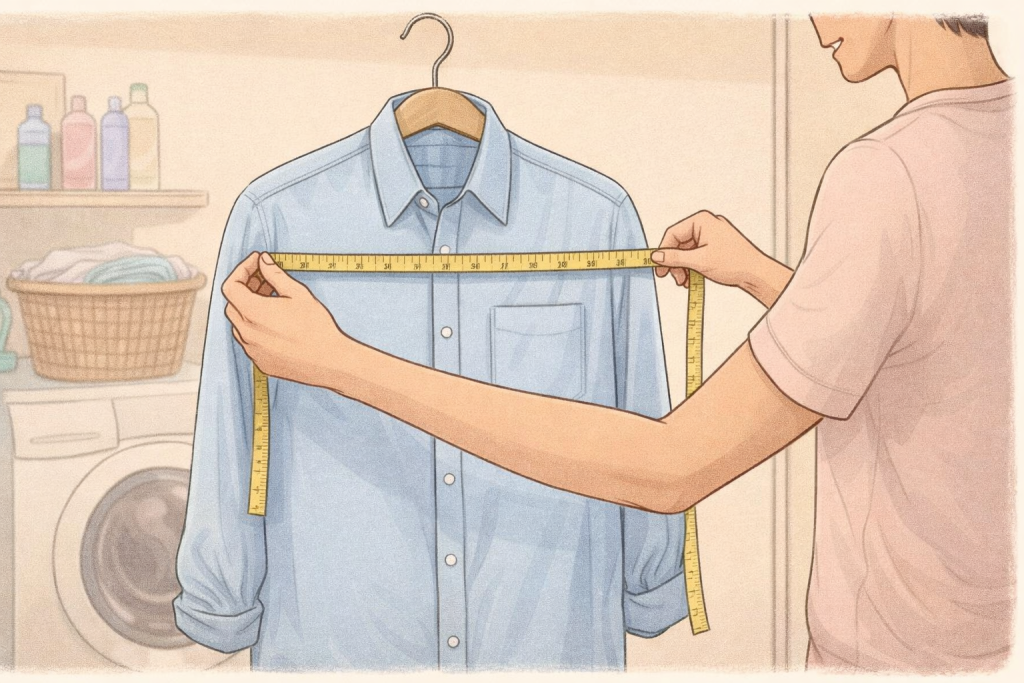
You know that sinking feeling. You pull a top out of the wash, and it looks like it belongs to a smaller human. If you need to unshrink clothes, start calmly, because the first 30 seconds can decide whether you can unshrink clothes safely or make the shrinkage permanent.
We see this all the time at Glint Express in North Finchley and Notting Hill. Some items bounce back nicely. Others do not. The trick is knowing which situation you are in, fast, and then choosing the gentlest fix that still works.
Background and context
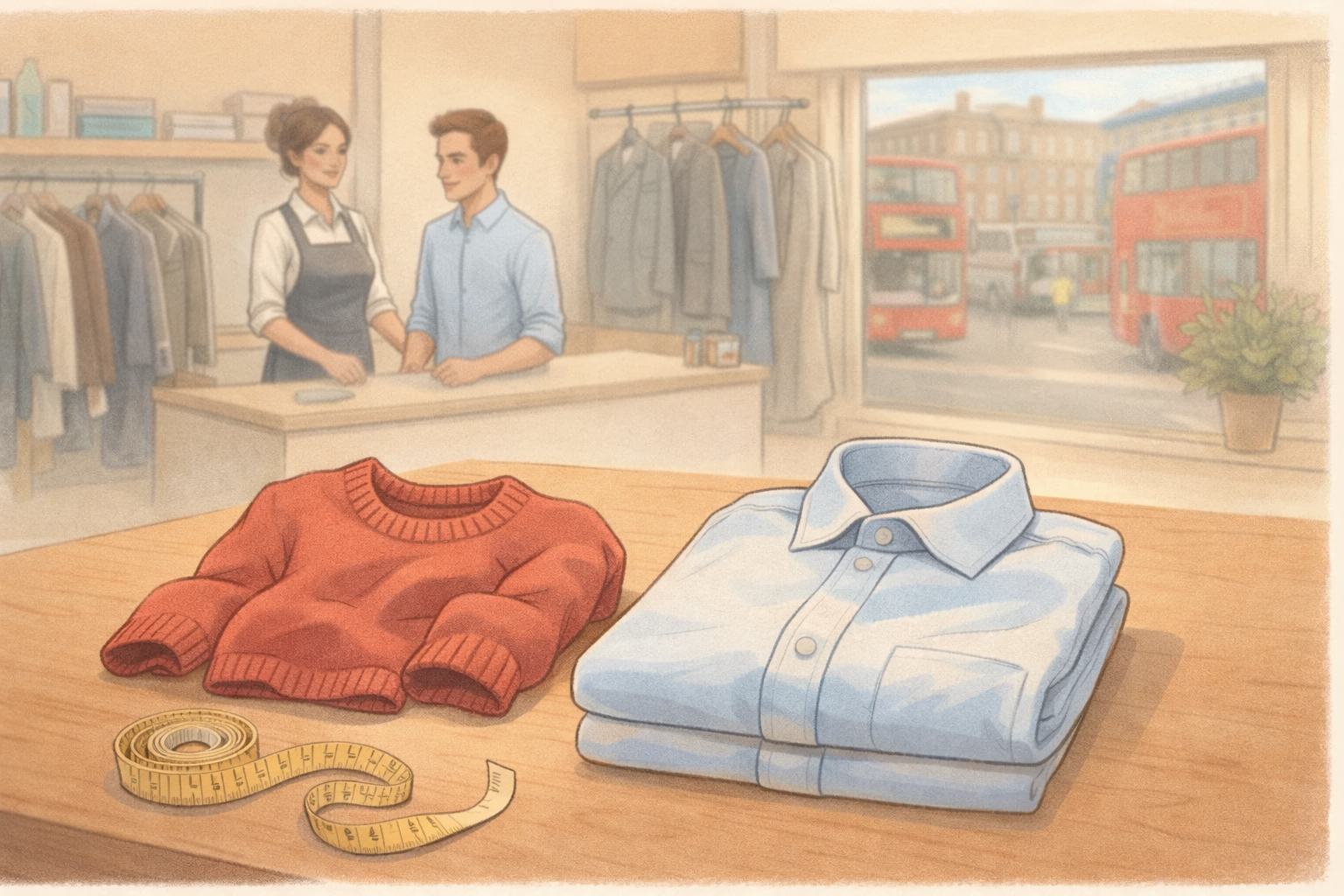
A regular popped into our Notting Hill shop with a shrunken merino jumper and a cotton work shirt that now sat like a crop top. Same wash, same tumble dry, same panic. The aim was not perfection, it was “Can I wear these again without looking daft?” If you want to unshrink clothes without wrecking them, you need to identify the fabric and the type of shrinkage first.
Here is the 30-second check we use at the counter to unshrink clothes with the least risk.
- What fabric is it? Wool, cotton, synthetics, or a blend.
- How bad is it? One size down is often recoverable. Two sizes down is usually a salvage job.
- What does it feel like now? If wool feels thick, stiff, and slightly matted, that is felting territory.
One big warning: do not tumble dry it again (yet). Heat works like pouring concrete. While fibres are hot and stressed, they “set” into the smaller shape and you lose your best chance to recover size.
If it is sentimental, expensive, or part of a matching set (suit, uniform, twinset), pause. Trying three random TikTok hacks can turn a fixable item into a permanent write-off.
The challenge
Most people think shrinkage is one problem. It is actually two different problems that look the same on your drying rack. To unshrink clothes properly, you need to know which one you are dealing with.
First, there is relaxed fibre shrinkage. Think of cotton fibres like slightly stretched elastic bands. Heat and agitation let them relax, so the garment tightens up. You can often ease it back, which is why many people can unshrink clothes made from cotton.
Second, there is wool felting shrinkage. Think of wool like tiny scales on a pine cone. Add heat, water, and rubbing, and those scales lock together. Once that happens, you cannot simply stretch it back without damaging the knit, even if you are trying to unshrink clothes carefully.
Blends make this messier. A cotton-poly tee might shrink a bit, but the polyester content will not “give” much. Textile Exchange reports polyester remains the dominant fibre globally (over half of total fibre production), which is why so many modern garments do not bounce back the way older, mostly-natural pieces sometimes do (Textile Exchange Materials Market Report, via their reports hub).
What was at stake for our customer was simple: a jumper that cost real money, and a shirt needed for work. The wrong move (usually more heat) would lock in the damage.
The approach
If you want the safest home method to unshrink clothes, you are aiming for two things, in order: soften the fibres, then reshape them while they are relaxed. This is the bit people rush. If your goal is to unshrink clothes at home, slow and gentle beats fast and forceful.
The 20-minute soak and reshape
This works similarly to loosening a tight knot before you pull it apart. You are not yanking, you are persuading. This is one of the safest ways to unshrink clothes when the fibres have simply tightened.
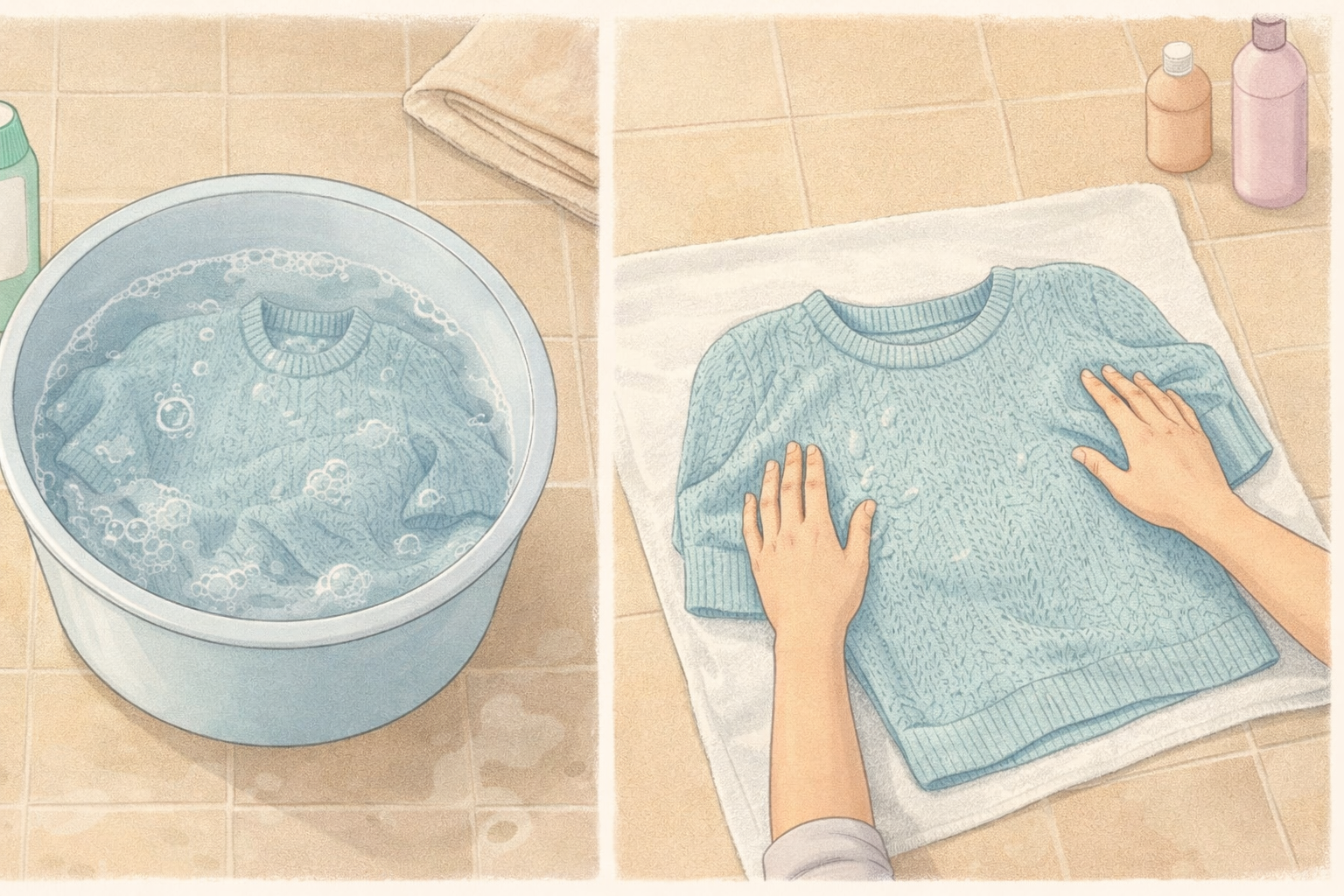
- Fill a basin with lukewarm water (not hot, not cold).
- Add a small amount of hair conditioner (about 1 tablespoon per litre) or baby shampoo.
- Submerge the item for 10 to 15 minutes.
- Lift it out and press water out gently. Do not wring.
- Lay it flat on a towel, then reshape it gradually.
This is where “hair conditioner unshrink clothes” tips come from. Conditioner helps fibres slide a little easier, so you can coax shape back without stressing seams.
Stretch without wrecking seams
Most damage happens at the edges. People grab cuffs and yank, then wonder why the stitching pops or the ribbing waves.
Use these rules instead:
- Work from the middle out, not from cuffs and hems.
- Stretch in small passes (2 to 3 cm at a time), then smooth.
- Match left and right (sleeves, shoulders) so you do not twist the garment.
- If there is a print, avoid pulling directly across it. Prints can crack when overstretched.
If you are trying to unshrink clothes that are knitted, support the fabric with your palms like you are flattening pastry. Fingers create pressure points.
Dry it properly (this matters more than you think)
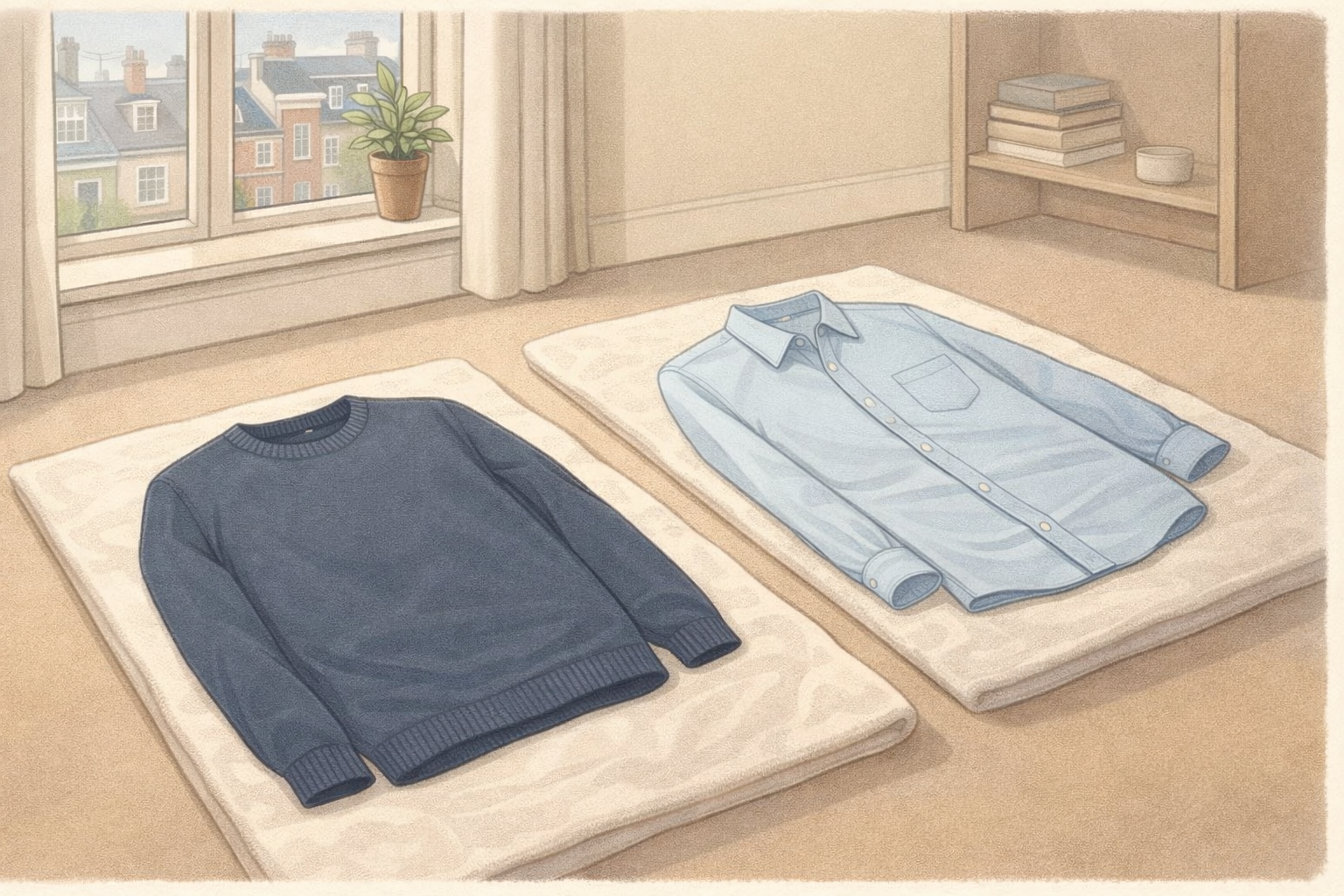
Drying is where people accidentally re-shrink the item. If you want to unshrink clothes and keep the gains, drying is not optional, it is the final step.
- Roll the garment inside a towel like a Swiss roll to remove moisture.
- Lay it flat to dry on a fresh towel.
- Keep it away from radiators and direct sunlight.
According to the UK Government’s guidance on cutting household energy bills, washing at 30°C and reducing tumble drying helps lower energy use (and it is usually kinder to clothes too) (see UK Government guidance).
Unshrink clothes by fabric type
You will get better results if you treat the fabric like the material it is, not like a generic “top”. Here is what we see working in real life. Use this section to unshrink clothes based on what they are actually made from.
Wool and cashmere
If the knit still looks like individual loops, you have got a chance. If it looks matted and thicker, felting has started.
- For a how to unshrink wool jumper attempt, use the lukewarm soak method above, then reshape gently.
- Stop if the fabric feels stiff and will not move without force. Forcing it can tear fibres and leave shiny, stretched patches.
Insider tip: the goal is not to return it to the exact original measurements. Aim for “wearable again”, like getting sleeve length and chest comfort back.
Cotton and denim
Cotton often responds to steam plus careful reshaping.
- To fix a shrunken cotton shirt, lightly steam it (a handheld steamer works), then pull and smooth it back on a flat surface.
- Focus on high-impact areas: collar-to-hem length, shoulder width, sleeve length.
Common mistake: people overstretch width and end up with a boxy shirt but still-short sleeves. Measure against a similar shirt you like, then match those points.
Synthetics and elastane blends
Polyester, nylon, and elastane do not relax the same way. They can distort, but they rarely “re-grow” much.
If your item is a fitted dress or gym kit with lots of elastane, your best move is often to stop early and consider alterations instead of trying to brute-force an unshrinking. In other words, you can sometimes unshrink clothes slightly, but you should expect limited recovery.
If it will not unshrink
Sometimes the smartest win is making the item useful again. That is not defeat, it is wardrobe triage. If you cannot unshrink clothes after one careful attempt, switch from stretching to salvage.
WRAP’s Textiles 2030 work highlights the UK push towards reuse and repair to cut textile waste (see WRAP’s Textiles 2030 hub). In plain terms, keeping one jumper in use beats binning it and buying another.
Here are the options that actually look good.
- Alterations that make sense: shortening sleeves neatly, turning trousers into tailored shorts, adjusting side seams, replacing shrunken waistbands.
- Add panels: on some knits and kidswear, a side panel can look intentional.
- Let out seams: only if there is seam allowance, and only if the fabric has not distorted badly.
If the fit is beyond saving, repurpose it:
- Loungewear or “around the house” layers.
- Kidswear (adult jumpers often become great kids jumpers with a tidy hem).
- Cushion covers or tote bags.
- Cleaning cloths for non-delicate jobs.
Be blunt with yourself on replacement. If you will spend two hours wrestling it and still avoid wearing it, you are better off replacing and learning the prevention habits below.
How to stop shrinkage next time
Most shrink disasters start with one of three habits: washing too hot, spinning too hard, or drying too aggressively. Prevention is also the easiest way to avoid having to unshrink clothes again.
Start with the label. The care label washing symbols UK shoppers see are boring, but they are basically a traffic-light system for risk. Focus on these:
- Wash temperature (30°C vs 40°C makes a real difference)
- Tumble dry symbol (dots show heat level)
- Do not tumble dry (ignore this and you are gambling)
Easy changes for busy households:
- Use a cold or 30°C wash for most everyday loads.
- Choose a gentler cycle for knits and anything you would hate to replace.
- Use mesh bags for delicate tops and jumpers.
Drying rules that work:
- Line dry where you can.
- If you must tumble dry, use low heat and remove items slightly damp.
This ties into smell too. Overdrying can bake odours into fibres, so if that has been an issue, our piece on getting rid of musty clothes smell is worth a look.
If you are also dealing with stubborn marks after a laundry mishap, see our guide to removing stains from clothes for safe next steps.
Need a hand in North Finchley or Notting Hill? We can help
If you have tried the gentle method and the item still looks wrong, that is usually the moment to stop. You cannot always fully reverse shrinkage, but you can often make the garment sit properly again. If you have tried to unshrink clothes once and the fabric is fighting you, professional help can prevent further damage.
What we can do in-store:
- Professional cleaning where needed (especially for wool and structured items)
- Careful pressing and reshaping (reblocking-style handling for knits)
- Alterations to rescue fit (shorten, taper, adjust, and tidy finishes)
Bring the item, and if it is part of a set, bring the matching piece too. Tell us what happened (wash temp, tumble dry, how long). That detail saves time and helps us choose a safer process.
If you are curious about the difference a proper press makes compared to home ironing, we broke it down in our pressing vs ironing guide. It explains why some “fixed” items look crisp again, and others still look stressed.
We also do dry cleaning, wash & fold, wash & press, ironing, alterations, and self-service laundry, handy if you just want the weekly pile gone without drama.
The results
For our customer, the cotton shirt recovered enough length and sleeve comfort to wear to work again. The merino jumper did not return to its exact original size, but it went from “unwearable” to “fits like it shrank half a size”, which is a win in real life.
The biggest measurable outcome was not centimetres, it was avoided regret. They did not re-tumble dry in panic, and they did not stretch the neckline into a bacon wave.
If you take one thing from this, make it this: the best chance to unshrink clothes comes from doing less, not more. Gentle soak, gentle reshape, gentle dry. Heat and force feel productive, but they usually lock in the problem.
Lessons learned
Most shrinkage fixes fail because people treat every fabric the same. Think of it like cooking. You would not boil a steak like pasta, so do not treat wool like cotton. When you unshrink clothes, match the method to the fibre.
Use this quick decision guide:
- Wool feels soft and looped: try the conditioner soak to unshrink clothes gently.
- Wool feels stiff and matted: stop, felting has likely set in.
- Cotton feels tight but normal: use steam and measured reshaping.
- Synthetics feel smaller: expect limited recovery, consider alterations.
One surprising truth from the shop floor: plenty of “shrinkage” is actually poor drying posture. A jumper dried hanging from the shoulders can shorten and widen in weird ways, even without high heat.
If you are dealing with colour issues alongside shrinkage (black tees often get hit twice), our tips on stopping black clothes fading in London can help you avoid that double heartbreak.
Frequently asked questions
Can you unshrink clothes that have been tumble dried?
Sometimes, yes, but your odds drop fast. Tumble drying adds heat plus agitation, which is the exact combo that locks shrinkage in. Try the lukewarm soak and reshape once, then stop if you have to force it.
Does hair conditioner really unshrink a wool jumper?
It can help, as long as the wool has not felted. Conditioner does not “reverse” shrinkage like magic. It just lubricates fibres so you can reshape with less stress. If felting has happened, you will get minimal movement.
How do I unshrink a cotton shirt without stretching it out of shape?
Measure against a similar shirt first, then stretch only to those points. Steam helps. Pull length back at the placket and side seams, not by yanking the hem. This is the safest way to unshrink clothes without ending up with a wide, floppy body.
When is shrinkage permanent (felting) and not fixable?
If wool looks matted, feels thicker, and will not move under gentle tension, felting has likely happened. That is fibre lock-in, not simple shrink. At that stage, aim for alterations or repurposing.
Is it worth taking a shrunken item to a dry cleaner or tailor?
If it is wool, cashmere, structured, expensive, or sentimental, yes. We can assess whether reshaping and pressing will help, and if not, we can talk alterations that look intentional rather than “patched”.
Want us to take a look? Pop into Glint Express and we will tell you honestly whether it is worth saving.
North Finchley: 9 Halliwick Court Parade, Woodhouse Road, London N12 0NB | 020 3376 2060 | nfinchley@glintexpress.co.uk
Notting Hill: 341 Ladbroke Grove, London W10 6HA | 0745 030 2088 | NottingHill@glintexpress.co.uk
Conclusion
If you have just shrunk something, do not panic-dry it again. Your best shot to unshrink clothes is a gentle lukewarm soak, careful reshaping, and flat drying away from heat. If it is wool and it feels matted, stop early and save the garment with pressing and alterations instead of tearing it out of shape.
If you are near North Finchley or Notting Hill, bring the item in and tell us what happened. We will give you a straight answer, try safe professional reshaping where it makes sense, and offer alteration options if it will not fully recover. Drop in today and we will help you rescue it.