How to Choose a Dry Cleaner You Can Actually Trust
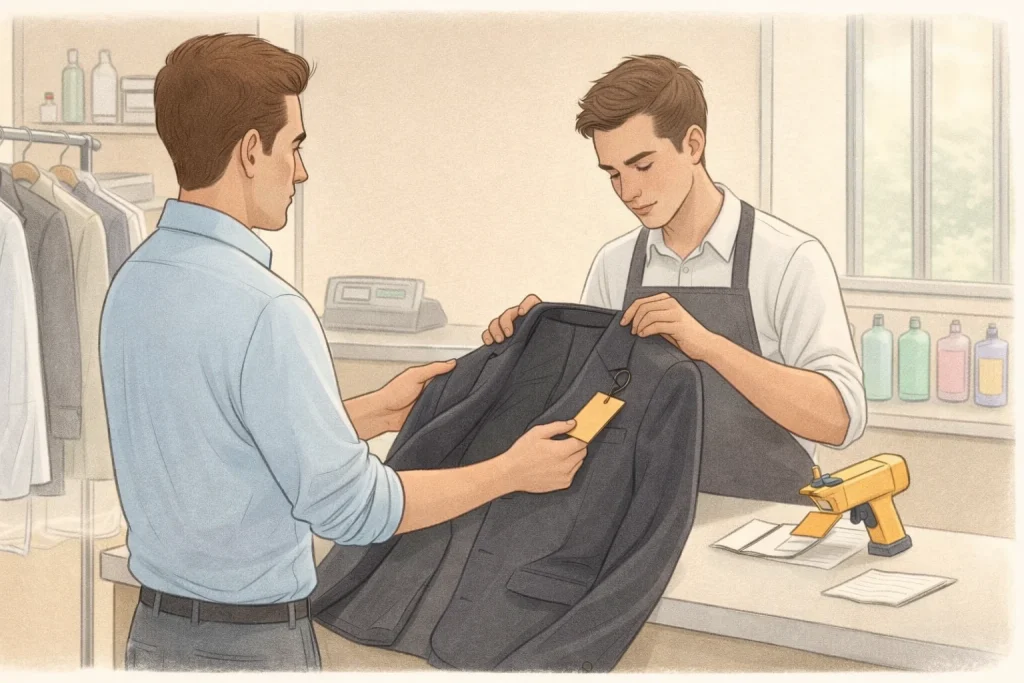
You’re handing over something you like wearing, or something you’ve paid serious money for, to a stranger you’ve never met. That’s why reliable dry cleaning is a trust purchase, not a convenience purchase. You can’t watch the work, you can’t see the pressing station, and you only find out if they’re careful once the garment comes back.
The good news is you can reduce the risk before you hand anything over. In practice, the careful operators leave signals everywhere: clear prices, a traceable tagging system, calm answers to awkward questions, and turnaround promises that sound realistic rather than flattering.
The current state
Service pricing has been jumpy across the UK, and cleaning is no exception. According to the ONS inflation and price indices, inflation has remained a live issue across 2024 to 2026, which is exactly why transparent price lists matter more than ever when you’re choosing reliable dry cleaning. If a cleaner can’t tell you what you’ll pay until collection, you’re basically signing a blank cheque.
What’s changing is the way better shops handle expectations. Instead of “yeah, same day” for everything, you’ll hear more nuance around fabric type, trims, and specialist items. You’ll also see more shops publishing prices online because customers want to compare before they travel, which is a practical marker of dependable garment care.
If you want a quick mental model of what actually happens behind the counter, Glint Express has a plain-English walkthrough of the dry cleaning process that’s worth five minutes. It’ll also help you ask smarter questions at drop-off.
Why dry cleaning feels risky
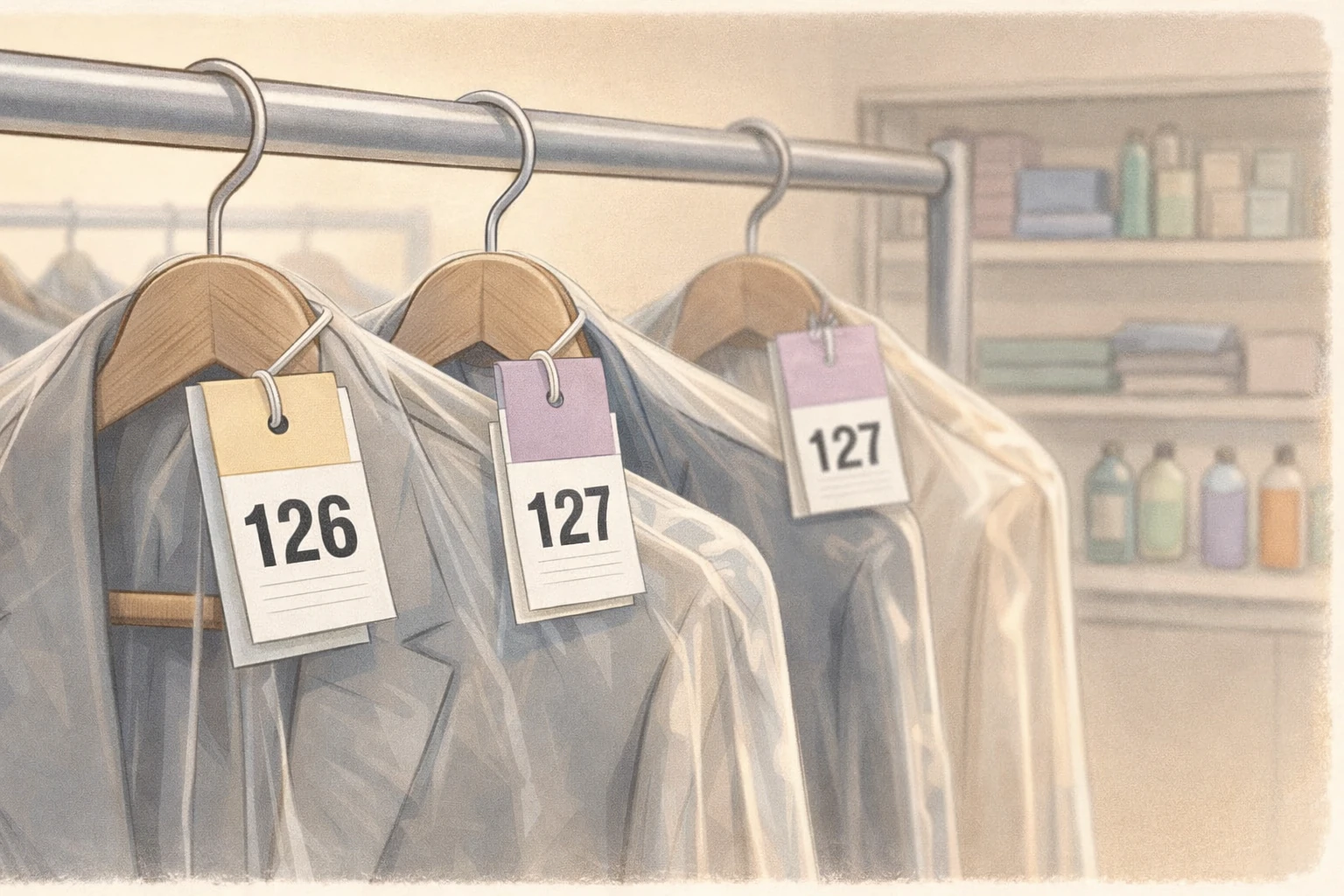
Most people think the risk is “will it come back clean?”. In reality, the bigger risk is that nobody notices a weak seam, a cracked button, a worn lining, or dye instability until the garment has been processed and pressed, which is exactly where reliable dry cleaning earns its reputation.
What we’re seeing is a split between shops that run like a production line, and shops that run like a controlled workflow. The second group does three things well: they keep paperwork tight (tagging, tickets, notes), they control heat and finishing, and they don’t guess, all of which are foundations of consistent, careful cleaning.
If you’re trying to work out what to look for in a dry cleaner, focus on what’s verifiable. You can’t test their solvent, but you can see whether they tag properly, whether they inspect, and whether they’ll put anything in writing.
Questions to ask for reliable dry cleaning
If you feel awkward asking questions at the counter, flip it around. A professional cleaner prefers a customer who communicates, because it reduces disputes and call-backs, and it’s one of the simplest ways to secure reliable dry cleaning.
Here are the three questions I’d ask every time, even for a “simple” suit.
Do you clean here or send out?
Neither answer is wrong. Sending out can mean better equipment and capacity, while on-site can mean faster turnaround.
What matters is accountability. A good answer sounds like, “We do X here, Y goes to our partner, and if there’s an issue you come back to us and we handle it.” If they won’t answer at all, that’s the problem.
What happens if it’s damaged or lost?
You want calm, specific, and boring. The best operators have heard this question a thousand times and don’t take offence, because a trustworthy service includes clear responsibility when something goes wrong.
Vagueness here is the single biggest warning sign in this whole checklist. Under UK consumer law, you’re entitled to services carried out with reasonable care and skill. The UK Government consumer rights guidance lays out the basics, and Which? also explains practical next steps for complaints under the Consumer Rights Act at Which? consumer rights.
Are prices published, and is it per item?
A cleaner who can’t tell you the price before taking the garment is asking you to trust them blindly.
You don’t need the cheapest. You need clarity. If they price per item, they should be able to quote you at the counter, then put it on the ticket.
More questions that reveal care
Here’s the bit most people miss. Plenty of shops can run a garment through a machine, but finishing and decision-making separate careful work from careless work, and that difference is what makes reliable dry cleaning feel safe.
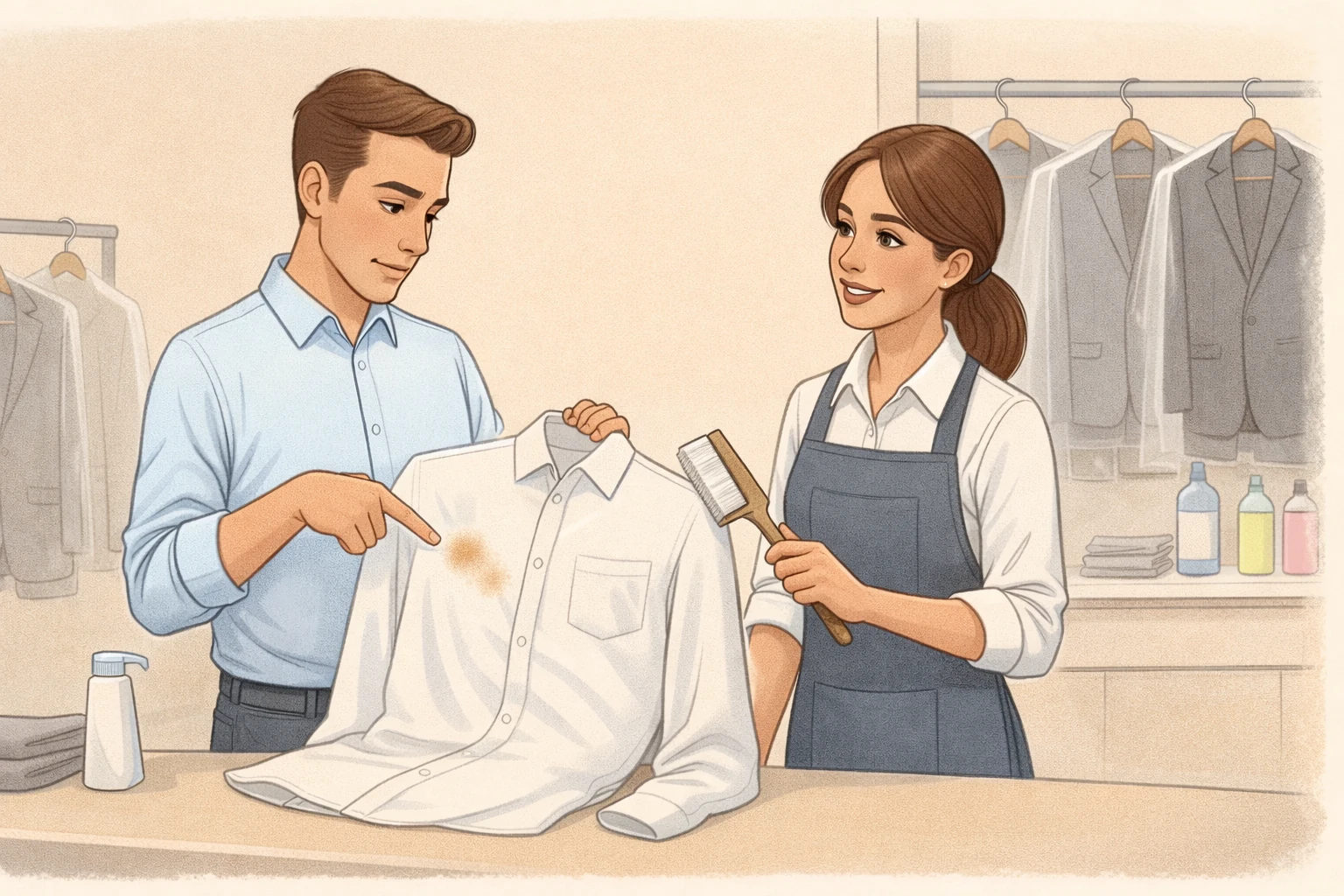
How will you treat this stain?
A decent counter person asks you what the stain is and how old it is. That’s not small talk.
In practice, solvent handles oils well, while water-based stains can be stubborn without pre-spotting. If nobody asks anything and they just take the item, you’re gambling with heat setting the mark during finishing. If you want an example of how specific stain handling gets, have a look at Glint’s piece on removing sunscreen stains and you’ll see why “we’ll sort it” isn’t a plan.
What’s the realistic turnaround?
You’re looking for a promise with a safety valve. “Most items are ready next day, but if we find X we’ll call you” is a good sign, and it’s a hallmark of reliable dry cleaning.
The sector has been moving towards more honest lead times because customers hate surprises more than they hate waiting. If it slips, ask what happens, do they phone, do they text, do they note it on the ticket.
Do you do alterations and repairs?
This sounds unrelated, but it’s a strong signal. A shop that can handle small repairs usually has a better eye for garments, which supports consistent garment care because issues get spotted before they become damage.
It also saves you a second trip for the classic stuff: loose buttons, fallen hems, sticky zips.
Warning signs before you risk anything
You can spot most problems in 60 seconds, standing in the shop. If you want reliable dry cleaning, these are the red flags that matter.
- No published prices anywhere. If the price appears only at collection time, you’ve lost control of the decision.
- Everything promised same day. A cotton shirt is one thing. Leather, suede, and down are different trades, and anyone pretending otherwise is selling you a fairy tale.
- No visible tagging system. If your item goes straight onto a rail unlabelled, that’s how garments get mixed up.
If you’re trying to choose between two shops, pick the one that behaves like it expects to be questioned. That’s usually the one that’s confident in its process.
Warning signs inside the shop
This is where “cheap and cheerful” becomes “cheap and costly”, and where reliable dry cleaning is easiest to tell apart from a rushed service.
If nobody asks a single question about the stain, fabric, or how the mark happened, you’re not getting a tailored approach. You’re getting a standard run, and you’ll find out later whether that was wise.
Look at the rails. If finished garments are packed so tightly they’re crushed, the pressing you’ve paid for won’t survive. A good finish needs space, otherwise you get shiny lapels, flattened nap, and creases in the wrong places.
Watch what they do with plastic covers. They’re for transport home, not storage. Leaving clothes sealed traps moisture and can cause musty odours, especially in UK flats. There’s more on this in Glint’s practical piece on how to store a suit properly.
What a trustworthy dry cleaner does
A trustworthy dry cleaner protects you and themselves, and they don’t rely on charm. You’ll feel the difference in the first minute, and these behaviours are the backbone of reliable dry cleaning.
They inspect with you
They’ll point out existing damage before accepting the item, things like a worn cuff, loose lining, or missing bead. That protects both sides.
If they never look up from the till, you’re more likely to end up in a “that was already there” argument later.
They sometimes tell you not to dry clean
This is the insider tell. A cleaner worth keeping won’t dry clean everything just because you asked, and that judgement is part of careful, consistent cleaning.
A cotton shirt often does better with wash and press than solvent cleaning, and it usually costs less. By contrast, a suit is a classic candidate for solvent because of structure and interlinings. To show the difference, Glint Express publishes examples like a shirt dry cleaned at £7.20 versus a two-piece suit at £14.50. Those numbers aren’t the point, the decision-making is.
They quote specialist items after inspection
Leather, suede, and down filled jackets vary wildly by finish, trims, and condition. A blanket price is usually a guess.
If you’re dealing with leather, it’s worth reading a specialist-first checklist like what to do before leather cleaning because one wrong home “fix” can make professional cleaning harder.
They publish prices you can compare
The sector is slowly catching up with what customers expect: price transparency online, which supports reliable dry cleaning because it reduces surprises.
If you want to see what a proper published list looks like and what should be included, Glint breaks it down in this dry cleaning prices explainer.
Test a new cleaner safely
If you’ve been burned before, don’t start with your wedding outfit or your favourite coat. Start with something ordinary and repeatable.
Here’s the low-risk routine I recommend for choosing reliable dry cleaning without guessing.
- Pick one low-stakes item. A work shirt or a pair of trousers is ideal.
- Take quick photos at drop-off. Focus on existing wear, buttons, hems, and any stain.
- Ask one stain question even if it’s minor. You’re testing their process, not just the outcome.
- Keep the ticket and check it. It should match your item and note anything agreed.
When it comes back, check the finish like a fussy tailor would. Creases should be sharp and in the right place, buttons should be intact, and it shouldn’t smell strongly of anything. If they discussed a stain with you, they should also tell you what happened, whether it lifted fully, partly, or not at all.
Practical recommendations
If you want a quick checklist you can use today, this is it for reliable dry cleaning.
- Ask the “send out or on-site” question. You’re listening for accountability and realistic lead times.
- Get clarity on damage and loss. A calm answer signals a professional operation, and it aligns with consumer protections.
- Insist on pricing before they take the item. If you can’t get an upfront figure, walk away.
- Read the care label. Garment care labels UK standards exist for a reason, and a good cleaner will respect them while still using judgement.
- Avoid storing items in plastic. Transport home, then breathe and hang properly.
One contrarian tip from the counter: don’t judge quality by how “posh” the shop looks. Some of the best finishers I know work in plain units with strict systems, while some glossy fronts run chaotic back rails.
How Glint Express measures up
If you’re comparing against the checklist above, here’s the fact-based scorecard for reliable dry cleaning.
Glint Express publishes full price lists online for both branches, which makes comparison simple. You can see the live lists for North Finchley pricing and Notting Hill pricing before you travel, rather than guessing at the counter.
On turnaround, its stated timings are that most orders are ready within 24 hours, and dry cleaning is 48 hours, or same day if dropped off before noon. It offers dry cleaning, wash and press, pressing only, service wash, alterations and repairs, and a self-service laundrette (card, coin and contactless). Specialist items like leather, suede and down filled jackets get quoted after inspection rather than a blanket price, and customer ratings are published on the branch pages.
For more background before you choose a service, you can also read Glint’s guide to dry cleaning prices and their overview of the dry cleaning process.
If you’re deciding between services, it can also help to compare options on the site, such as wash and press versus alterations and repairs, so you book the right treatment for the garment.
If you want a local version
Sometimes a neighbourhood recommendation does help. Parking, opening hours, drop-off routines, and whether you can actually fit it into your commute all matter.
If that’s what you’re after, Glint has a North Finchley-specific piece that covers the local angle here: best dry cleaner in North Finchley. Just don’t skip the questions in this article, because the same warning signs apply anywhere in the UK, even when you think you’ve found a dependable cleaner.
Frequently asked questions
How do I know if a dry cleaner offers reliable dry cleaning before I try them?
You’re looking for verifiable signals: published per-item pricing, a visible tagging system, and calm answers about damage or loss. Ask how they’ll treat your specific stain, and see if they ask follow-up questions. If they won’t discuss process or price upfront, don’t risk it.
Is a more expensive dry cleaner always better?
No. Higher prices can reflect rent, staffing, and workload, not automatically better finishing.
A mid-priced shop can be just as trustworthy if it inspects garments properly, tags everything, and sets realistic turnaround times. Pay for systems and care, not for glossy branding.
What should I do if a cleaner damages or loses my items?
Raise it immediately and keep it factual. Take photos, keep the ticket, and ask for the issue to be recorded in writing.
If you can’t resolve it, follow the steps set out in the UK Government consumer rights guidance and use Which?’s templates and advice at Which? consumer rights. You’re arguing “reasonable care and skill”, not having a row.
Is it worth sticking with the same dry cleaner every time?
Yes, if they’re good. Repeat custom means they learn your preferences, your garments, and your tolerances for finish.
You also build a paper trail. If anything ever goes wrong, a history of sensible, consistent service makes resolution easier.
Should I dry clean everything that says “dry clean only”?
Not always. Some “dry clean only” labels are conservative, especially on simpler garments.
A good operator will sometimes recommend wash and press instead, particularly for cotton shirts. If you’re tempted to do it yourself, read a risk checklist like washing dry clean items at home before you experiment.
If you want reliable dry cleaning, treat it like hiring a tradesperson. Ask direct questions, look for traceability, and test with something low-stakes before you hand over the irreplaceable stuff.
If you’d like a second opinion on a quote or a tricky garment, pop into Glint Express and ask the awkward questions. You’ll be able to see the published pricing, compare services like wash and press versus solvent cleaning, and get specialist items quoted after inspection rather than guesswork.