Dry Cleaning: Real Process Explained for Londoners
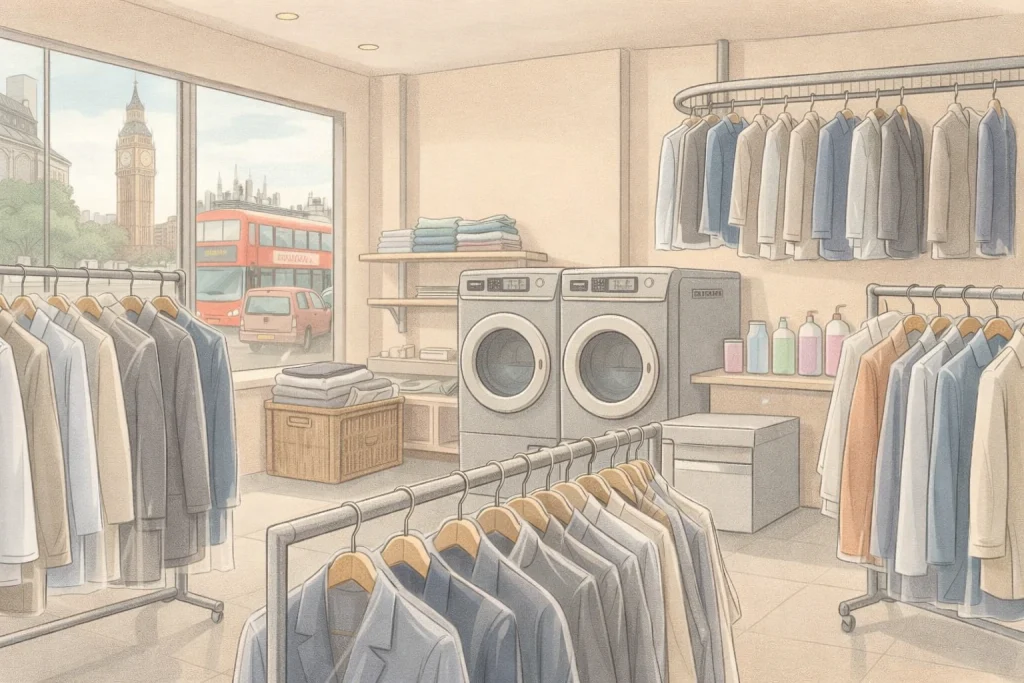
What is dry cleaning (and why it isn’t actually “dry”)
Dry cleaning is often described as a way to clean clothes without water, and that is the key idea to remember. Despite the name, this solvent-based method is not truly “dry” because garments are cleaned in a liquid solvent rather than water.
So why avoid water at all? Some fabrics and constructions react badly to traditional washing. Wool can felt and lose its crisp finish, silk can dull or watermark, and structured pieces (like tailored jackets) can distort when the internal canvassing and padding absorb water. Solvent-based care is designed to lift oils, body grease, makeup, and traffic marks while helping garments keep their shape.
It also helps to understand what you are paying for. The cleaning step is only part of the service. The real value often sits in careful inspection, stain treatment, controlled machine cycles, and professional finishing that restores the garment’s drape and structure.

How does dry cleaning work? The process explained step by step
Dry cleaning follows a controlled workflow that protects delicate fibres and structured garments. A reputable cleaner will also document issues and set expectations before anything goes into a machine.
Inspection and tagging: Each item is checked for loose trims, missing buttons, weakened seams, colour loss, and existing marks. Items are tagged so nothing gets mixed up, especially when multiple customers have similar pieces.
Pre-spotting (stain pre-treatment): This is where a lot of the results are won or lost in dry cleaning. Stains are assessed and treated by hand using appropriate agents and techniques. If you are dealing with something stubborn, our internal guide on stain removal can help you identify what you are looking at: How to remove stains from clothes.
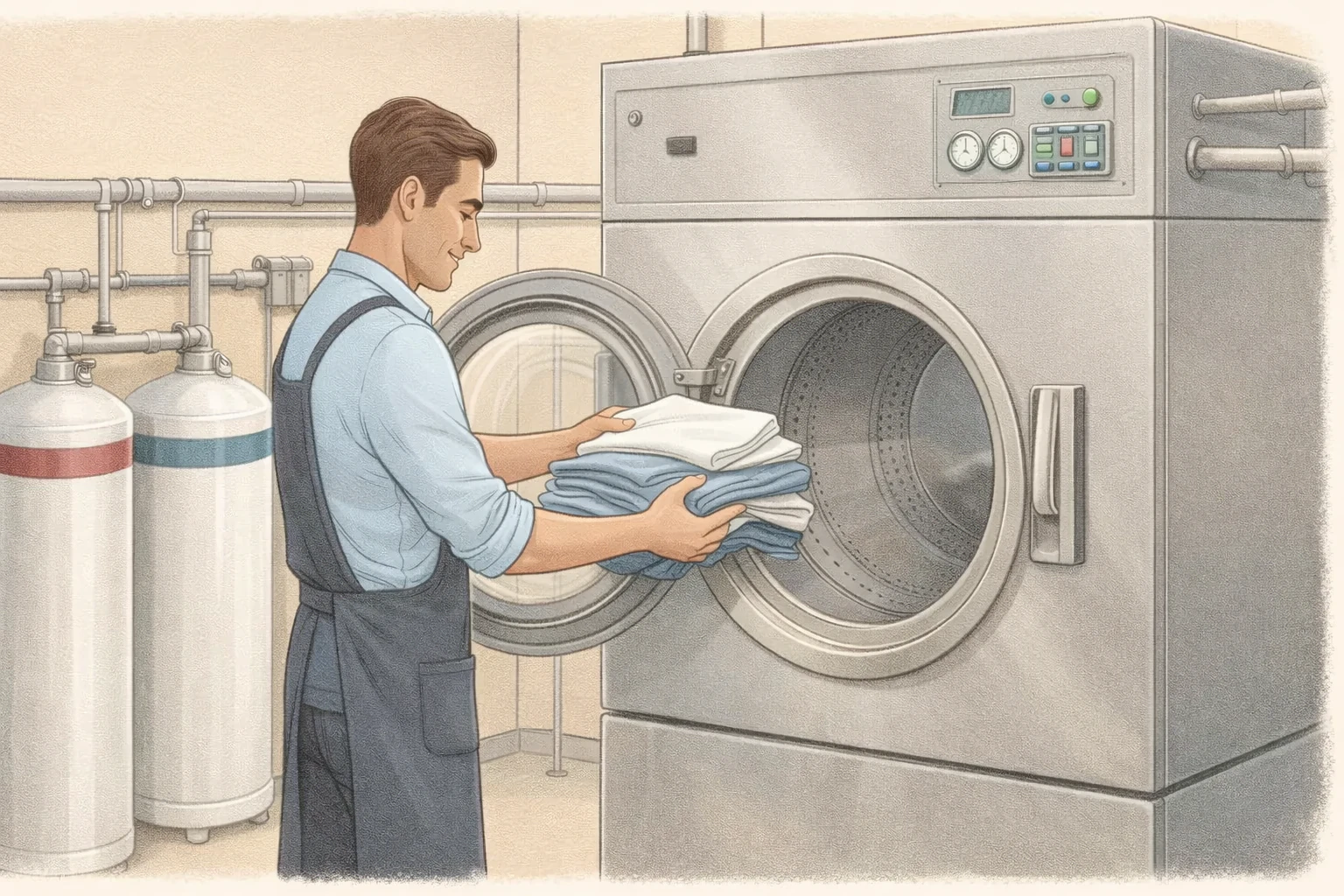
The cleaning cycle: Garments are placed in a specialised machine and cleaned in solvent with gentle agitation. The cycle time varies by load type and fabric, but it is typically around 10 to 15 minutes. Temperature and mechanical action are kept controlled to reduce stress on fibres.
Extraction and controlled drying: The solvent is spun out, then warm air circulates to dry items. Modern systems capture vapour so it can be recovered and reused, which improves efficiency and reduces waste.
Filtration and distillation: The solvent is filtered to remove soils and then distilled to maintain cleaning performance. This is one reason professional operators are strict about what can go into the machine and why “home hacks” can backfire.
Post-spotting: Any remaining marks are treated after the main cycle. Some stains only reveal themselves once oils have been removed, so this step matters.
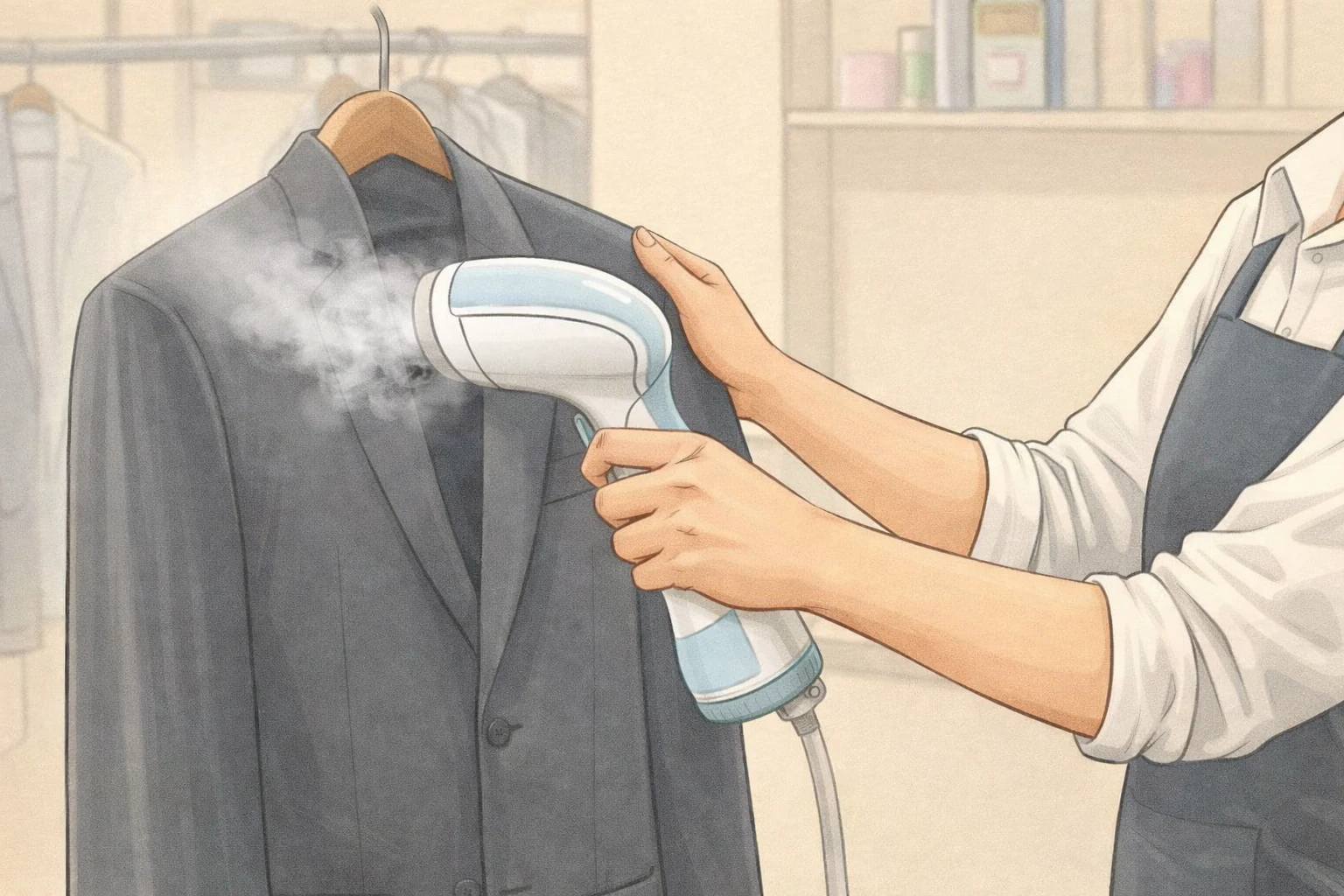
Finishing and shaping: Pressing is not just “ironing”. Steam, vacuum, and shaped forms are used to restore lapels, sleeves, trouser creases, and garment drape. This is where suits and coats regain their crisp lines.
Final check and packaging: Items are checked for missed stains, odours, or finishing issues, then packaged for collection or delivery.
The honest limitation: which stains dry cleaning struggles with (and what you must tell the counter)
Dry cleaning is excellent for oil-based soils (think cooking grease, sebum, makeup, and many street marks). Where this solvent-cleaning method can struggle is with water-based stains such as coffee, tea, red wine, fruit juice, and some dyes.
That does not mean these stains are impossible, but they often require targeted pre-treatment and sometimes a different approach entirely. The biggest risk is not telling the cleaner what happened. If a stain is unknown, it may be exposed to heat during drying and finishing, which can set it and make removal harder.
When you drop items off, share:
- What the stain is (or your best guess)
- How long it has been there
- Whether you tried anything at home (even just water)
- If the item has been previously cleaned since the stain occurred
This information helps the cleaner choose the safest and most effective treatment. It also helps them warn you if there is a realistic chance of a faint shadow remaining, which is sometimes the honest outcome with older stains.
What solvent do cleaners use? A calm, factual guide
Dry cleaning businesses use different solvents, and the choice affects cleaning performance, odour, and environmental controls. Traditional systems often used perchloroethylene (commonly called perc), while many operators now use alternatives such as hydrocarbon solvents, silicone-based systems, or liquid CO₂.
Each option has trade-offs. Perc is effective, particularly on oily soils, but it comes with strict handling and regulatory requirements. The UK Health Security Agency provides information on chemical hazards and safe handling expectations: UKHSA chemical hazards and poisons.
If you are unsure, simply ask your cleaner:
- Which solvent system they use for dry cleaning
- Whether they separate loads by colour and fabric type
- How they handle delicate trims, beads, and glued components
A transparent answer is usually a good sign of professional standards.
What actually needs dry cleaning vs what people send out of habit
Some garments genuinely benefit from dry cleaning because of their fabric, construction, or finish. Others are sent out simply because the care label looks intimidating.
Items that often suit solvent-based care include:
- Wool tailoring (suits, blazers, structured trousers)
- Silk (especially lined pieces or items prone to water marking)
- Structured jackets and coats with canvassing, shoulder pads, or fused components
- Delicate blends where water can cause distortion or texture change
Items that are often better laundered include:
- Cotton shirts (they typically look sharper after wash and press)
- Everyday cotton tops without structure
- Some synthetics that wash well and do not hold oily soils
Cost and outcome matter too. For example, a cotton shirt might cost around £7.20 with dry cleaning versus about £2.90 washed and pressed, and laundering is often the better choice for crispness and collar finish.
For bulky household items, the “right” answer depends on filling type, casing fabric, and size. If you are deciding what to do with bedding, our internal guide can help: Should I wash or dry clean my duvet?.
Dry cleaning vs laundry (and wash & fold): which service are you really choosing?
Dry cleaning and laundry solve different problems. Laundry uses water and detergent, which is ideal for sweat, salts, and many everyday soils. Wash & fold is convenient for casual items, but it is not designed to preserve structure or handle delicate finishes. Our side by side comparison of dry cleaning and laundry goes through the differences in detail.
Dry cleaning is often chosen for:
- Shape retention in tailored garments
- Oil and grease removal
- Reduced risk of shrinkage compared with water washing
- Gentler mechanical action for certain fabrics
Laundry is often chosen for:
- Shirts and everyday cottons
- Gym wear and items with sweat salts
- Regular weekly loads where convenience and cost matter
If you want a clearer breakdown of service types and what to book, our internal comparison is useful: Difference between wash & fold and dry cleaning.
What you’re paying for: finishing, structure and time (not just ‘getting it clean’)
Dry cleaning pricing is not only about removing dirt. Much of the cost sits in labour, expertise, and finishing equipment. A jumper priced at £8.50 or a suit at £14.50 typically includes: You can also check the live lists for North Finchley and Notting Hill.
- Skilled stain assessment and treatment
- Load separation by colour, fabric, and soil level
- Controlled machine cycles to protect fibres
- Professional pressing and shaping to restore drape and creases
- Quality checks to catch missed marks or finishing issues
Structured garments take longer because they require careful pressing of lapels, sleeves, trouser legs, and seams. Delicate trims, linings, and interfacings also demand slower handling.
If you want to understand typical costs by garment type and what influences them, see our internal breakdown: Dry cleaning prices.
FAQs about dry cleaning
Is dry cleaning actually dry, and does it shrink clothes?
Dry cleaning is not truly “dry” because a liquid solvent is used, but it avoids water. That usually reduces the risk of shrinkage and distortion, especially for wool and structured pieces. Shrinkage can still happen if a garment has been poorly made, previously damaged, or exposed to excessive heat.
Does it remove all stains, and how long does it take?
Dry cleaning is particularly strong on oily and greasy marks. Water-based stains may need extra pre-treatment and are not always fully removable if they are old or have been heat-set. In London, a typical turnaround is 24 to 48 hours, though same-day options may be available for simple items.
Is it safe to have items cleaned repeatedly?
Any cleaning method causes gradual wear over time, including dry cleaning. The best approach is to clean items when they need it, spot-treat promptly, and rotate garments so they can air between wears. For suits and coats, brushing and airing can extend the time between professional cleans.
Conclusion
Understanding dry cleaning helps you choose the right service, set realistic expectations for stain removal, and protect the shape and finish of your favourite garments. If you are unsure about a stain, a fabric, or whether an item should be solvent-cleaned or laundered, ask at the counter and share as much detail as possible. If you would like a second opinion, contact Glint Express and we will help you choose the safest care option for your wardrobe.