Does Dry Cleaning Fade and Damage Clothes?
You’re not paranoid for worrying about dry cleaning fade. This kind of colour dulling or slight change can show up as clothes coming back looking a touch flatter, a touch smaller, or just not quite right, and it’s usually because something happened slowly over time, or because a risk wasn’t spotted early.
On one hand, professional cleaning exists because it can be gentler than home washing for certain fabrics. While others argue any solvent cycle is “harsh”, the honest truth sits in the middle: the risks are real, but they’re also predictable, cumulative, and often preventable if you know what to ask.
Myth: One clean will fade it
Most people picture dry cleaning fade as colour draining out in a single visit, like a bad wash with the wrong detergent. That’s not how competent professional cleaning usually behaves.
The reality
Yes, colours can fade slightly over many cleans, but one competent clean shouldn’t create visible fading on its own. What actually adds up is the combination of agitation, the heat used to dry, and the heat and pressure used to finish and press. Each cycle can lift a tiny amount of dye and surface finish, which is how gradual colour loss builds over time.
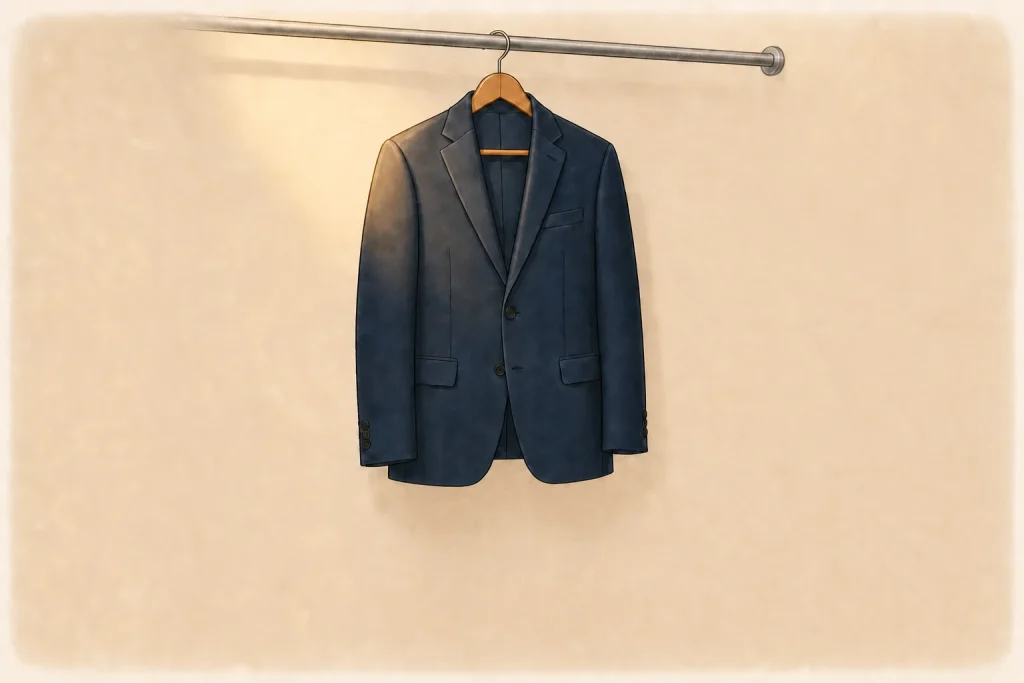
Dark colours show this first, especially black and navy wool. Our guide to caring for wool coats and jumpers covers the fabric side in more detail. You don’t notice “fading” as a pale patch, you notice the loss of depth, the fabric looks a bit less inky under daylight.
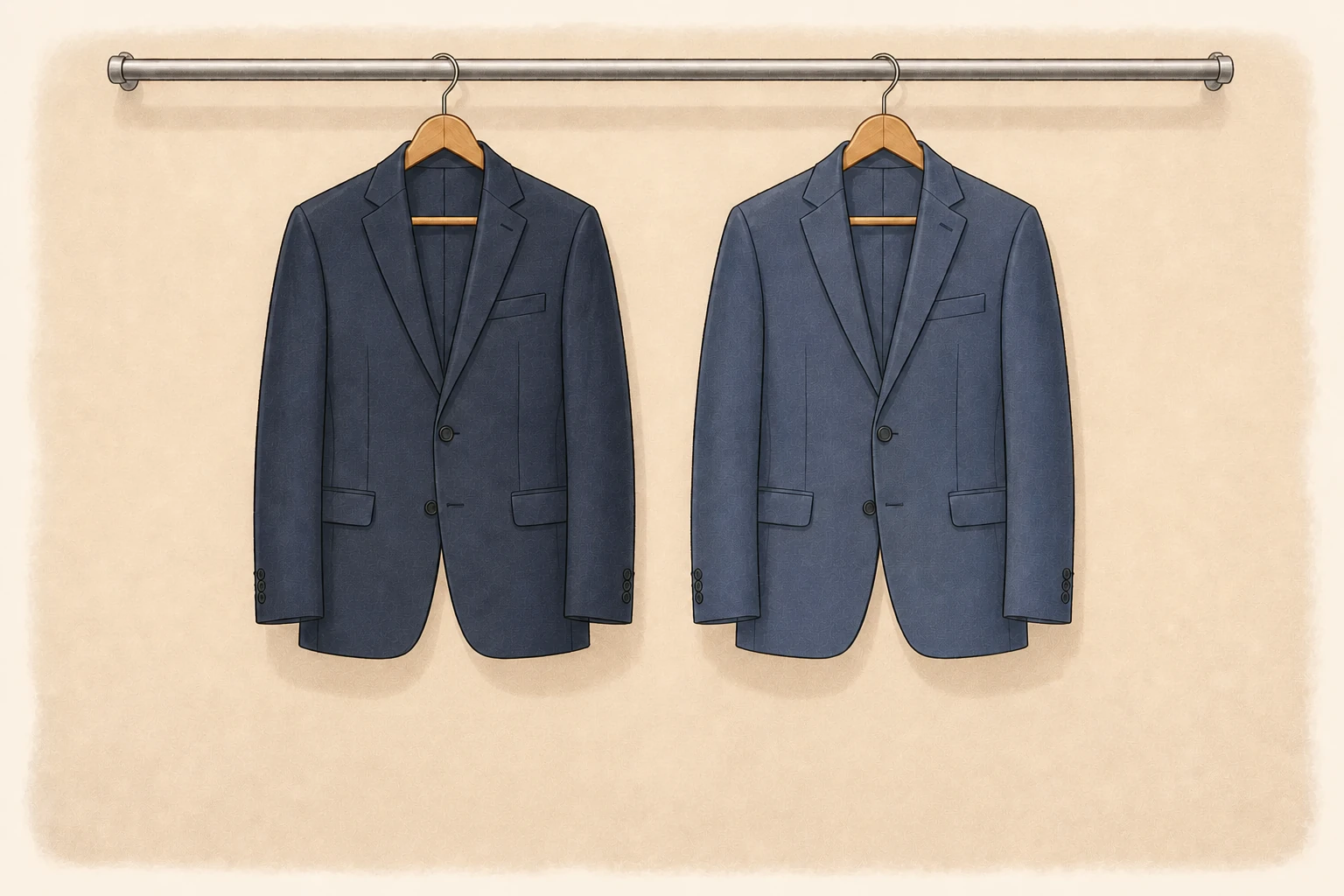
Here’s the surprising bit we see behind counters: the most common complaint isn’t overall fading at all. That is one of the signals in our guide to choosing a dry cleaner you can trust. It’s a two-piece suit where the jacket and trousers have been cleaned different numbers of times, so they drift apart in shade and stop looking like a set. We explain the cost and practical implications of that in our piece on dry clean a suit in London cost.
Myth: The cleaner caused the colour change
When dry cleaning fade is suspected after collection, it’s natural to blame the last person who touched it. Sometimes you’re right. Sometimes you’re blaming the messenger.
The reality
Colour shifts often get “discovered” after cleaning because pressing smooths the surface and changes how light reflects. A brushed wool can look deeper when it’s fluffy, then look slightly lighter when it’s pressed flatter, which can be mistaken for solvent-related fading.
Sunlight through a window and ordinary wear usually fade clothes faster than professional cleaning does. That’s awkward to hear, but it matters, especially if you store a navy suit near a bright window for months, then notice the change right after a clean.
If you want to understand the mechanics, not the marketing, it helps to know what happens step-by-step in the machine and finishing stages. We covered that plainly in how dry cleaning works in London.
Myth: Dry cleaning shrink is common
People use “shrink” as a catch-all for anything that feels tighter, and it often gets bundled in with worries about colour loss from solvent cleaning. The fibre science is more specific.
The reality
True shrinkage is less likely in solvent than in water. Water swells natural fibres, which is one reason wool and silk often go to a professional cleaner in the first place. Solvent doesn’t behave the same way, so the classic “wool jumper disaster” is more of a washing machine story.
That said, the exceptions matter. Heat during drying and pressing can shrink or distort some fabrics, and fused interlinings in cheaper tailoring can pucker or bubble. A garment that was never suitable for solvent in the first place can also react badly, care labels aren’t decoration.
One more twist: a lot of reported shrinkage is actually the opposite of what people think. The garment stretched out with wear, then pressing returns it closer to the original cut and size, so it feels smaller, even though it’s really been reset.
Myth: Repeated cleaning is always bad
Some people respond to fear by avoiding cleaning altogether, then wonder why a collar won’t brighten again, or why a coat smells “old”. The goal is to reduce unnecessary cycles without letting dirt do long-term damage, and that balance is key to limiting dry cleaning fade.
The reality
Yes, repeated cleaning shortens a garment’s life modestly. Every cycle involves handling, agitation, heat, and pressing, and none of that is free. Over time, those forces contribute to colour dulling and gradual wear.
But leaving a garment dirty is worse than cleaning it. Body oils and food soils oxidise and set into yellow or brown marks that won’t come out later, and soiling attracts moths because they feed on the residue, not “clean wool”. The Natural History Museum’s guidance on clothes moths is blunt about that, dirty natural fibres are the target, not your freshly cleaned knitwear (see Natural History Museum clothes moth advice).
A practical rule that beats any schedule: clean when it needs it. If it’s clean but creased, go for pressing only at £2.45 rather than putting it through a full cycle. If it’s washable, a wash and press at £2.90 beats dry cleaning a shirt at £7.20. That’s the simplest way to cut how often solvent ever touches your clothes, and we break down those choices in dry cleaning prices.
For a quick comparison of what can and cannot go through a solvent cycle, see our guide to dry cleaning in London.
If you are deciding between services for a specific item, our laundry service in London page also helps clarify when wash-and-press is the better option.

Myth: Damage is random and unavoidable
People talk about “dry cleaning damage” like it’s lightning, and they often assume dry cleaning fade is just as random. In practice, the same culprits show up again and again.
The reality
The concern is genuinely legitimate for certain garments and details. Trims, beading, sequins, and some plastic buttons can soften, craze, or come away in solvent. A careful cleaner protects or removes risky bits where possible.
Construction can be the hidden problem. Fused or glued interlinings in cheaper jackets can bubble or pucker. Leather or suede trim on a fabric coat turns it into a mixed-material job, and that’s a different trade.
Then there’s the stuff nobody wants to admit: weak seams and tiny holes don’t get “created” by the process so much as revealed and enlarged. The single most avoidable failure is stain-setting by heat because the cleaner was never told what the stain was.
Myth: You just drop it off
If you hand over a bag and say “just clean it”, you’re outsourcing judgement calls you didn’t even know existed, including choices that can affect dry cleaning fade.
The reality
A good cleaner inspects the garment with you present, points out wear, checks risk areas, and sometimes refuses the job. That refusal is a good sign, not an inconvenience.
Here’s what you should say at the counter, even if you feel awkward:
- Point out stains and tell them what caused them (wine, grease, makeup, unknown).
- Mention anything delicate or valuable: beading, glued hems, vintage fabric, special buttons.
- For suits, tell them whether the jacket and trousers have been cleaned the same number of times.
According to the Textile Services Association, care labels and professional assessment matter because garments vary hugely in dye stability and construction (see TSA consumer guidance: Textile Services Association). That’s the industry body saying “don’t guess”, which is exactly what most of us do.
If you want to book a collection rather than carrying items in, see our dry cleaning delivery in London page for how it works.
What actually works
If you want fewer scares and less dry cleaning fade, the answer isn’t panic-cleaning or never-cleaning. It’s reducing full cycles, catching stains early, and storing properly so you’re not creating problems between visits.
Start with this numbered routine, it’s realistic for busy weeks:
- Air garments between wears, especially wool, don’t trap yesterday’s moisture in a wardrobe.
- Brush off surface dust and dry soil before it grinds in.
- Spot-treat small marks fast, waiting is how you get permanent set-in stains.
- Use pressing as your default if the item is clean but creased (this alone reduces the risk of colour loss over the year).
At home after collection, take the plastic cover off. There is more on this in our guide to storing a suit properly. It’s for transport, not storage, and it traps moisture. Store suits on a broad hanger with space to breathe, and if you’ve never thought about hanger shape before, you’ll be shocked how much it affects shoulder structure.
Finally, plan suit and coat care like you’d plan car servicing. Keep suit pieces on the same cleaning count to avoid that jacket-trousers shade mismatch, and treat wool like the living fibre it is.

Frequently asked questions
Will one dry clean ruin a garment?
Usually, no. One competent clean shouldn’t visibly fade a stable fabric, and it shouldn’t cause true shrinkage in most items. The real risk sits in trims, heat-sensitive finishes, and garments that were never suitable for the process, which is why inspection matters.
Is dry cleaning safe for wool and cashmere, and how often should you dry clean a suit?
It’s often the safer option than home washing for structured wool tailoring because solvent doesn’t swell fibres the way water does. Clean a suit when it needs it, not weekly by habit. If it’s just creased, pressing can be enough, and it reduces wear and dry cleaning fade over time.
Why does my suit look like the jacket and trousers differ?
That suit jacket trousers shade mismatch usually comes from uneven cleaning counts, not a single “bad clean”. One piece gets cleaned after a spill, the other doesn’t, and after a few cycles they drift apart, most visible in black and navy under daylight.
Why did my garment come back a slightly different colour?
Finishing can change the surface texture, which changes light reflection, and that can read as a colour shift. If you suspect real dye loss, ask whether the cleaner noticed dye bleed, and check if the item sat in sunlight at home, windows do more damage than people think.
What should I do if a dry cleaner damages my garment?
Raise it immediately, calmly, and with specifics: what changed, where, and whether the item had pre-existing wear. Ask what they observed at intake, what process they used, and whether heat finishing could have set a stain or affected a trim. If you didn’t point out a stain or weakness at drop-off, say so, it helps you get to the truth faster.
Your takeaway
If you’re trying to protect your wardrobe, treat dry cleaning fade and damage as a “many small decisions” problem, not a one-off disaster. Clean when it needs it, press when it doesn’t, and keep suit pieces on the same cleaning count.
Want a second opinion before you hand over something expensive or sentimental? Pop into Glint Express with the garment and we’ll talk you through the risks at the counter, including whether pressing or wash-and-press makes more sense than a full clean for that item.