Store Clothes Storage: London Flat Checklist

You know that sinking feeling when you open a storage box and your favourite coat smells like a wet towel? We see it all the time in London flats, especially after a damp winter. If you want store clothes storage done properly without mould or weird creases, the win happens before you even tape the first box. Get items properly cleaned and fully dried, then pack them so they can breathe.
Background and context
A couple in Notting Hill came to us before a six month renovation, asking for a practical store clothes storage plan that would keep their wardrobe wearable. They were moving most of their wardrobe into a self storage unit near Ladbroke Grove, including work shirts, knitwear, and a few occasion outfits. They’d already bought plastic tubs and vacuum bags, because that’s what most people do.
What we’ve found works best in practice is treating storage like “long-term wearing”, not “long-term hiding”. Any sweat, body oil, perfume, or tiny food splash you can’t see will sit there for months. In a humid UK unit, that’s when smells set in and mould risk climbs.

The challenge
Two things were working against them, and both are common when people try to store clothes storage in a hurry.
First, they were packing straight from the wardrobe. That’s the most common mistake we see. Clothes can look clean but still carry invisible grime at collars, cuffs, waistbands, and underarms. Leave that for months and it oxidises and turns yellow, or it attracts pests.
Second, they planned to stack tubs wall-to-wall on the unit floor. In London, ground level units and corners can run cooler and damper, and tight stacking kills airflow. According to the UK Health Security Agency guidance on damp and mould, controlling moisture and improving ventilation are key steps to reduce mould growth and related health risks.
That health angle matters. The NHS links damp and mould exposure with respiratory symptoms and allergy flare-ups, especially for people with asthma. NHS advice on damp and mould and health is blunt about it, and you do not want a mouldy wardrobe surprise.
The approach
We followed a simple three-part process that’s realistic in a small flat, and it works for almost any store clothes storage situation: clean and dry everything properly, pick a unit setup that avoids damp traps, then pack by fabric so items keep their shape.
The 10 minute check
Before any packing, we did a quick sniff and spot test under bright light.
- Smell collars, underarms, cuffs, and trouser waistbands.
- Check hems and pockets for food oil marks.
- Look for deodorant build-up and light yellowing.
- Feel for any “slightly damp” areas, especially after air-drying indoors.
If anything failed the sniff test, it got cleaned before storage. This is where store clothes storage usually goes wrong, people store “worn once” items and assume time will forgive them.
A good rule we use is simple. If you’d hesitate to wear it again without cleaning, don’t store it.
Pick the right unit first
Most people overthink packing and underthink the unit. In practice, the unit choice and how you stack inside it makes a bigger difference than fancy boxes.
Climate control is worth it for natural fibres and structured pieces. For a typical London wardrobe, we usually recommend climate controlled storage UK options if you’re storing for 3+ months and you’ve got wool coats, suits, cashmere, silk, or anything you can’t easily rewash.
Also, avoid damp traps:
- Skip ground level if the facility offers upper floors.
- Avoid corner units if you can choose.
- Leave a hand-width gap from walls.
Here’s our airflow rule that stops headaches later: never stack wall-to-wall. Leave channels so air can move, and keep boxes off the floor on pallets or racking.
Packing materials that actually work
For long-term store clothes storage, plastic isn’t always better. What we’ve found works best is breathable layers, then a solid outer box.
We used:
- Cotton garment bags for hanging items.
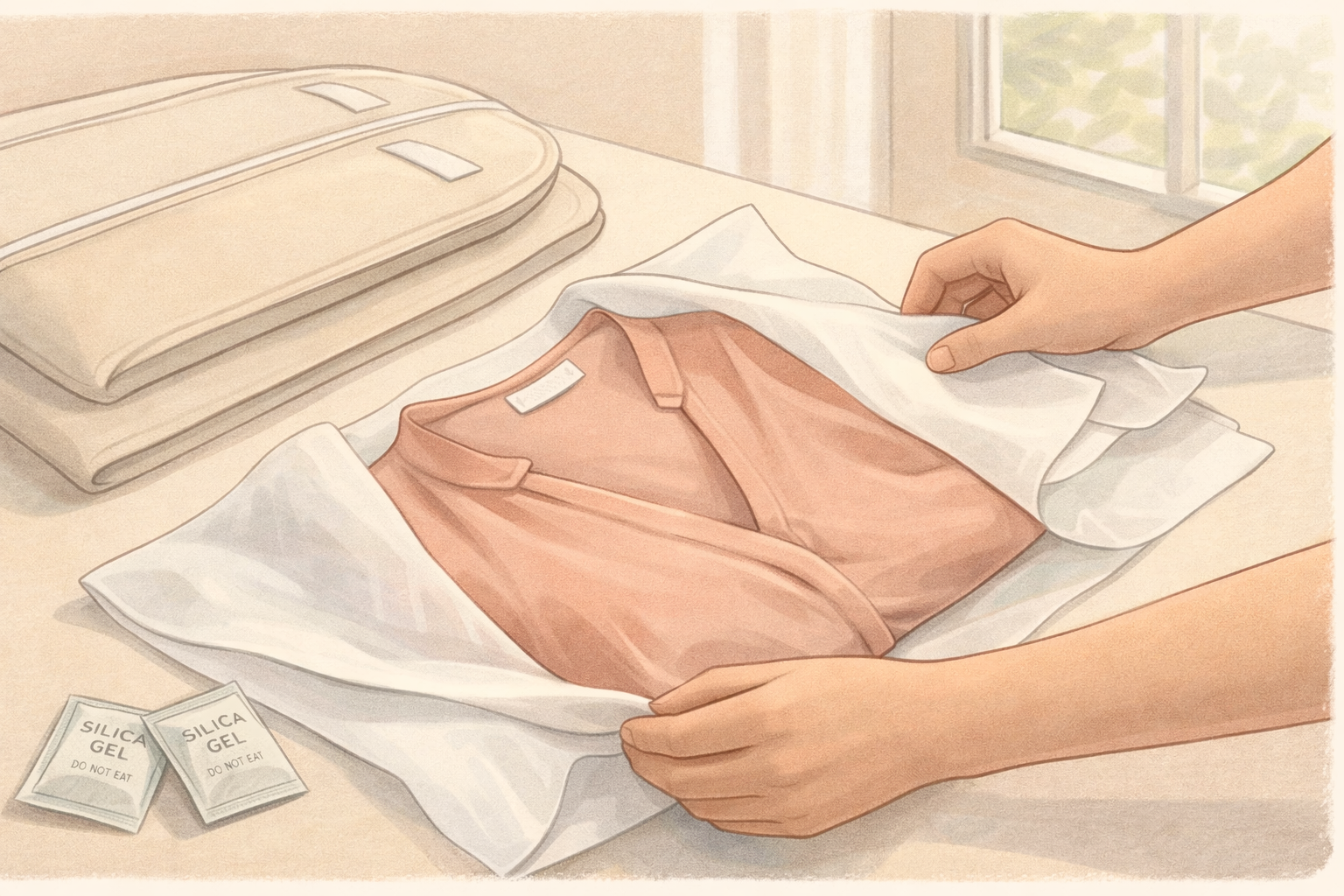
- Acid-free tissue paper for garments (great for silk, knitwear, and anything you don’t want to crease).
- Strong archive-style cardboard boxes for folded clothes.
Plastic tubs help only when the contents are bone dry and you add moisture control inside. Otherwise they trap humidity. Vacuum bags for clothes can be handy for bulky items, but they’re risky for delicates and anything with texture.
Insider tip: if you use a vacuum bag, add a small sachet of silica gel inside the bag, then do a “24 hour check” at home. If you see any fogging or feel cool dampness, don’t put it into storage.
The results
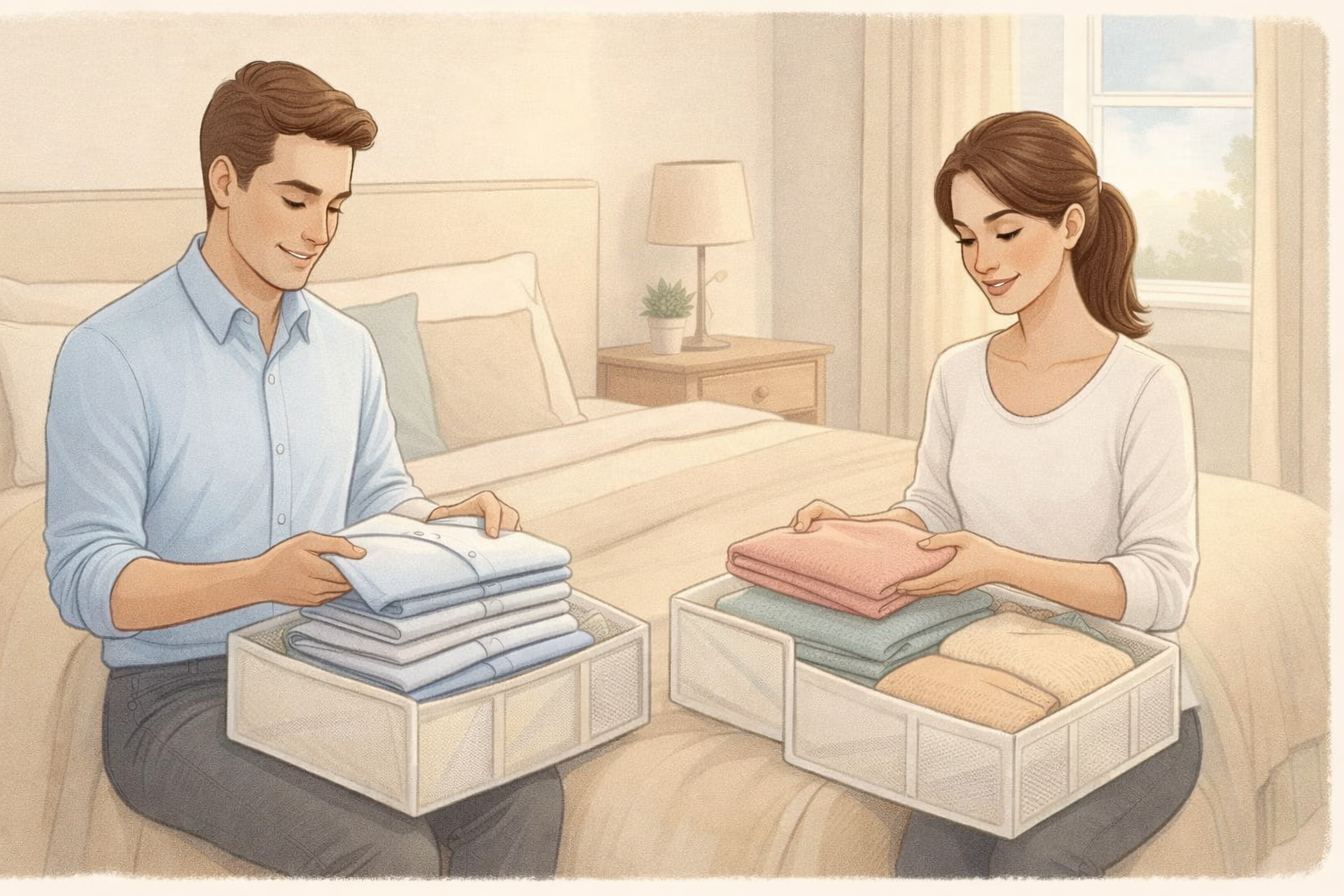
After six months, they pulled out a “work box” first, shirts and trousers ready to go, no musty smell, no surprise yellowing. Their knitwear held its shape because we folded with tissue support instead of crushing it into vacuum bags. They also avoided the classic London problem of opening a unit and getting hit with damp air, which is exactly what good store clothes storage prevents.
Two measurable outcomes they cared about:
- Zero re-cleaning before wear, which saved time and money.
- No allergic flare-ups from dusty, mouldy fabric when unpacking.
It’s not just our anecdotal experience either. Self storage is common now. The Self Storage Association UK reports the sector has over 2,000 self storage sites nationwide (latest annual reporting), and climate-controlled units are increasingly offered as a standard feature in many facilities. More people using storage means more people making the same packing mistakes.
This is also where smart wardrobe storage pays off. If you do the cleaning and drying upfront, you stop problems before they start.
Lessons learned
Most people think mould prevention is all about throwing in a dehumidifier tub. That helps, but it’s not the main lever. The main lever is what you put in the box, and that is the heart of reliable store clothes storage.
Here are the lessons we’d want you to steal:
- Clean before storage, even if it “looks fine”. Sweat and body oils are the silent culprits.
- Dry means properly dry. If you air-dry indoors, give items an extra 24 hours before sealing.
- Breathable packing wins in UK humidity. Use tissue, cotton garment bags, and quality cardboard, then control moisture.
- Pack by fabric type so nothing gets crushed.
For fabric-specific packing, we stick to these practical defaults:
- Wool, cashmere, knitwear: fold with tissue support, add moth prevention for clothes (cedar blocks or lavender sachets), and keep away from damp walls.
- Silk and satin: avoid sharp folds, wrap in acid-free tissue, and separate colours to prevent transfer.
- Coats and suits: hang if you can in a wardrobe box, or fold loosely with shoulder support. If you want crisp results later, pressing beats frantic ironing, and we explained the difference in our piece on pressing vs ironing for crisp clothes.
Now that packing is sorted, don’t ignore the “during storage” bit. Check your unit. We tell people every 4 to 6 weeks, pop in, sniff for damp, look for condensation on tubs, and check corners for pests. That one habit prevents 90% of disasters.
If you want more help choosing the right setup, see our guide to climate controlled storage UK for what it is, when it is worth paying extra, and what to look for. It’s a practical add-on to any store clothes storage plan in London.
For a step-by-step prep routine before anything goes into boxes, use our guide to getting rid of musty clothes smells so you are not sealing odours in for months.
Frequently asked questions
Should I use vacuum bags to store clothes in a storage unit?
Yes, but only for the right items. Vacuum bags for clothes work well for puffer jackets, spare bedding, and non-delicate cotton basics, as long as everything is fully dry. Avoid them for wool knits, silk, structured jackets, and anything you don’t want permanently creased. If you’re trying to store clothes storage style for months, breathable packing is usually safer.
How do I stop clothes smelling musty in storage?
Start by removing the source. Clean and fully dry items, then add moisture control (silica gel sachets or dehumidifier tubs) and keep airflow gaps in the unit. If you’re already dealing with odours, we’ve got practical fixes in our guide on getting rid of musty clothes smells.
Is a climate-controlled storage unit worth it for clothes in the UK?
Often, yes. In a damp climate, climate controlled storage UK units reduce humidity swings that trigger mould and mustiness. If you’re storing wool, cashmere, suits, or anything sentimental, we’d pay the extra. If it’s short-term and mostly everyday cotton, a standard unit can work if you control moisture and airflow.
Can I store clothes in cardboard boxes without them going damp?
Cardboard can be great because it breathes, but only if the unit is dry and you keep boxes off the floor and away from walls. Use strong archive boxes, tape the seams, and add a moisture absorber inside the unit. Don’t put slightly damp clothes into cardboard, it will hold the moisture.
How often should I check my storage unit for mould or pests?
Every 4 to 6 weeks is realistic. Look for condensation, damp smells, tiny black spots on fabric, and any signs of moths. If you spot anything early, you can re-dry items, swap moisture tubs, and stop a full wardrobe disaster.
Conclusion
If you take one thing from this, let it be this. Mould prevention starts on your drying rack, not in your storage unit. Clean properly, dry longer than you think, pack breathable, and leave airflow gaps. That’s how we see London clients store clothes storage style without musty surprises, crushed knits, or ruined suits.
Want a hand getting items storage-ready? Drop them to Glint Express for dry cleaning, wash and press, or quick repairs before you pack. Visit us in Notting Hill at 341 Ladbroke Grove, London W10 6HA, call 0745 030 2088, or email NottingHill@glintexpress.co.uk. Or pop into North Finchley at 9 Halliwick Court Parade, Woodhouse Road, London N12 0NB, call 020 3376 2060, or email nfinchley@glintexpress.co.uk.