Shrink Clothes Safely: Get Back to Fit

The moment you realise it's too big
Ever had that moment where your favourite jumper feels more like a tent? If you are trying to shrink clothes for a more comfortable, flattering fit, you are not alone. Maybe it is weight change, maybe you bought a size up just in case, or maybe the brand simply runs oversized. Either way, learning how to reduce garment size safely can save you money and keep your wardrobe wearable.
Before you panic and reach for the hottest wash, pause and check whether the garment is genuinely stretched, intentionally oversized, or simply a poor fit. Some items feel bigger because the fibres have relaxed, not because the garment has permanently grown. In those cases, a careful wash and dry cycle can help the fabric recover without aggressive heat.
Before you try to shrink clothes: 3 checks that save disasters
Before you try to shrink clothes, do these quick checks. They take minutes and can prevent irreversible damage like colour loss, warped seams, or a jumper that suddenly fits a child.
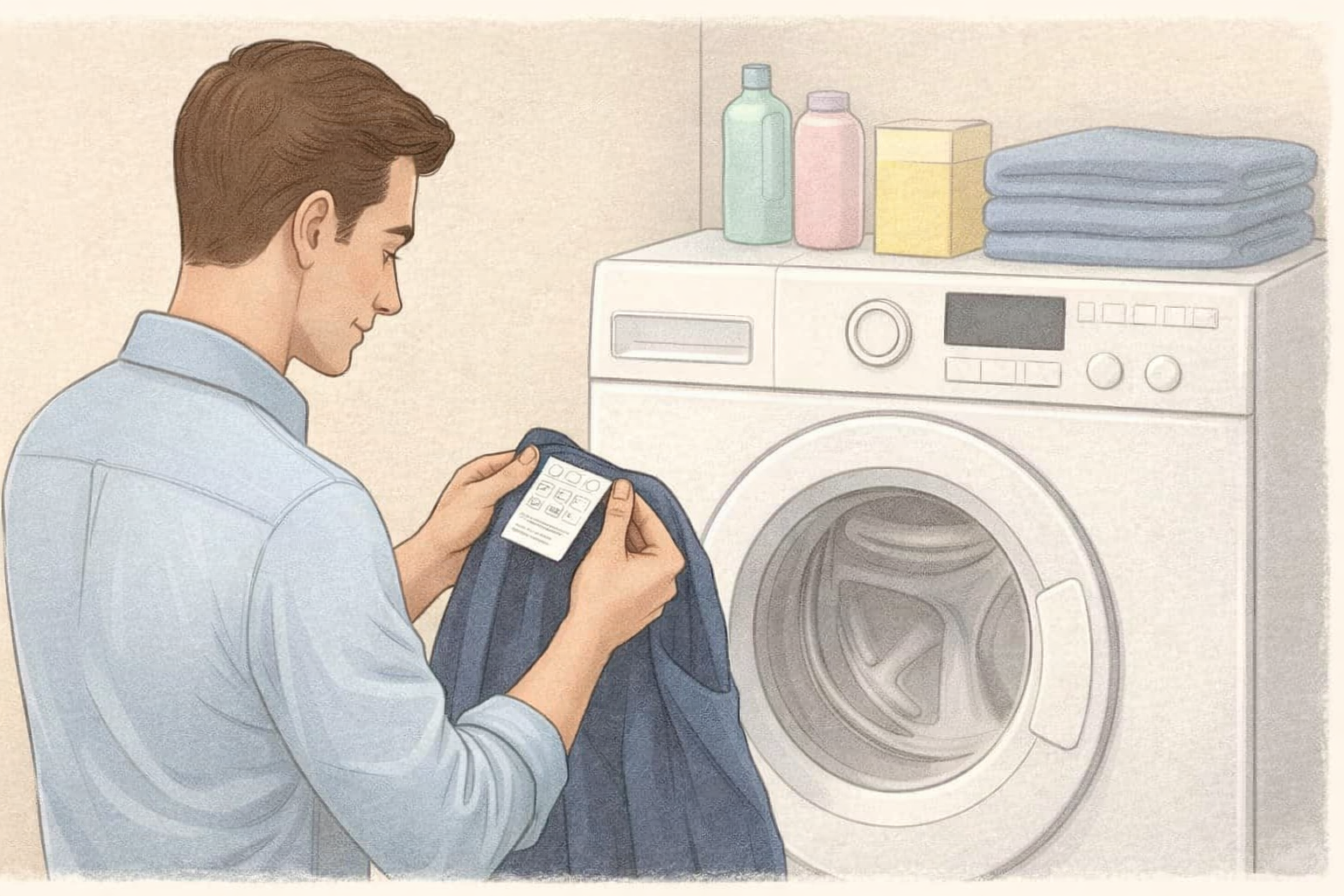
Read the care label and fibre content
The care label is your first line of defence. It tells you whether the manufacturer expects the item to tolerate heat, agitation, and tumble drying. Natural fibres (like cotton and wool) often respond to heat and moisture, while synthetics (like polyester) are designed to resist change.- If the label says do not tumble dry, size-reduction attempts become much riskier.
- If it says cold wash only, heat may cause distortion, dye bleed, or damage to trims.
Do a colour and dye test
When you shrink clothes using warm or hot water, dyes can loosen. This is especially common with:- dark denim
- bright cottons
- red and navy garments
- new items that have not been washed before
Test by dampening a hidden area (inside hem or seam) and pressing it with a white cloth. If colour transfers, avoid hot water and consider professional cleaning.
Measure and set a realistic target
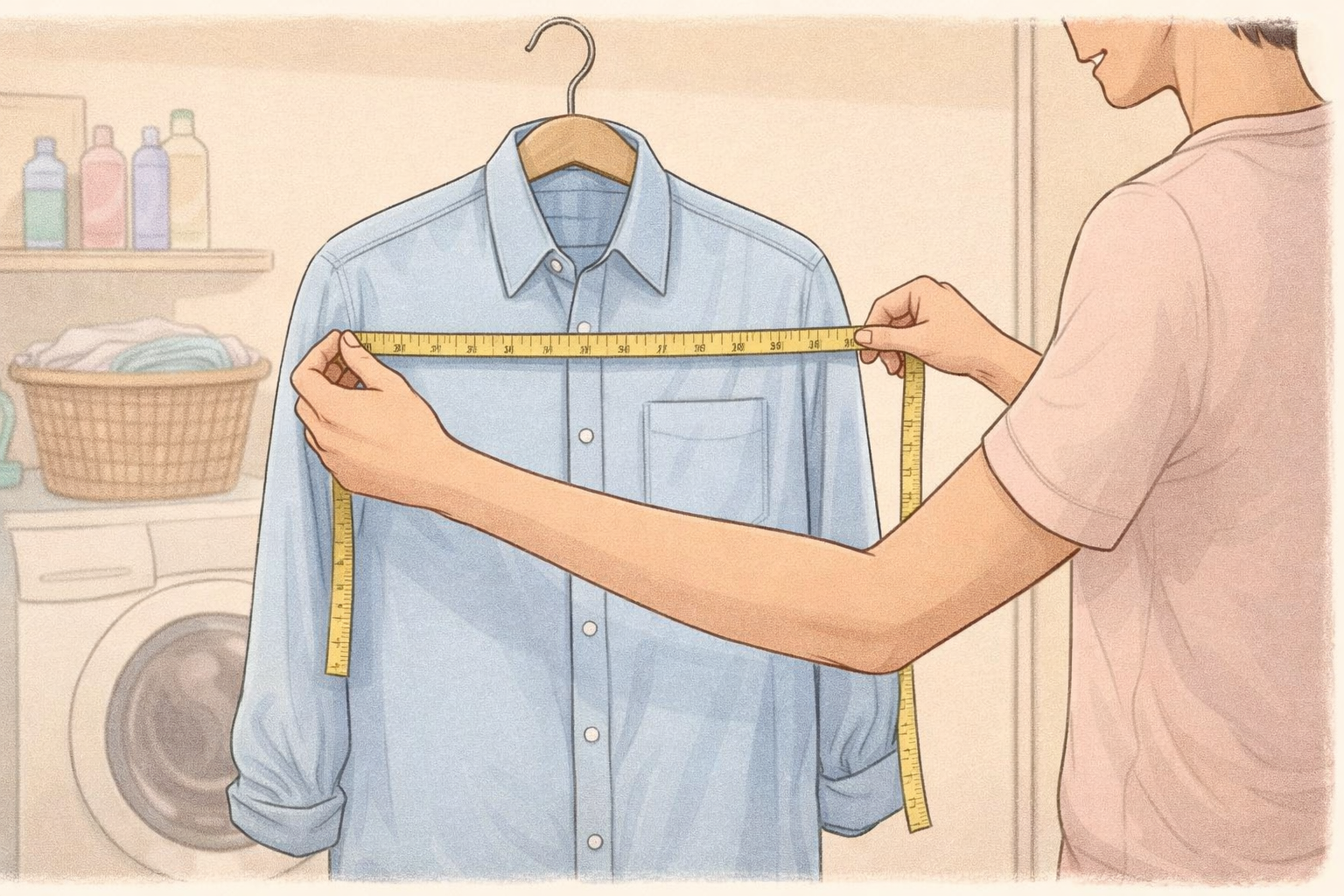
Shrinkage is rarely perfectly predictable. If you only need 1 cm off the chest or length, aggressive methods can overshoot quickly. Measure key points before you start:- chest width (armpit to armpit)
- body length (shoulder to hem)
- sleeve length
- waist/hip width
Write the numbers down. After each attempt, re-measure so you know whether you should stop, repeat, or switch approach.
How to shrink clothes safely (start small, then repeat)
The safest way to shrink clothes is to start with moderate heat and short cycles, then repeat if needed. You can always reduce the size a little more, but you cannot easily reverse over-shrinking.
Warm wash + medium tumble dry
This is a practical method for many cottons and cotton blends.
- Wash on warm (not boiling hot).
- Use a normal detergent.
- Tumble dry on medium heat, checking progress partway through.
This approach uses a balance of moisture, heat, and movement to encourage fibres to tighten. According to Which?, using a medium heat setting can reduce energy use compared with high heat while still being effective for everyday drying.
Best for: cotton T-shirts, cotton shirts, cotton blend jumpers, casual cotton dresses.
Avoid if: the item has glued trims, delicate prints, or a label warning against tumble drying.
Hot soak in a basin (more control)
If you want more control over how you shrink clothes, a hot soak can be gentler than a full hot wash.
- Fill a basin with hot water (hot tap water is usually enough).
- Submerge the garment for 10 to 30 minutes.
- Gently squeeze out water (do not wring delicate knits).
- Air dry until the item is damp, not wet.
- Finish in the tumble dryer on medium heat for short bursts.
Tip: Try the garment on when it is slightly damp (if practical). This is often the moment you can decide whether to stop or continue.
Targeted shrinking (only the area that needs it)
Sometimes you do not want to shrink clothes overall, only a specific area such as the waistband, cuffs, or hem.
- Use a spray bottle to dampen the area.
- Apply warm air with a hairdryer or a short tumble dry.
- Reshape and lay flat to cool.
This is not as powerful as a full wash and dry, but it can help with minor fit issues without changing the entire garment.
By fabric: what works and what to avoid
To shrink clothes successfully, you need to match the method to the fibre. Different fabrics react differently to heat, water, and agitation.
Cotton
Cotton is one of the easiest fabrics to size down because the fibres tighten with heat and moisture.
- Works well: warm wash + tumble dry, hot soak + dry
- Watch out for: over-shrinking in length, especially in T-shirts and dresses
If the item is 100% cotton, it may shrink more than a cotton blend. If it is pre-shrunk, results may be subtle.
Denim
Denim (cotton-based) can shrink, especially at the waist and length.
- Works well: warm wash and medium dry
- Watch out for: fading, creasing lines, and uneven shrinkage
If you want to shrink jeans but keep colour, turn them inside out and use a gentle detergent. Avoid long hot cycles.
Wool and cashmere
Wool and cashmere can shrink dramatically and unpredictably due to felting. If you try to shrink clothes made from wool, you must be extremely cautious.
- Safer approach: cool to lukewarm water, minimal agitation, reshape and dry flat
- High risk: hot water, rubbing, heavy spin cycles, high tumble heat
If the item is expensive or sentimental, professional help is usually the best option.
Polyester, elastane, and synthetics
Most synthetics are designed to resist shrinkage. If you are trying to shrink clothes made mostly from polyester or elastane, you may see little change.
- Likely result: minimal shrinkage
- Risk: heat damage (shine, warping, melted fibres) before meaningful shrinkage
In these cases, alterations often give a cleaner, more reliable fit.
Viscose and rayon
These can behave unpredictably. They may shrink and also lose shape.
- Possible: slight shrinkage with careful washing
- Risk: stretching, rippling seams, distortion when wet
If you proceed, avoid aggressive tumble drying and reshape while damp.
Shrinking without ruining the shape
Even when you successfully shrink clothes, the fit can look wrong if the garment twists, puckers, or shrinks unevenly. Use these habits to keep the shape intact.
- Turn garments inside out to protect colour, prints, and surface texture.
- Do not overload the drum. Crowding reduces even movement and can cause creases to set.
- Use shorter cycles and check progress. A few shorter attempts are safer than one long, hot cycle.
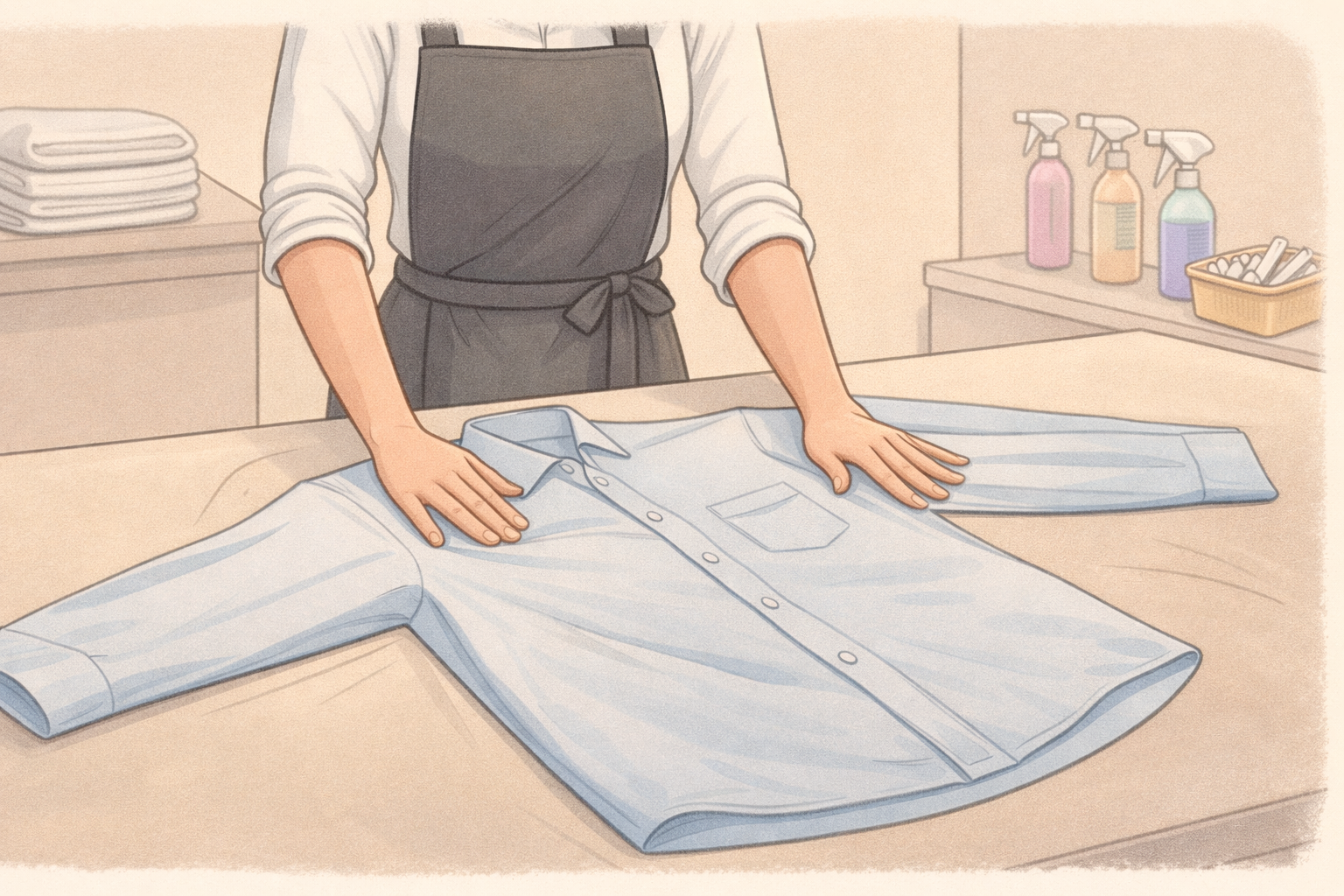
- Reshape while damp. Smooth collars, cuffs, hems, and seams back into position.
- Protect details. Prints, embroidery, heat-bonded logos, and glued trims can crack or warp with heat.
If the garment has structured parts (like a blazer lining, shoulder pads, or fused interfacing), at-home size reduction can cause bubbling or distortion. In those cases, it is better to avoid DIY shrinking.
When shrinking won't fix it (and what to do instead)
Sometimes shrinking is not the right solution. If the garment is several sizes too large, or if it is made from fibres that resist shrinkage, you may get a better result with alterations.
If you have tried to shrink clothes once or twice and the change is minimal, consider:
- Taking in side seams for a cleaner silhouette
- Shortening straps on dresses and tops
- Tapering sleeves so the arms look fitted
- Adjusting waistbands on trousers and skirts
Alterations are also the best option when you need precision, such as reducing a shirt by exactly 2 cm in the chest without shortening the sleeves.
At Glint Express, we handle these adjustments with care so the garment looks intentional, not simply “made smaller”.
Local help in Notting Hill and North Finchley
Some fabrics are risky to experiment with at home, especially if you are trying to shrink clothes made from wool, silk, cashmere, or delicate blends. If you are nearby, our North Finchley and Notting Hill locations offer reliable services including dry cleaning, wash and fold, and garment care advice.
Bring your item in and tell us what you want to achieve. We can help you decide whether shrinking is realistic, whether professional cleaning is safer, or whether alterations will give the best finish.
If you are also dealing with odours after washing, see our guide: Explore easy ways to eliminate musty clothes smell.
For finishing and presentation after you adjust the fit or alter them, you may find this useful: Discover the difference between pressing and ironing.
For more everyday garment care tips, you might also like: How to wash a suit at home (without ruining it).
If you are deciding between cleaning options, see: Dry cleaning vs laundry: what’s best for your clothes?.
Frequently asked questions
Can you shrink clothes back to their original size?
Sometimes. If the garment has relaxed through wear, you may be able to shrink clothes back closer to the original measurements, especially with cotton. However, if the item was manufactured oversized or has permanently stretched fibres, results may be limited.
How do I shrink a cotton shirt without shrinking it too much?
Start with a warm wash and a medium tumble dry, then check the fit while it is slightly damp. If you need more, repeat in short steps. This gradual approach helps you reduce the size without overshooting.
Will polyester or elastane shrink in the tumble dryer?
Not significantly. These fibres are designed to resist shrinkage. High heat may damage the fabric before it meaningfully shrinks, so it is usually better to consider alterations.
How can I shrink jeans without making them fade?
Turn them inside out, use a gentle detergent, and avoid long hot washes. A warm wash followed by a medium dry can tighten up denim while reducing the risk of heavy fading.
Is it safe to shrink wool or cashmere at home?
It is risky. Wool and cashmere can felt quickly, leading to dramatic shrinkage and a stiff texture. If you need to shrink clothes made from these fibres, professional guidance is strongly recommended.
Conclusion: shrink clothes carefully for the best fit
If you want to shrink clothes successfully, the key is control: check the label, measure first, start with moderate heat, and repeat gradually. Cotton and denim usually respond well, while wool, cashmere, and synthetics need extra caution or a different solution.
Pop into Glint Express if you want your garments handled with care. Whether you are trying to adjust the fit at home or you need precise alterations, we are here to help.