How to Get Stains Out of School Uniforms (The Real Parent’s Guide)
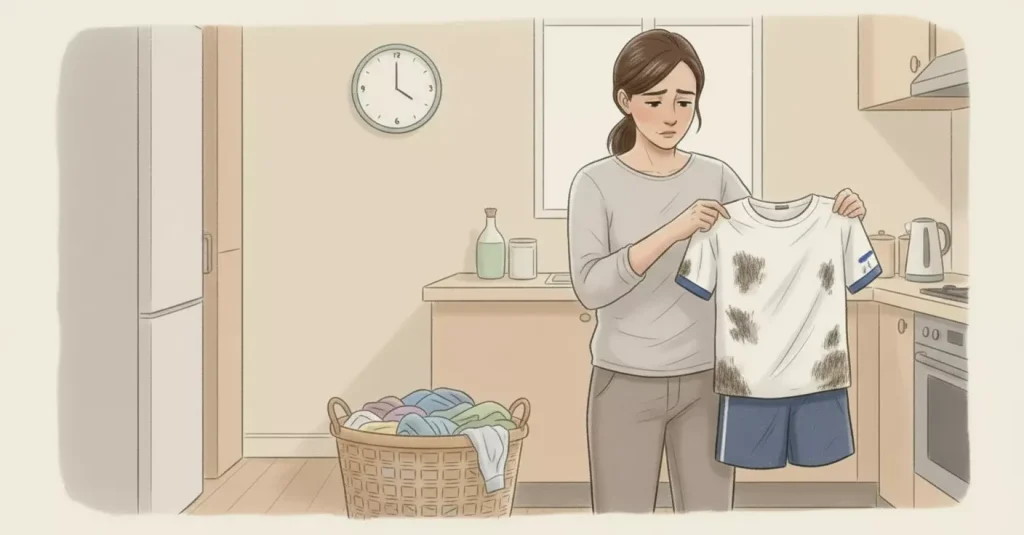
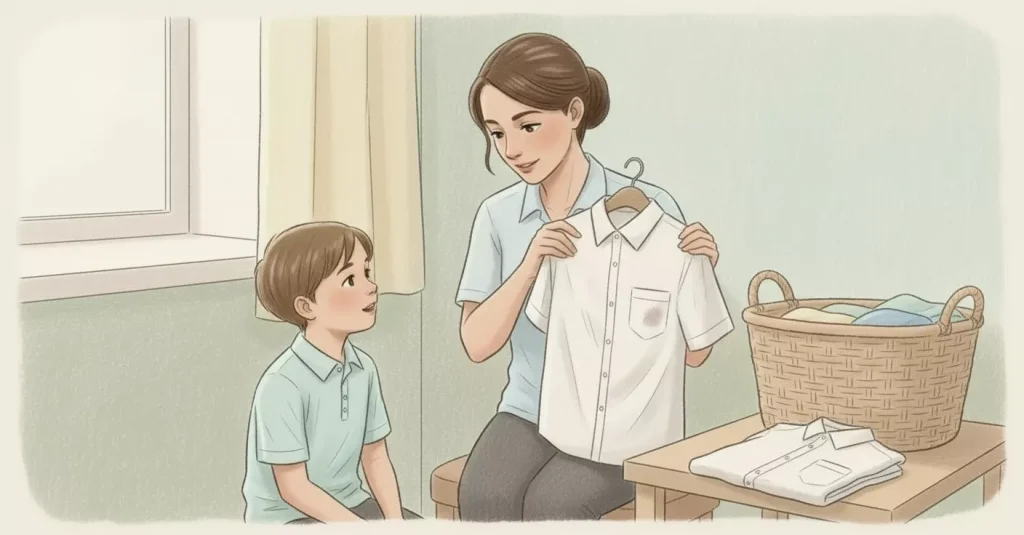
It was a Tuesday evening, about half past eight. I’d just finished cleaning the kitchen after dinner when my son reminded me he needed his PE kit for the next morning. I went to get it from the laundry basket, and honestly, I nearly cried. Grass stains on the knees. Mud splattered up the back of the shirt. Something that looked suspiciously like felt-tip pen on the sleeve. And it all needed to be clean, dry, and ready to wear in about twelve hours.
If you’re a parent, you know this panic intimately. School uniforms have this magical ability to attract every possible stain, often all on the same day. And because most kids only have two or three sets, you’re constantly washing, treating stains, and praying things dry in time for the morning.
Let me share what I’ve learned about getting school uniform stains out, because nobody warns you about this part of parenting. They tell you about the sleepless nights with babies, but somehow they forget to mention you’ll be googling “how to remove Biro from polyester” at ten o’clock on a Wednesday night.
Why School Uniform Stains Are Particularly Evil
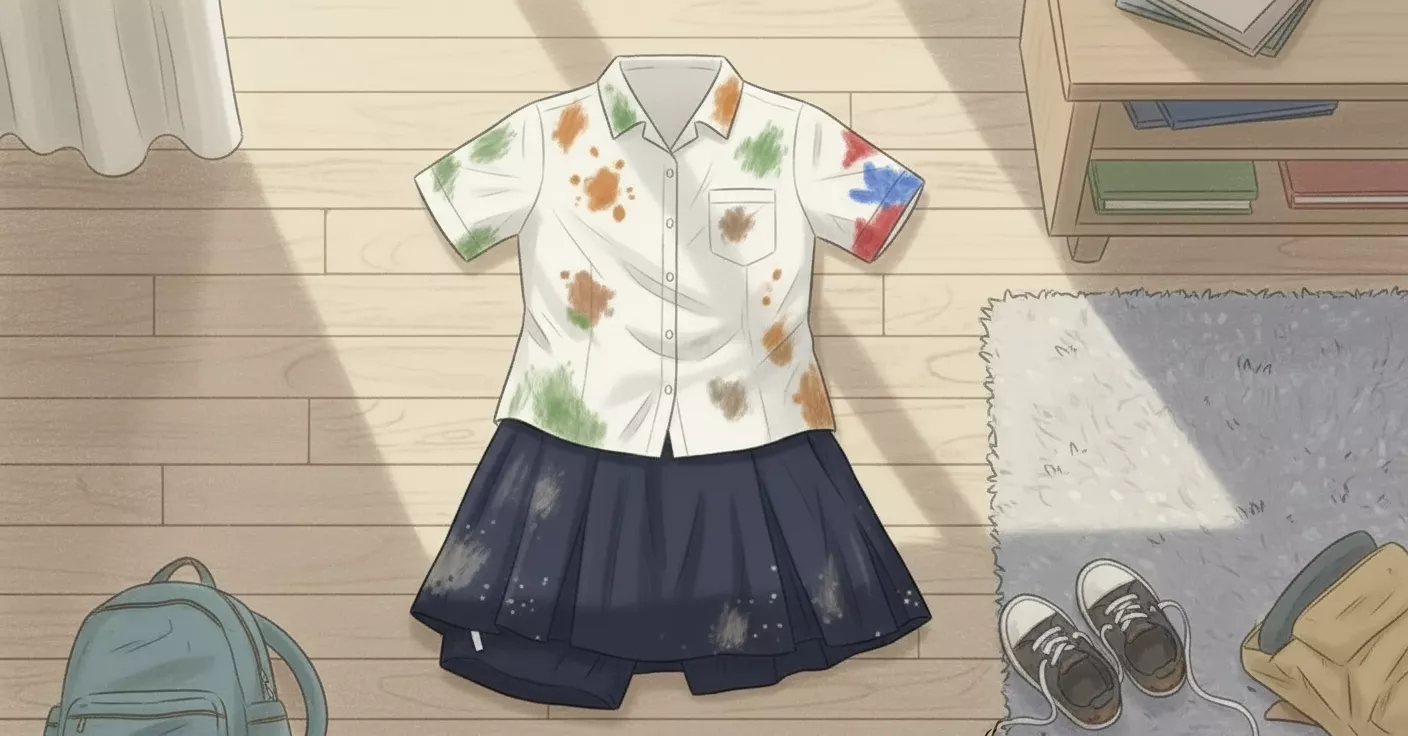
School uniform stains are different from regular clothes stains, and here’s why they’re so frustrating. First, you’re often dealing with synthetic fabric blends rather than pure cotton. Polyester doesn’t release stains as easily as natural fibres. It holds onto everything, particularly oil-based stains.
Second, school uniforms see serious abuse. Kids sit on grass during lunch, play football in the rain, do art projects with poster paint, spill lunch down their fronts, and generally treat their clothes like they’re indestructible. By the time the uniform comes home, stains have often been there for hours, which makes them much harder to shift.
Third, most school uniforms are white shirts or light-coloured polo shirts paired with dark trousers or skirts. This combination maximises stain visibility. Every mark shows up brilliantly against white fabric, and somehow dark trousers attract lint and light-coloured stains like magnets.
The washing frequency doesn’t help either. When kids only have two sets of uniform, you’re washing them constantly, which means stains don’t always get properly treated before going through the machine. The heat from the dryer can set stains permanently if they haven’t been removed first.
The Monday Morning Disaster Stains
Some stains are worse than others, and if you’re unlucky, you’ll encounter all of these during term time. Let me walk you through the main culprits and what actually works.
Grass Stains
These are the absolute worst, in my opinion. Grass stains contain chlorophyll, which binds to fabric fibres on a molecular level. It’s basically plant dye, and it’s incredibly stubborn. Those bright green marks on trouser knees are the bane of every parent’s existence.
The key with grass stains is treating them before washing. Don’t just chuck the uniform in the machine and hope for the best. That rarely works. Instead, make a paste with equal parts white vinegar and baking soda. Work it into the stain with an old toothbrush. Let it sit for at least thirty minutes, longer if possible.
White vinegar is genuinely brilliant for grass stains. The acidity helps break down the chlorophyll. I keep a big bottle of it in my laundry cupboard now because I go through so much of it during football season. After the vinegar treatment, wash the item in the warmest water the fabric allows, using biological detergent. The enzymes in biological detergent help break down organic stains.
If the stain is really bad, you might need to soak the whole garment overnight in a solution of oxygen bleach and water. Don’t use chlorine bleach, which can yellow white fabrics and damage colours. Oxygen bleach is gentler and more effective for grass stains.
Mud Stains
Mud is less chemically stubborn than grass, but it gets everywhere. The trick with mud is patience. Let it dry completely before you do anything. I know this seems counterintuitive, but wet mud will smear and spread if you try to treat it immediately.
Once it’s dry, brush off as much as possible with a stiff brush or even just by rubbing the fabric against itself. You’ll get rid of most of the dried mud this way. Then treat the remaining stain with liquid detergent worked directly into the fabric. Use your fingers or a brush to really work it in.
Wash as normal, but check the stain before putting the item in the dryer. If there’s still a mark, treat it again. The heat from the dryer will set any remaining mud and make it permanent. I’ve learned this the hard way more times than I care to admit.
Ink and Pen Marks

These make me want to cry every single time. Ballpoint pen on a white school shirt is genuinely one of the most stressful stains to deal with. The good news is that rubbing alcohol or hand sanitiser works remarkably well.
Put a paper towel or old cloth under the stain. Dab rubbing alcohol onto the mark with a cotton pad. Don’t rub, just blot repeatedly. You’ll see the ink transferring onto the cotton pad. Keep using fresh pads until no more ink is coming off. Then wash the item as normal.
Hairspray used to be the go-to solution for this, and it still works if you’ve got nothing else. Spray it liberally on the stain, let it sit for a minute, then blot with a damp cloth. The alcohol in the hairspray dissolves the ink. Modern hairsprays often contain less alcohol than they used to, though, which is why pure rubbing alcohol is more reliable.
Food Stains
Everything from ketchup to spaghetti sauce ends up on school uniforms. Food stains are usually protein and fat based, which means they respond well to dish soap. Yes, washing-up liquid works brilliantly on food-stained clothes.
Scrape off any solid food first. Rinse the stain under cold water from the back of the fabric, pushing the stain out rather than through. Apply a small amount of liquid dish soap directly to the stain and gently work it in with your fingers. Let it sit for ten minutes, then wash as normal.
Tomato-based stains can be particularly stubborn and may leave a pink shadow even after treatment. For these, try applying white vinegar after the dish soap treatment, then wash in the hottest water the fabric allows.
Blood Stains
Grazed knees happen. Blood is actually quite easy to remove if you treat it quickly and use cold water. Never use hot water on blood stains. The heat cooks the proteins in blood and sets the stain permanently.
Rinse the stain under cold running water immediately if possible. The blood should start to fade. If it’s dried or set, soak the garment in cold salt water for several hours before washing. Salt water is remarkably effective at drawing out blood stains.
For stubborn dried blood, hydrogen peroxide can work, but test it on a hidden area first as it can bleach some fabrics. Apply it directly to the stain, let it fizz, then rinse and wash as normal.
The Problem with Permanent Marker
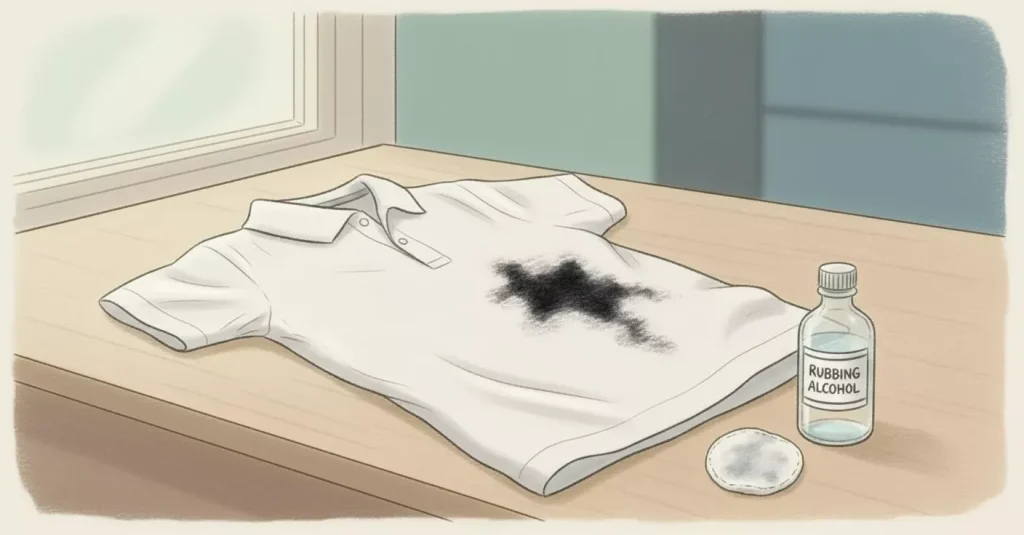
Let me be honest with you. Permanent marker on school uniform is often actually permanent. The clue is in the name. I’ve tried every hack, every product, every supposed miracle cure, and results are hit and miss.
The best chance you have is to treat it immediately with rubbing alcohol and patience. Dab repeatedly, don’t rub. Change your cloth frequently so you’re not just spreading the ink around. Sometimes it works, sometimes it doesn’t. If the marker has been on the fabric for days and been through the wash, you’re probably out of luck.
This is where having a spare uniform set becomes crucial, because sometimes you just can’t save an item. I’ve learned to accept this, even though it’s frustrating.
Why Pre-Treatment Makes All the Difference
The single biggest change in my uniform-washing routine was starting to pre-treat every stain before washing. I used to just chuck everything in the machine and hope, which meant I often had to wash things twice or three times. Now I spend five minutes treating stains as soon as the uniforms come off, and it saves me hours of rewashing.
I keep a little basket in the utility room with my stain-fighting arsenal: white vinegar, baking soda, rubbing alcohol, dish soap, a stiff brush, and an old toothbrush. When my son gets home from school, the uniform goes straight in the wash basket, and any visible stains get treated immediately.
This immediate treatment makes such a difference. Stains that sit for days while you wait for a full load become much harder to shift. Fresh stains respond to treatment much better than old ones.
The Weekly Routine That Keeps Me Sane
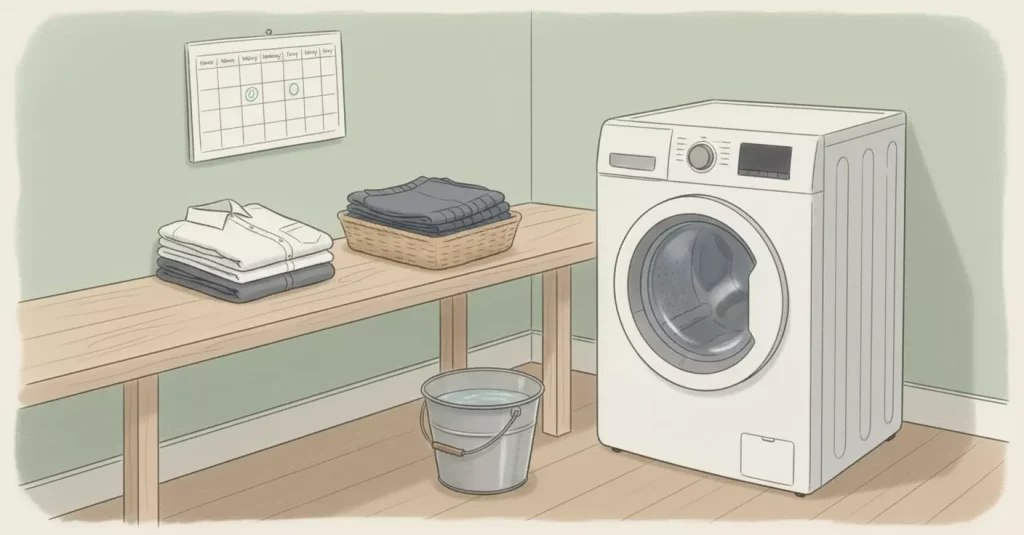
I wash school uniforms twice a week, Wednesday evening and Sunday evening. This rhythm means there’s always clean uniform available, and I’m not frantically washing and drying things overnight.
Wednesday’s wash catches the mid-week grubbiness. Sunday’s wash sets us up for Monday morning. I treat any visible stains as they happen throughout the week, so by the time wash day comes, most of the hard work is already done.
I also do a monthly deep soak. Once a month, usually at the weekend, I fill a bucket with warm water and oxygen bleach and soak all the white uniform items for a few hours. This keeps them looking fresh and prevents that gradual greying that happens to white school shirts.
The Real Talk About Time and Energy
Here’s something nobody admits but everyone feels. Sometimes you just don’t have the time or energy to deal with stained uniform. You’re exhausted, you’ve had a long day, and the thought of spending half an hour treating grass stains makes you want to give up entirely.
I’ve been there. I’ve sent my kid to school in a slightly stained shirt because I simply could not face dealing with it. And you know what? It was fine. Nobody called social services. The teacher didn’t judge me. Kids don’t care if there’s a faint mark on their polo shirt.
The perfectionism that social media and parenting culture pushes on us is exhausting and unrealistic. Your child’s school uniform doesn’t need to be pristine every single day. Good enough is actually good enough.
When to Get Professional Help
There are times when professional cleaning services make absolute sense, and as a parent, you shouldn’t feel guilty about using them. If both parents work full-time, if you’re a single parent juggling everything, if you have multiple kids with multiple uniforms, the time and energy required for constant stain treatment is genuinely overwhelming.
Some launderettes and dry cleaners offer service washes where you drop off dirty laundry and collect it clean, dry, and folded. Yes, it costs money, but what’s your time and sanity worth? If paying someone to handle your weekly uniform wash means you get an evening back to spend with your kids or just to rest, that’s money well spent.
I resisted this for ages because I felt like I should be able to manage it all myself. Then I tried a service wash once when I was absolutely drowning, and it was revelation. Professional washing machines and proper stain treatment got the uniforms cleaner than I’d ever managed at home. Sometimes it’s worth getting help.
Practical Tips That Actually Help
Buy an extra set of everything if you possibly can. Three sets of uniform instead of two makes life so much easier. You’ve got breathing room. One set can be in the wash while another is drying and the third is being worn.
Keep emergency spare uniform at school if they allow it. A spare shirt in your child’s bag or locker means unexpected stains aren’t a disaster. My son’s school lets them keep a PE kit there all term, which is one less thing to remember.
Teach your kids basic stain management. My nine-year-old knows to rinse spills with cold water and to tell me about stains as soon as he gets home. Obviously, he forgets half the time, but when he does remember, it makes a huge difference.
Accept that uniform will get stained and damaged. You’ll replace items multiple times throughout the school year. Budget for this. It’s frustrating and expensive, but it’s part of having school-age children.
Finding Local Support

If you’re in North London or West London and the school uniform situation is genuinely overwhelming you, there’s no shame in getting help. At Glint Express, we see stressed parents bringing in bags of school uniform all the time at our North Finchley and Notting Hill branches.
Sometimes people just need a professional wash to reset everything. Uniforms that have gradually got grubby despite your best efforts, stains that won’t shift no matter what you try, items that need proper care. We can help with all of that.
We also understand that parents are juggling about fifteen things at once and don’t have unlimited time. Being able to drop off uniform and collect it clean gives you time back. Time to spend with your kids, time to work, time to just breathe. That matters.
You don’t have to do everything yourself. We’re here to make your life easier, not to judge you for needing help. Parenting is hard enough without adding the pressure of perfect laundry management. Come and talk to us if you need support. We’ll sort it out together.