Is Fabric Softener Bad? What We See Daily
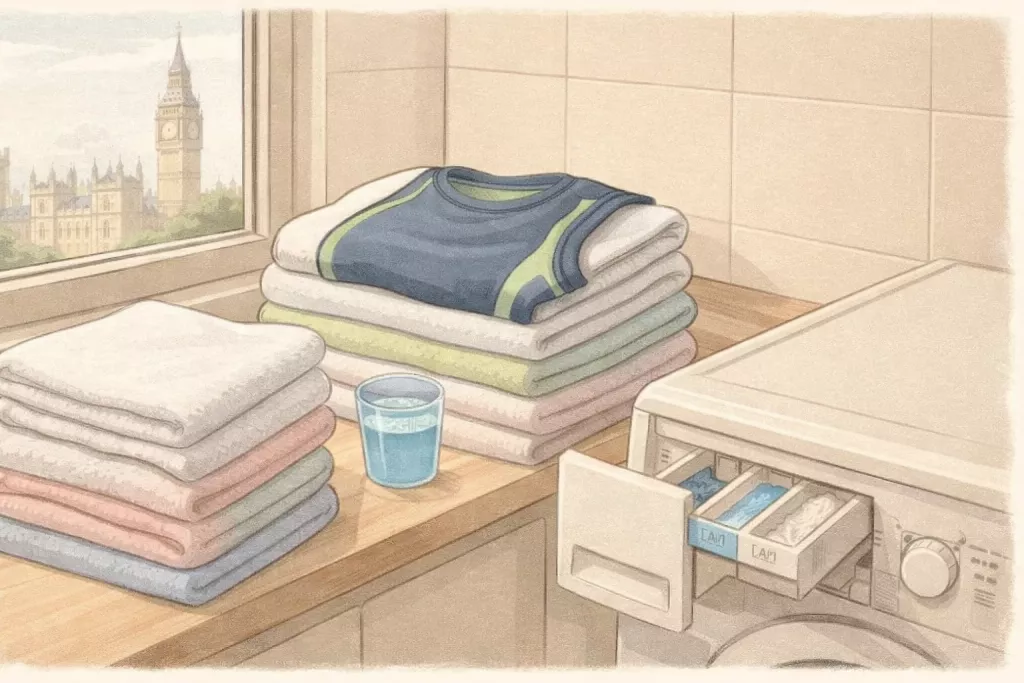
You know that moment you pull a “clean” towel out of the cupboard and it feels… waxy, and somehow still doesn’t dry you? That’s usually the point people ask whether fabric softener bad for clothes, or if it’s just their machine. In our shops around Ladbroke Grove and North Finchley High Road, we see the same patterns weekly: towels that stop absorbing, gym kit that keeps smelling, and shirts that feel coated.
Is fabric softener bad for clothes?
If you want the neighbour-to-neighbour rule, here it is: if the item needs to absorb (towels), breathe (sportswear), or repel water (waterproofs), skip softener. For everyday cotton, a tiny dose is usually fine, even if you’ve heard fabric softener bad as a blanket statement.
“Bad” rarely means instant damage. It usually means slower, annoying problems: fabric softener residue that builds up, towels not absorbent, and that lingering “clean perfume” that masks odour rather than removing it.
Hard no items are simple: microfibre cloths, sports kit, bath towels, and anything labelled flame-resistant. On those, the downside isn’t subtle, it’s the whole point of the fabric getting compromised.
What fabric softener does to fibres
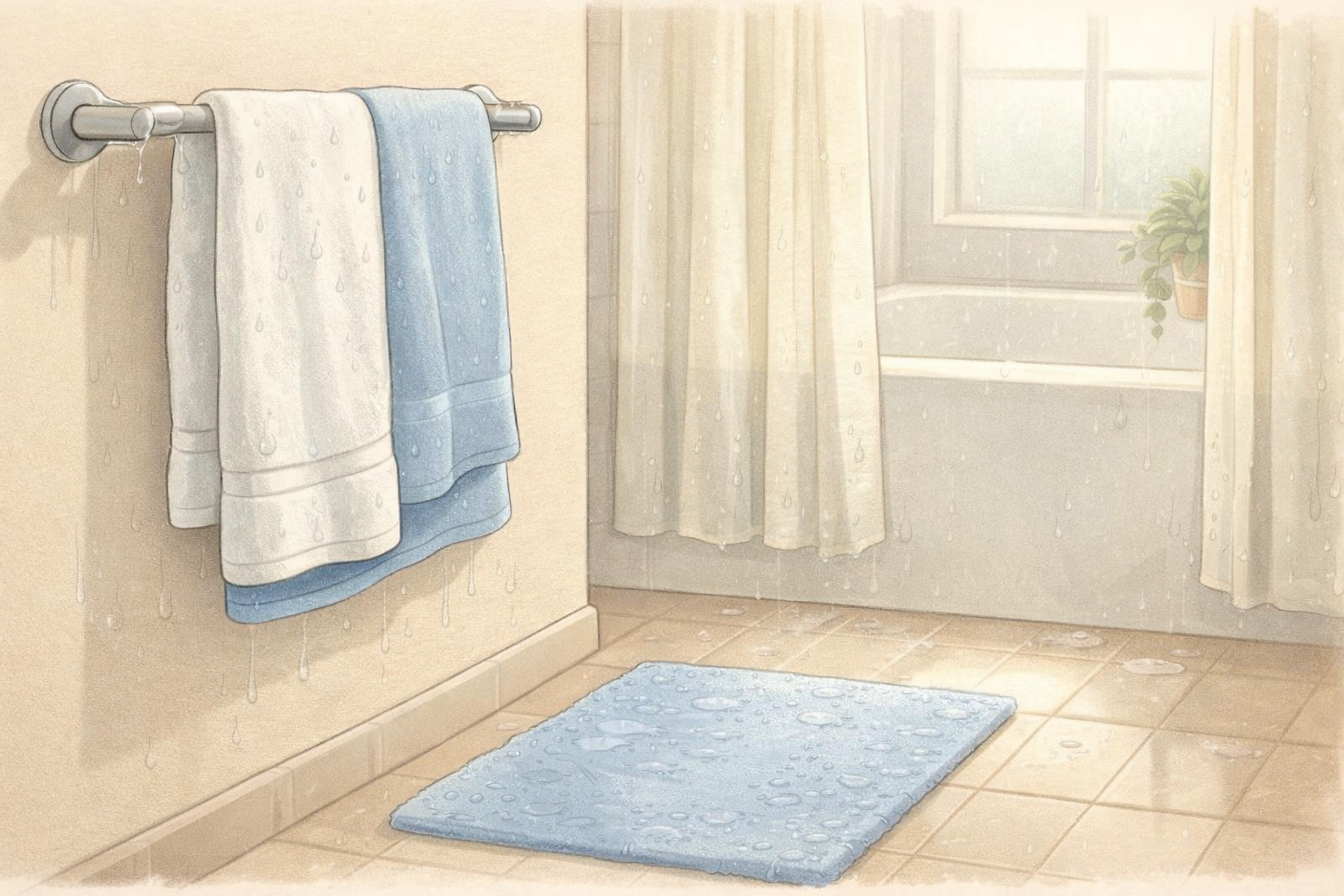
Softener works because it leaves a lubricating coating on fibres. That coating reduces static and makes fabric feel smoother to the touch. It’s a bit like using conditioner on hair: instant slip, less frizz, nicer feel. This is why people often decide fabric softener bad for performance fabrics, because the “nice feel” comes from a film.
The catch is that the coating doesn’t just disappear after one wash. Over time, it can combine with laundry detergent buildup and limescale, especially in hard-water parts of London, and you end up with fabric that feels “soft” but behaves worse.
One insider thing we see a lot: people keep adding more because the fabric stops feeling soft. That’s not your towel “needing” more product, it’s the build-up dulling the fabric’s natural feel.
The coating effect
Softener molecules stick to fibres and reduce friction. That’s why your shirts feel less scratchy straight away, and why synthetics can feel less clingy.
Residue over time
That same coating can trap soils, body oils, and detergent. The item can look clean but smell odd the moment it warms up on your body.
Scent masking odour
Fragrance can cover up a problem load. If your sports kit smells fine cold but stinks mid-commute, you’ve probably got trapped sweat and bacteria, not “not enough perfume”.
Where softener causes the most trouble
If you only remember one section, make it this. Most of the “mystery laundry problems” people bring into our Notting Hill shop are softener-related, and it’s where the idea that fabric softener bad becomes obvious in day-to-day results.
Towels and bathmats top the list. That greasy, draggy feel is classic build-up, and it’s why people complain their towels not absorbent even though they wash them constantly. Softener reduces the towel’s ability to pull water into the loops.
Sportswear is next. Technical fabrics rely on wicking and airflow. A coating messes with that, and you get the dreaded sportswear laundry smell that comes back the second you sweat.
Also skip it on:
- Microfibre cloths (they stop picking up dust properly)
- Waterproofs and rain jackets (DWR performance drops)
- Flame-resistant items (softeners can interfere with treatments)
When fabric softener is less risky
We’re not anti-softener across the board. We’re anti “pour half the cap in and hope for the best”. If you’re using it for basic cotton T-shirts, some bedding, or a one-off static issue, you can use it without wrecking your wash, even if you’ve seen claims that fabric softener bad for everyone.
Here’s how to keep it sensible:
- Use less than the cap suggests. Half-dose is plenty for most domestic machines.
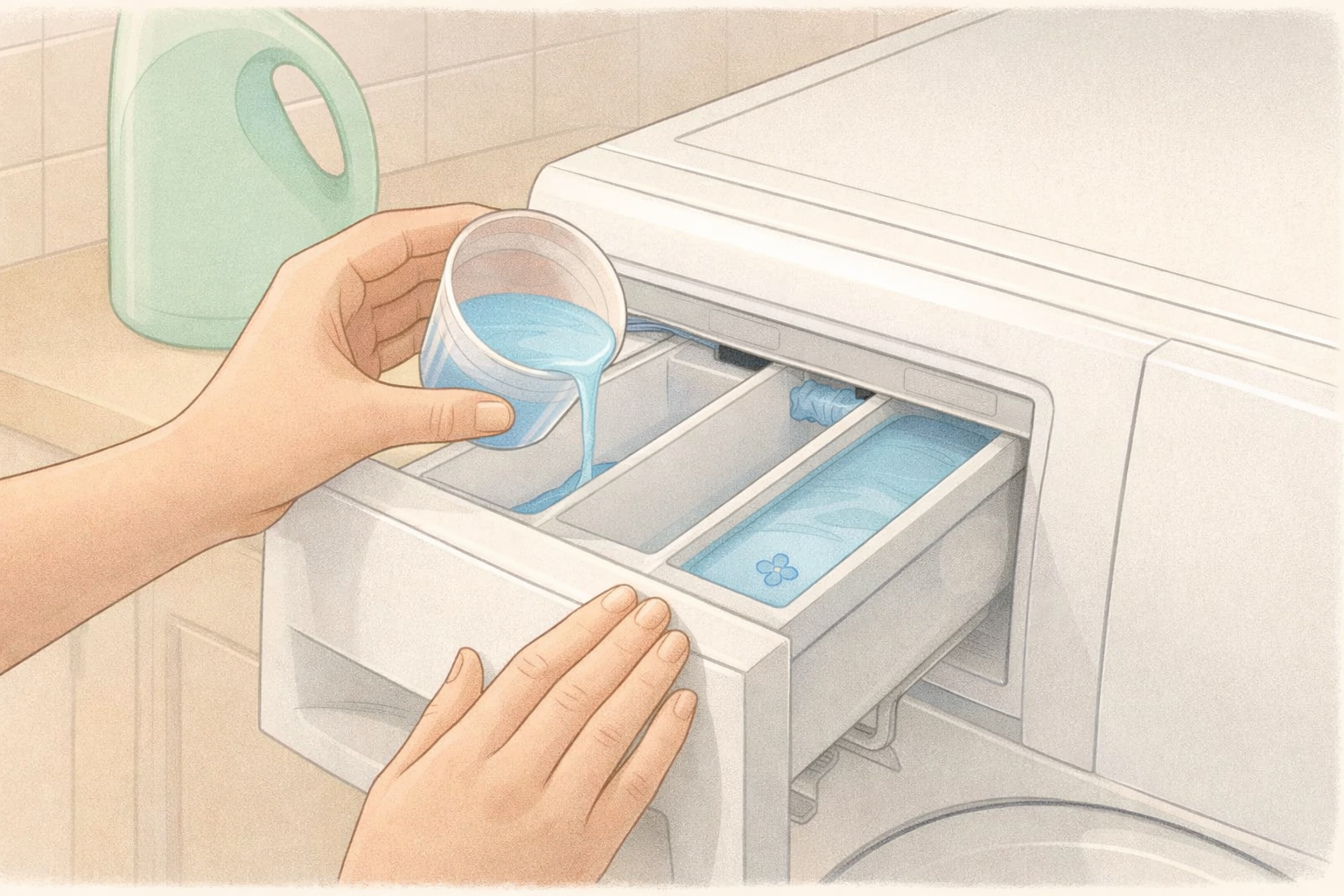
- Put it in the softener drawer, not straight into the drum.
- Don’t combine softener with scent boosters. That’s how you get waxy shirts.
- Add an extra rinse if your machine has the option.
According to Which? laundry advice, using too much product can leave residue and reduce cleaning performance. That tracks exactly with what we see on garments coming in for a “why does this still smell?” rescue.
Better alternatives without build-up
If you’re mostly chasing softness and freshness, you’ve got better options than coating everything. For many households, this is the practical answer when they suspect fabric softener bad for their towels or gym kit.
White vinegar in the rinse is the classic. Used properly, vinegar instead of fabric softener can help reduce residues and odours, and it won’t leave that slippery film. Use 50 to 100 ml in the softener compartment for towels and sportswear. Don’t use it on natural stone surfaces around your laundry area, and don’t mix it with bleach.
Drying matters more than people realise. Wool dryer balls (or even clean tennis balls for some items) can soften by agitation, not coating. Also, don’t over-dry. Baking towels into cardboard is usually a heat and time problem, not a lack-of-softener problem.
One more practical point: detergent dose is the quiet hero. The sector has been moving towards concentrated liquids and pods, but overdosing is still common. The American Cleaning Institute says follow the label and adjust for soil level and water hardness, because overuse can contribute to residues and poor rinsing, especially in HE machines, according to ACI laundry product guidance.
If you’re troubleshooting odours at the same time, our guide to musty clothes smell pairs well with a no-softener reset.
How to fix softener build-up
If things already feel coated, don’t panic. You can usually reset them. This is often the quickest way to test whether fabric softener bad for your routine, because the results change fast once the film is gone.
Common signs we spot at the counter:
- Towels feel slick and stop absorbing
- Shirts feel stiff but weirdly “heavy”
- Colours look dull, especially blacks
- Odour returns fast, even after washing
Try this at-home reset wash (safe for most cottons and synthetics):
- Wash the items on the warmest temperature the care label allows.
- Use half your normal detergent, no softener.
- Add an extra rinse.
- Air-dry if you can, or tumble dry on medium, not max.
If you’re dealing with colour issues at the same time, it’s worth reading our take on keeping darks from fading in London washes, because build-up and harsh dosing often go together.
Now, the honest bit: some loads need professional help. If it’s expensive bedding, work shirts you need crisp, or a sports kit that still smells after a reset, bring it in. We can run a proper reset wash, then finish with a press so it actually feels “new” again. If you’re curious about the finish difference, we broke it down in this pressing vs ironing explanation.
Local help in Notting Hill, North Finchley
Most people don’t need a fancy product, they need a system that works on a Monday night when you’re tired. If you want it sorted fast, here’s what we normally recommend by item, especially if you’re seeing the classic signs that make people say fabric softener bad.
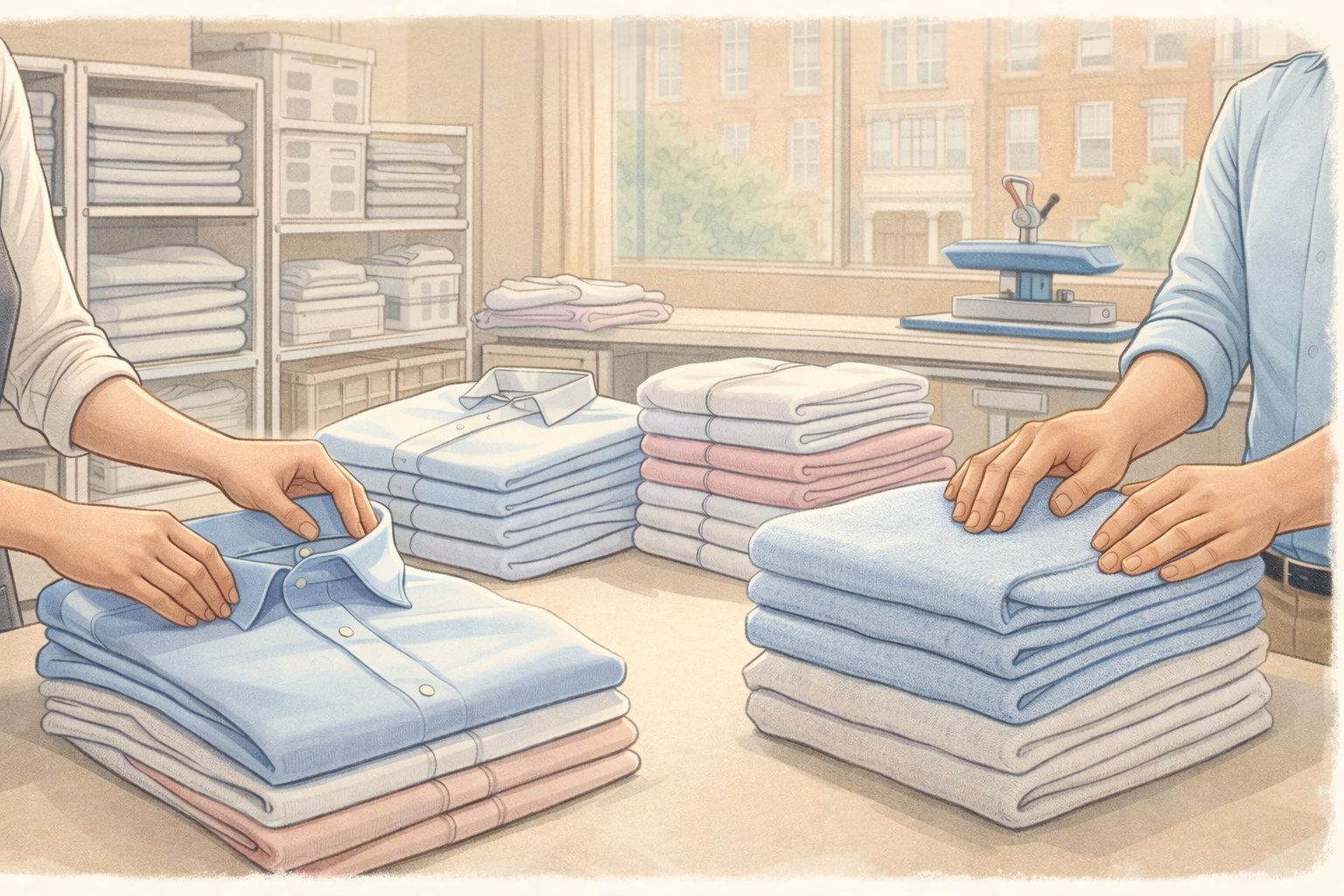
Towels and bathmats: we’ll do a reset wash and dry properly, so they absorb again.
Work shirts and bedding: wash and press is usually the sweet spot. It removes residue, then gives you that crisp finish without you fighting an ironing board.
Sports kit: wash only, no softener, with proper rinsing. If the odour is baked in from repeated low-temp washes, we’ll tell you straight and choose the safest option for the fabric.
We also do alterations, which matters more than you’d think. Lots of people replace items because they “feel old”, but often they just need a clean reset and a small repair.
For service details, see our Notting Hill laundry and dry cleaning page or our North Finchley laundry and dry cleaning page.
Frequently asked questions
Is fabric softener bad for towels?
Usually, yes. Towels need to absorb water, and softener coats the fibres, so you end up with towels not absorbent and that slippery feel. If you love the scent, use it on bedding instead, not towels.
Does fabric softener ruin activewear and gym clothes?
It can. Technical fabrics rely on wicking, and softener blocks that. If you’ve got persistent sportswear laundry smell, drop softener completely and prioritise a good rinse.
Can fabric softener damage washing machines over time?
It’s not the main machine killer, but build-up can contribute to gunk in drawers, hoses, and seals, especially if you overdose. Keep the drawer clean and run a maintenance cycle occasionally. ACI’s dosing advice is solid here, because overuse links to residue issues in the first place.
What can I use instead of fabric softener to make clothes soft?
Try vinegar instead of fabric softener for towels and sportswear, and use wool dryer balls for general loads. Also check your detergent dose. Too much detergent can make fabrics feel stiff and dirty faster.
How do I remove fabric softener build-up from clothes?
Start with a warm reset wash, half-dose detergent, no softener, plus an extra rinse. If the fabric still feels waxy or smells “clean-sour”, that’s when we’d step in with a proper reset process.
If you’re still stuck on whether fabric softener bad for your specific laundry habits, go by outcomes, not marketing. If towels stop drying you, if gym tops keep smelling, or if shirts feel coated, softener is the first thing we’d cut.
Bring a bag in and we’ll tell you what’s going on, no lecture. You can drop off at Glint Express Notting Hill (341 Ladbroke Grove, London W10 6HA, 0745 030 2088, NottingHill@glintexpress.co.uk) or North Finchley (9 Halliwick Court Parade, Woodhouse Road, London N12 0NB, 020 3376 2060, nfinchley@glintexpress.co.uk). If you want your towels, bedding, or work shirts reset and finished properly, we’ll get it sorted.