Remove Sunscreen Stains Without Ruining Clothes
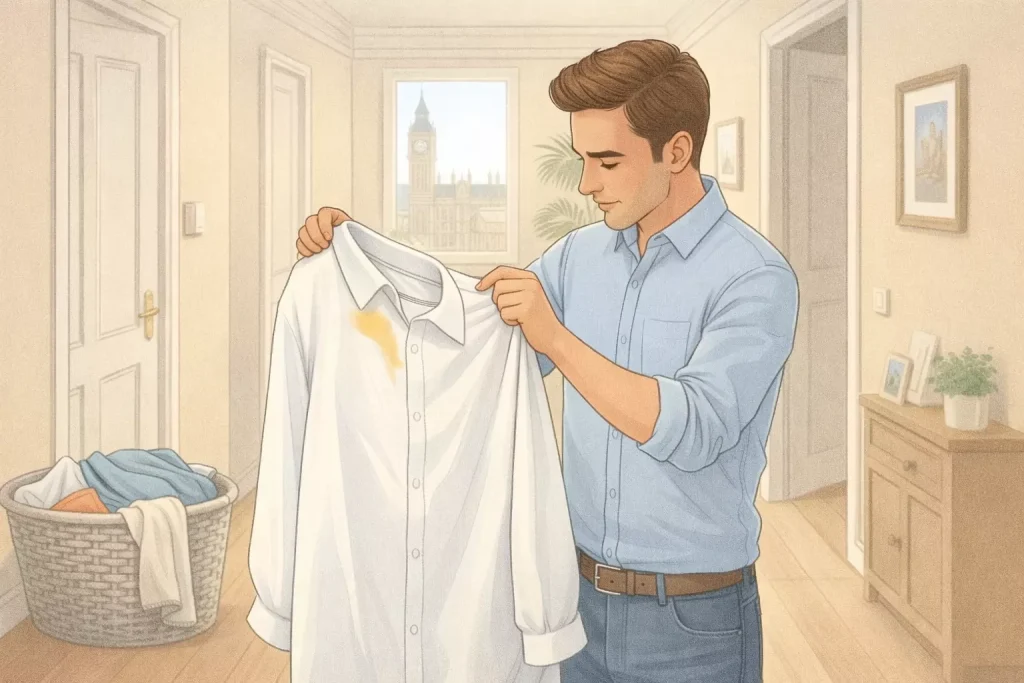
You know the moment. You’re heading out, you catch the light on your collar, and there it is, that chalky white smear that later turns into a yellow patch. If you want to remove sunscreen stains without wrecking the fabric, you need to act before heat and time make it permanent. We see this weekly in North Finchley and Notting Hill, especially on work shirts, summer dresses, and kids’ school polos.
That white mark? Do this first
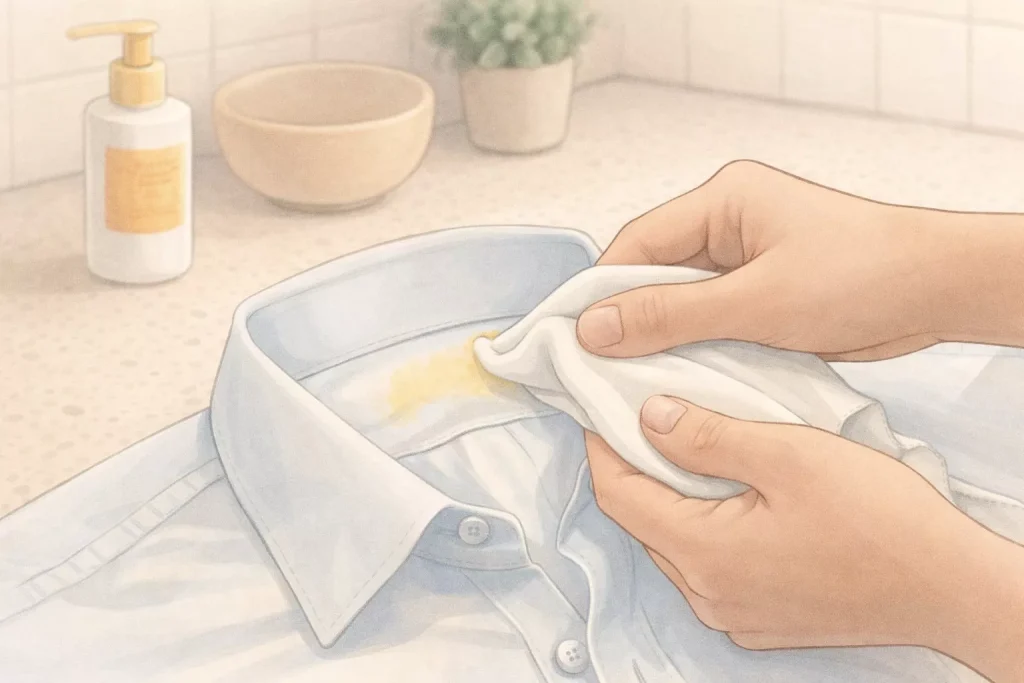
To remove sunscreen stains successfully, the first 60 seconds matter more than fancy products. If the sunscreen is fresh, grab a clean tissue or microfibre cloth and blot firmly. Don’t rub, rubbing pushes oily filters deeper into the fibres and spreads the mark.
Next, check the care label. Cotton and most synthetics can take a proper pre-treatment, but wool, silk, and anything marked “dry clean only” need a gentler approach. If you’re unsure, test on an inside seam first.
Here’s the big rule people ignore: don’t tumble dry until the mark is gone. Heat bakes the oils and UV filters into the fabric, and once that happens you’re often chasing a shadow stain.
The basics of sunscreen staining
To remove sunscreen stains consistently, it helps to understand what you’re dealing with. Think of sunscreen like a greasy primer. It’s designed to cling to skin through sweat and water, so it clings to fabric too. That’s why a quick wash doesn’t always shift it, especially around collars, cuffs, and straps where product transfer is constant.
What’s changing in the sector is the rise in “invisible” formulas that still contain heavy UV filters. They look clear on skin, then show up on clothing as pale smears or later as yellowing. If you’ve ever had “clean” whites come out with faint yellow stains on white clothes, this is often the reason.
A simple way to start is to treat sunscreen like any other oily contaminant. You’re not just cleaning a mark, you’re breaking down a film.
Why sunscreen stains turn stubborn
If you’re trying to remove sunscreen stains and they keep returning, it usually starts with “it looked fine, then it went yellow”. That’s not your imagination, it’s chemistry plus laundry conditions.
Oils grab dirt and detergent residue
Sunscreens use emollients and oils to spread evenly. Those oils bind to fibres and can trap everyday grime. If you wash without pre-treating, you can lift the surface but leave a thin residue that oxidises later.
Avobenzone plus hard water
Some formulas contain avobenzone, a common UVA filter. In hard water areas (London often is), minerals can react with certain sunscreen ingredients and create yellow or rusty-looking staining. That’s why avobenzone stains can appear worse after washing, especially on whites.
High-friction areas get hammered
Collars, underarms, cuffs, swimsuit edges, and bra straps take repeated contact. According to the British Skin Foundation sunscreen guidance, you should reapply sunscreen regularly, including after swimming or sweating, so fabrics can get multiple transfers in a single day.
How to remove sunscreen stains at home
If you want the best odds to remove sunscreen stains, treat them like oil first, then like pigment. Do it in that order and you’ll save yourself a lot of rewashing.
- Scrape off excess: Use a blunt knife or card for thick lotion. Don’t grind it in.
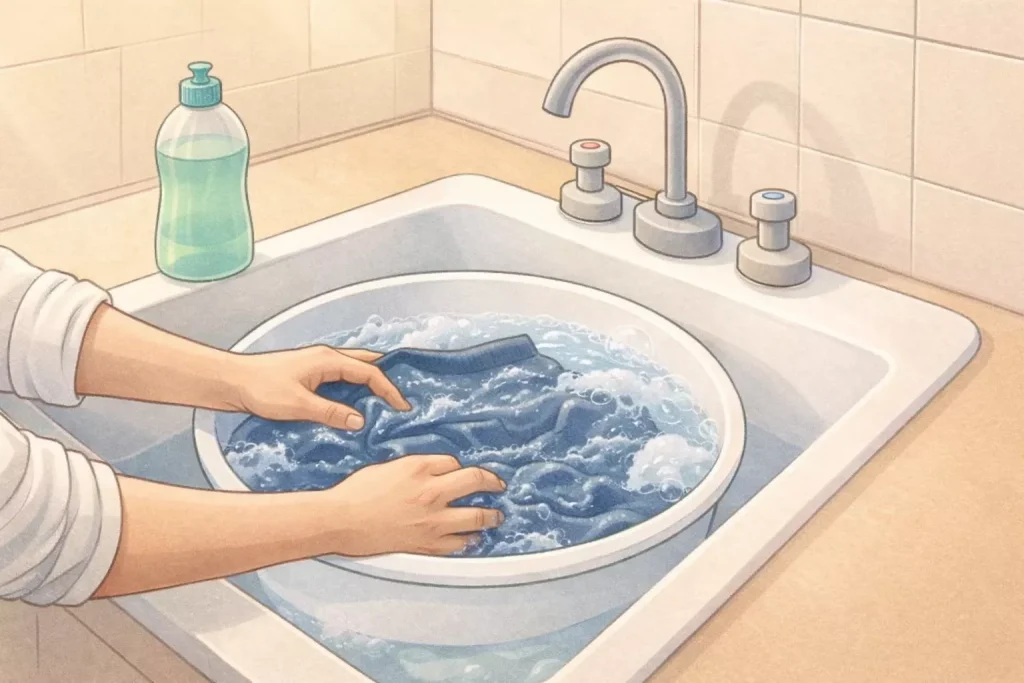
- Pre-treat oily stains: Work a few drops of washing-up liquid or liquid detergent into the mark with your fingers. Give it 10 minutes.
- Rinse from the back: Use cool to lukewarm water, pushing the residue out rather than deeper in.
- Use an oxygen bleach stain remover (colour-safe) if the label allows: Apply or soak for 30 to 60 minutes. Avoid this step on wool and silk.
- Wash smart: Use the warmest temperature the care label allows. For most cotton tees and shirts, 30°C to 40°C is a good range.
- Check before drying: Air dry first and inspect in daylight. If you can still see it, repeat pre-treatment.
Insider tip from the counter: people often use too little detergent because they’re trying to be “gentle”. Sunscreen is one of the few stains where under-dosing makes things worse, because you leave oily residue behind.

Different fabrics need different moves
To remove sunscreen stains without damaging the garment, match the method to the fabric. Most people treat everything like a cotton T-shirt. That’s how delicate items get wrecked.
Cotton and linen usually cope well with proper pre-treatment and an oxygen-based soak. If the stain is older, a 1 to 2 hour soak in a colour-safe oxygen solution can help, then wash as normal. Don’t use boiling water, it can set the oily base.
Polyester, sportswear, and swimwear hold onto oils, but they hate heat. Keep temperatures lower (30°C is often enough) and avoid aggressive scrubbing that causes shine marks. Rinse thoroughly, because detergent residue can make the fabric look “greasy” even if the stain has lifted.
Wool, silk, and “dry clean only” garments need restraint. Don’t hit them with washing-up liquid and hot water, and don’t use oxygen bleach. If it’s a silk dress or a suit jacket, stop early and get professional help before you distort the weave or strip the finish.
Common mistakes that set it forever
If you want to remove sunscreen stains, avoid the shortcuts that bake them in. We can usually tell when a sunscreen mark has been “cooked in”. The fabric looks clean, but the stain sits like a pale halo.
Hot water too early is a classic. Warm is fine for many fabrics, but if you go straight in with very hot water you can lock oils into fibres.
Bleach can backfire on whites. Chlorine bleach may react with sunscreen ingredients and deepen yellowing, especially with avobenzone-type filters. If you need whitening, pick an oxygen-based product designed for laundry and follow the dosing.
Ironing or tumble drying over the mark is the fastest way to make it permanent. If you need crisp workwear, it’s safer to sort the stain first, then finish the garment, we explain the difference in results in our piece on pressing vs ironing for crisp clothes.
For more guidance on avoiding heat damage and setting stains, see our related guide on how to stop stains setting in the tumble dryer.
When to bring it to us
If you’re still trying to remove sunscreen stains after one proper attempt and the stain is still there, don’t keep heat-cycling it. That’s when a quick fix becomes a long job.
You should bring it in if:
- It’s a suit, structured blazer, silk dress, wool knit, or anything “dry clean only”.
- The item has been tumble dried already.
- You’re seeing yellow stains on white clothes that keep coming back.
- It’s a special fabric finish (satins, coated cotton, performance membranes).
To help us treat it properly, tell us what brand or type of sunscreen it was (spray, lotion, mineral), whether it’s been washed, and what temperature you used. That small detail changes the chemistry of how we approach removal.
If you’re local and comparing options, there’s more detail on timings and what you’ll pay in our dry cleaning prices in Notting Hill breakdown.
For a clearer idea of what we can do in-store, see our dry cleaning in Notting Hill service page.
Keeping it from happening again
To remove sunscreen stains less often, prevention beats stain removal, especially in summer when you’re applying sunscreen repeatedly. The NHS also advises reapplying sunscreen regularly during sun exposure, particularly after swimming or sweating, which means clothing gets more transfer than most people realise (according to the NHS sunscreen and sun safety advice).
A few habits that actually work:
- Let sunscreen dry for 10 minutes before dressing, especially around necklines and straps.
- Apply away from your clothes, then wash hands before touching collars.
- Keep a “pre-treat basket” in the bathroom for collars, cuffs, and straps so you don’t forget.
If you’re in a hard water area, consider using a water softening additive occasionally. Hard water staining can make pale marks look worse over time, and it also reduces detergent performance.
One contrarian tip we swear by: mineral sunscreens can leave obvious white transfer, but some “clear” chemical sunscreens are the ones that end up yellowing later. If you keep getting repeat stains, switch formula and track it for two weeks.
If you want a local option for delicate items, our dry cleaning in North Finchley service page explains what to bring in and what to expect.
Frequently asked questions
Do sunscreen stains come out in the wash?
Sometimes, yes, but only if you pre-treat first. A standard wash often shifts the surface but leaves an oily film, so you think it’s gone until it dries and shows again.
Can I use bleach on sunscreen stains on white clothes?
Avoid chlorine bleach. It can react with UV filters and worsen yellowing. Use an oxygen bleach stain remover instead, and only on fabrics that allow it.
How do I remove sunscreen from a delicate “dry clean only” dress?
Don’t scrub it or soak it at home. Blot the fresh residue, keep it dry, and bring it in quickly so we can treat it with the right solvent and avoid watermarking.
Why do sunscreen stains turn yellow after washing?
UV filters plus oils can oxidise, and hard water minerals can trigger yellowing, especially on whites. That’s why avobenzone stains often show up after the wash, not before.
Will tumble drying set a sunscreen stain?
Yes. Heat can lock the oily base into the fibres. If you’re trying to lift sunscreen marks, air dry and check first, every time.
Quick local help in London
If you’ve done the home steps and the mark still laughs at you, bring it in. We’ll take a proper look, check the fabric, and treat it before the stain sets any deeper. If you’re juggling a busy week, our local routines for drop-off and turnaround tend to suit people who want “sorted” without fuss.
You can pop into Glint Express at either location:
North Finchley: 9 Halliwick Court Parade, Woodhouse Road, London N12 0NB | 020 3376 2060 | nfinchley@glintexpress.co.uk
Notting Hill: 341 Ladbroke Grove, London W10 6HA | 0745 030 2088 | NottingHill@glintexpress.co.uk
If you want us to deal with sunscreen marks on a suit, silk, or a favourite summer dress, drop it off today and tell us what you’ve tried so far. We’ll do the rest.
Conclusion
To remove sunscreen stains reliably, act fast, pre-treat the oily base, avoid heat until the mark has gone, and tailor the method to the fabric. If the item is delicate, has been tumble dried, or keeps yellowing after washing, bring it in so we can treat it safely without damaging the garment.