Simple Ways to Eliminate Musty Clothes Smell

Musty clothes smell can be a real nuisance, especially when it seems impossible to shift. If you are dealing with a lingering damp odour in your wardrobe, do not worry. Let’s explore practical, proven ways to remove stale, damp odours and keep your clothes fresh in a typical London home.
That musty clothes smell that won’t go away: what’s really going on?
If the musty clothes smell keeps returning, it usually means moisture is lingering somewhere in the process, either in the fabric, the storage space, or the machine. The most common causes are:
- Damp conditions and slow drying: Clothes that take too long to dry (especially in winter or in small flats) can develop a stale, damp odour.
- Bacteria and mildew: Microbes thrive in warm, moist environments such as a laundry basket, a gym bag, or a tightly packed wardrobe.
- Detergent and fabric conditioner residue: Overdosing detergent or using too much conditioner can trap oils and odours in fibres.
- Poor airflow in wardrobes: Packed rails, closed doors, and items stored before fully dry can create a perfect environment for that “old cupboard” smell.
It is also worth noting that a persistent damp odour can be a sign of a wider issue in the home, such as condensation or mould. If you notice visible mould, recurring condensation on windows, or a constant damp smell in a room, take it seriously. The UK Health Security Agency explains why damp and mould should not be ignored due to potential health impacts.
Quick checks before you rewash anything
Before you start another wash, do a few quick checks to pinpoint the source of the musty clothes smell. This saves time and prevents you from repeating the same cycle that caused the problem.
Smell test in three places
- The fabric: Does the odour come from the garment itself, especially underarms, cuffs, or thicker seams?
- The wardrobe or drawers: Does the storage area smell stale even when empty?
- The washing machine: Does the drum, door seal, or detergent drawer smell damp?
Check the care label and your temperature choice
Washing too cool can leave oils and residues behind, but washing too hot can set odours into some fabrics. Match the cycle to the garment and consider a slightly warmer wash if the label allows.Look for “time traps”
- Leaving wet laundry in the drum for hours.
- Leaving damp items in a basket.
- Hanging clothes in a poorly ventilated room with no airflow.
Inspect problem items
Towels, sportswear, and thick cottons are frequent culprits because they hold water longer. If only a few items smell, treat those specifically rather than rewashing everything.
How to remove musty clothes smell at home (step-by-step)
If you want to remove the musty clothes smell properly, aim to do three things: break down residues, kill odour-causing microbes, and dry fast.
Rewash the right way (load size and rinse matter)
- Wash a smaller load so water and detergent can circulate.
- Use the warmest temperature the fabric allows.
- Add an extra rinse to flush out leftover detergent and conditioner.
Use the right add-ons (choose one approach)
- White vinegar (rinse cycle): Helps neutralise odours and reduce residue build-up. Add it to the fabric softener compartment.
- Oxygen-based bleach (colour-safe, if suitable): Useful for towels and whites because it breaks down organic residues.
- Bicarbonate of soda (wash cycle): Can help lift stale smells, especially in cottons.
Avoid mixing products unless you are sure they are compatible, and never mix bleach with vinegar.
Target the worst areas
For shirts, activewear, and items with seams that trap odour, pre-soak for 30 to 60 minutes (following label guidance). This is often more effective than simply adding more detergent.Dry quickly and completely
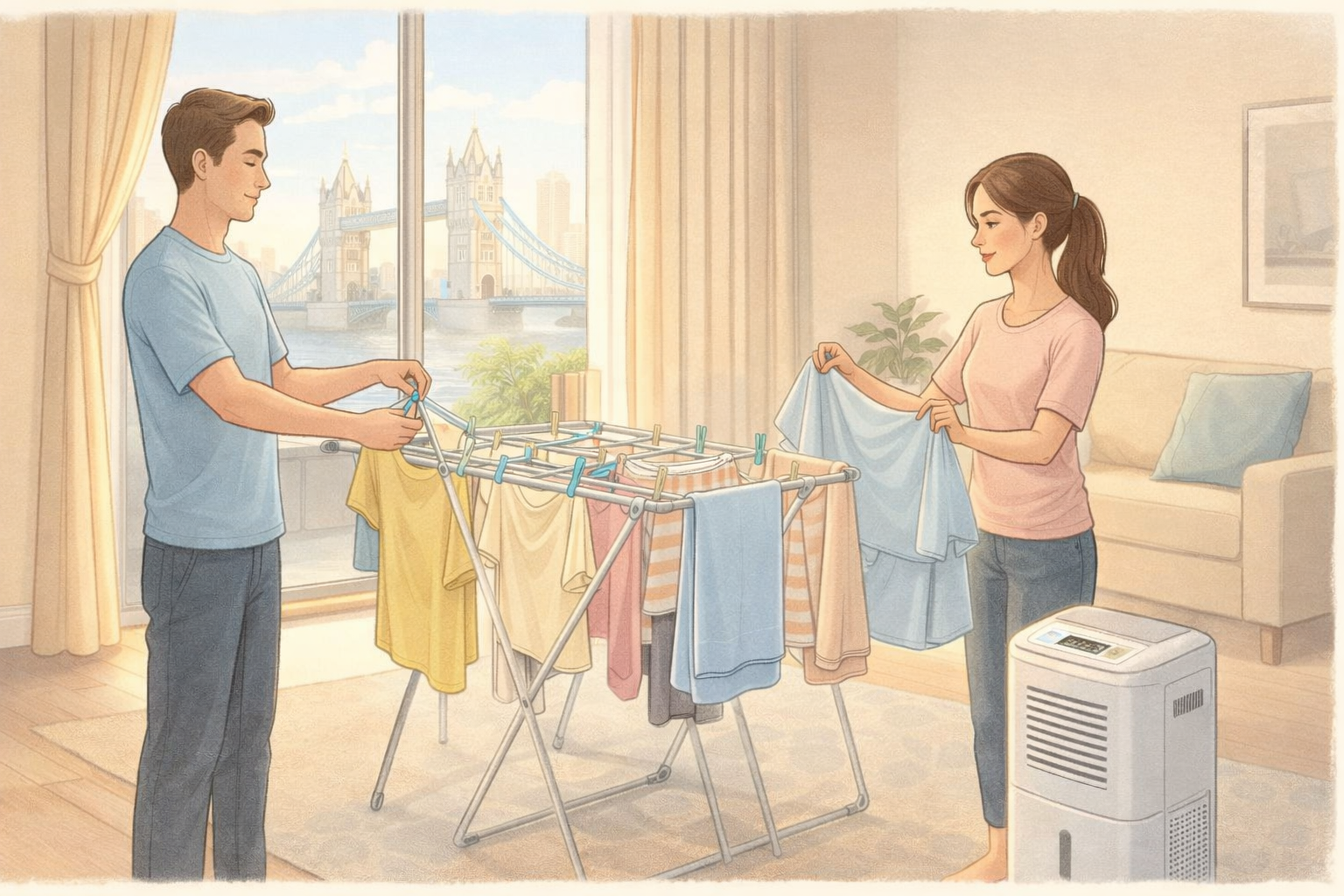
- Prioritise airflow: open a window, use a fan, or run a dehumidifier.
- If using an indoor airer, space items out and turn them halfway through.
- If you can, use sunlight as it helps freshen fabrics.
Do a final sniff check before storing
If an item still smells even slightly damp or stale, do not put it away. Storing it too soon is one of the fastest ways to bring the odour back.
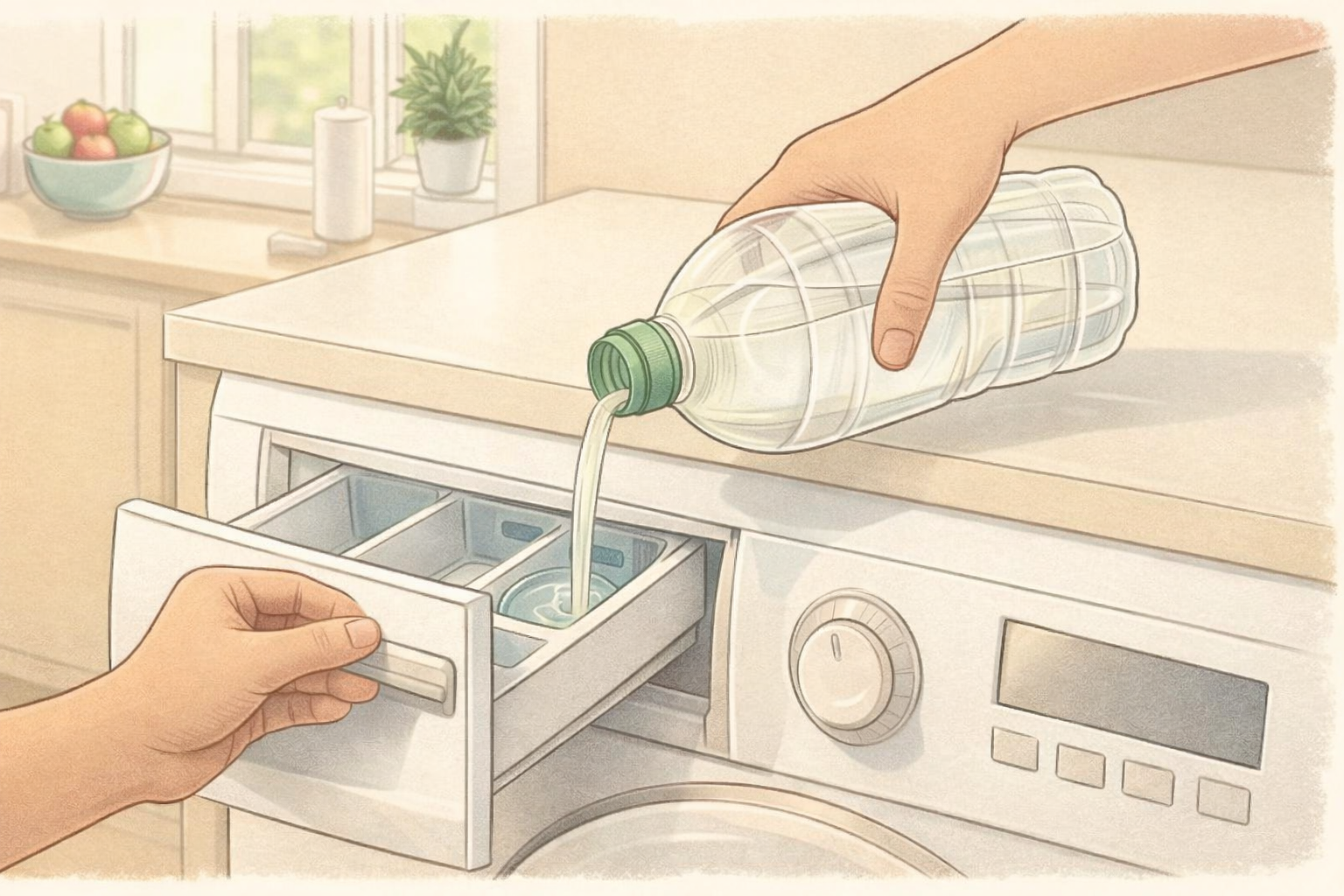
If the musty smell is coming from your washing machine
Sometimes the issue is not the laundry routine but the appliance. If your machine smells damp, it can transfer that odour to clean clothes, creating a repeating cycle that keeps the musty clothes smell coming back.
Common hidden areas that harbour grime and mildew:
- Detergent drawer: Residue and standing water build up quickly.
- Door seal (rubber gasket): Traps lint, hair, and moisture.
- Filter and drain area: Can hold stagnant water and debris.
- Drum and inner pipes: Biofilm can develop over time, especially with frequent cold washes.
What to do:
- Clean the drawer and seal weekly if you wash often.
- Run a maintenance cycle (hot wash) with a suitable washing machine cleaner.
- Wipe the seal dry after the last wash of the day.
- Leave the door ajar so the drum can dry out.
For additional guidance, Which? has practical advice on keeping your machine in good condition.
Everyday habits also matter. Use the correct detergent dose for your water hardness and load size, and avoid overusing fabric conditioner, which can coat fibres and trap odours.
If you are unsure whether your appliance is contributing to lingering odours, see our guide on how to clean a washing machine for a simple checklist.
You may also find our guide on launderette vs dry cleaning useful if you are deciding whether home washing is the right option for a particular fabric.
Tricky items: towels, sportswear, wool, and ‘dry clean only’
Some fabrics hold onto odours more stubbornly than others. If you are dealing with musty clothes smell on specific items, tailor your approach.
Towels and bedding
- Wash warmer if the label allows.
- Consider an oxygen-based bleach for whites.
- Make sure towels dry fully between uses, and do not leave them bunched on a radiator or in a heap.
Sportswear and synthetics
- Use an enzyme detergent designed to break down sweat and body oils.
- Avoid heavy fabric conditioner, which can reduce breathability and trap smells.
- Air-dry promptly with good ventilation.
Wool, coats, suits, and delicates
- Air items outside or near an open window (avoid damp days).
- Use a fabric-safe refresher spray if appropriate.
- For structured garments, professional cleaning is often the safest option.
If an item is labelled “dry clean only”, repeated home washing can damage the shape, lining, or finish, even if it seems to help temporarily.
Stop musty clothes smell coming back (storage and routine)
Preventing a musty clothes smell is usually easier than removing it. The goal is to reduce moisture, improve airflow, and keep storage areas clean.
Wardrobe and drawer tips
- Leave space between garments so air can circulate.
- Do not store clothes until they are completely dry, including waistbands, pockets, and thicker seams.
- Use moisture control where needed (silica gel packs or wardrobe dehumidifiers).
- Wipe down wardrobe interiors occasionally, especially if the room is prone to condensation.
Laundry routine upgrades
- Wash gym kit and towels promptly rather than letting them sit in a bag.
- Clean laundry baskets and hampers (a quick wipe with warm soapy water helps).
- Rotate seasonal clothing and check stored items every few weeks.
If you are drying indoors, consider a dehumidifier in winter. It speeds up drying and reduces the chance of stale odours developing in the first place.
For more local laundry guidance, you may also find our guide to the best launderette in North Finchley helpful.
When it’s time to bring it to a launderette or dry cleaner in London
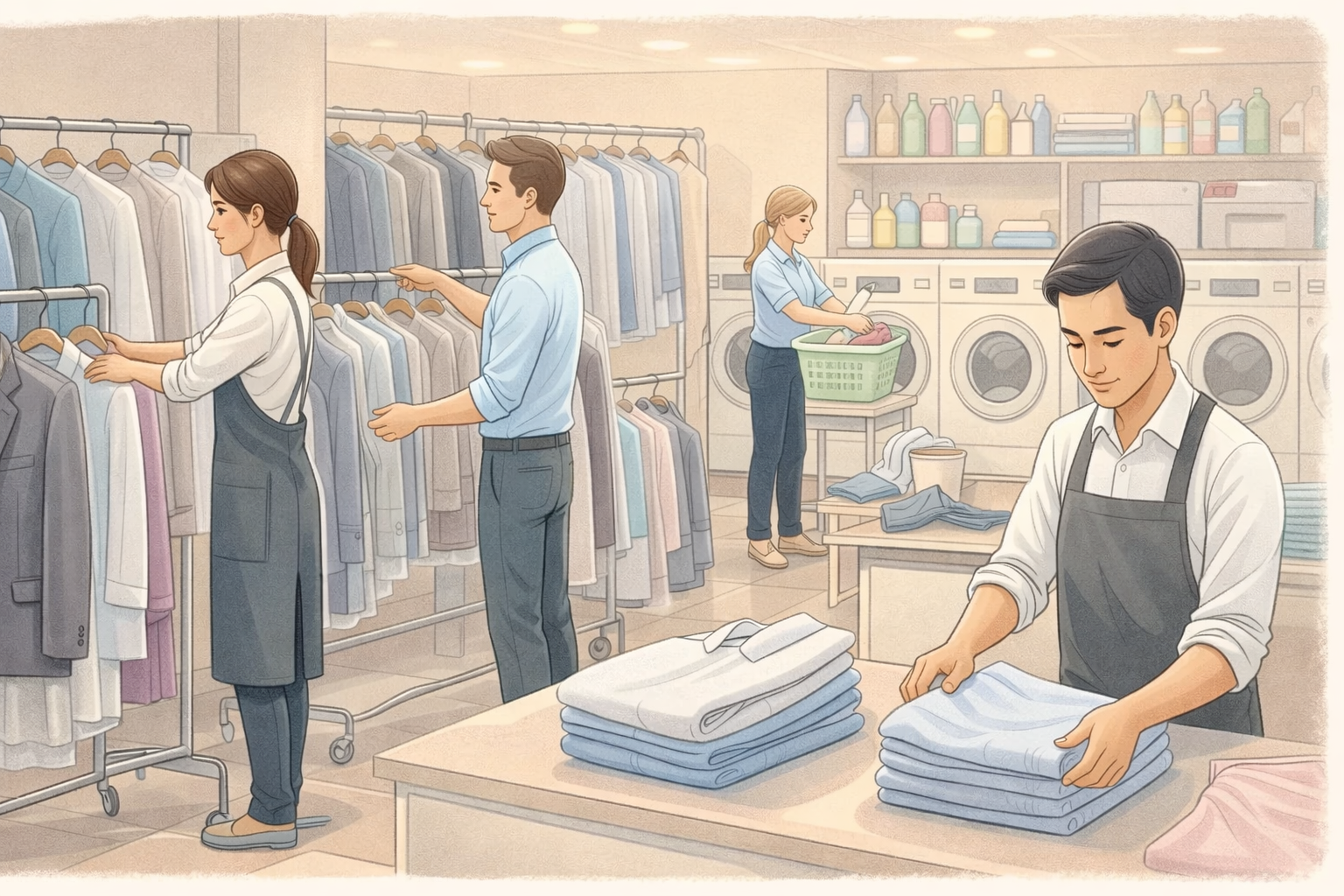
If the musty clothes smell is deeply set, or you cannot dry items quickly at home, professional equipment can make a noticeable difference. This is especially true for bulky loads and hard-to-dry fabrics.
Consider a launderette or dry cleaner when:
- You have large items (duvets, heavy blankets, thick coats) that stay damp for too long at home.
- The odour returns after multiple home washes.
- You need fast, thorough drying to prevent smells from reappearing.
- Items are delicate, structured, or labelled “dry clean only”.
Professional services can use fabric-appropriate cycles, commercial-grade machines, and controlled drying that reduces the risk of lingering dampness.
If you are local, Glint Express offers laundry support in North Finchley and Notting Hill. You can also browse our latest tips and updates on the Glint Express blog for more clothing care advice.
If you want a quick overview of services before you visit, see our laundry services page.
FAQs
Why do my clothes still smell musty after washing?
This usually happens when clothes dry too slowly, detergent residue builds up, or the washing machine has mildew in hidden areas. Improving airflow during drying and running a machine maintenance clean often fixes the issue.
Does vinegar really remove musty smells from clothes?
Vinegar can help neutralise odours and reduce residue. Add it to the rinse compartment and use it occasionally rather than in every wash.
How do I get musty smell out of ‘dry clean only’ coats or suits?
Air them thoroughly first. If the odour persists, professional cleaning is the safest option to avoid damaging the fabric structure and lining.
Can a dirty washing machine make clean clothes smell damp?
Yes. Build-up in the detergent drawer, door seal, filter, or drum can transfer odours to freshly washed items.
How do I stop towels from smelling musty in winter?
Dry them quickly with good airflow, avoid leaving them in a heap, and wash them warm when the care label allows. A dehumidifier can help if you dry indoors.
Conclusion
A persistent musty clothes smell is usually a sign of trapped moisture, residue, or a washing machine that needs attention. With the right wash method, faster drying, and better storage habits, you can keep clothes smelling clean for longer. If you are short on drying space, dealing with bulky items, or want help with stubborn odours, visit Glint Express in North Finchley or Notting Hill and we will be happy to help.
Glint Express North Finchley: 9 Halliwick Court Parade, Woodhouse Road, London N12 0NB | 020 3376 2060
Glint Express Notting Hill: 341 Ladbroke Grove, London W10 6HA | 0745 030 2088