How to Remove Pet Hair from Clothes (The Methods That Actually Work)
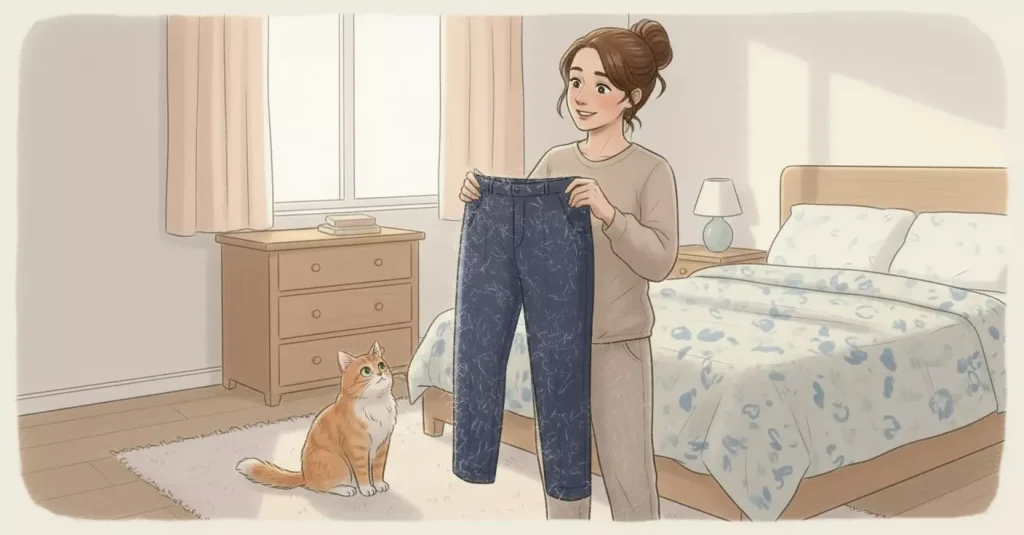
I love my dog more than most people, if I’m honest. But the amount of fur that transfers from her onto absolutely everything I own is genuinely impressive. I used to arrive at work looking like I’d been rolling around on the floor with her, which, to be fair, I probably had been. Black trousers were the worst. I’d spend ten minutes with a lint roller every morning and still find ginger hairs appearing throughout the day.
If you’ve got pets, you know this struggle intimately. That moment when you’re already running late, you grab your coat, and it’s covered in a fresh layer of fur even though you swear you cleaned it yesterday. It’s exhausting. But I’ve learned some tricks over the years that genuinely work, and I want to share them because nobody should have to choose between having pets and wearing dark colours.
Why Pet Hair Is So Incredibly Stubborn
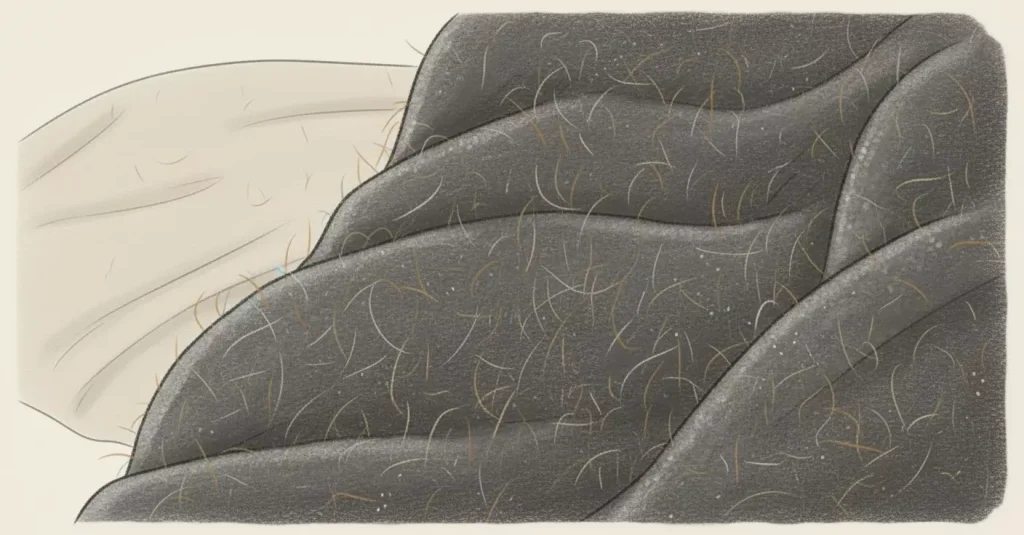
Here’s what makes pet hair such a nightmare to remove. It’s not just lying on top of your clothes. The individual hairs have tiny barbs and scales on them, almost like miniature fish hooks, that catch onto fabric fibres and hold on tight. When you add static electricity to the mix, which most synthetic fabrics generate, the hair basically glues itself to your clothing.
Dog hair and cat hair behave slightly differently, too. Cat hair tends to be finer and more staticky, so it spreads everywhere and clings to everything. Dog hair varies massively by breed. Short-haired dogs shed constantly in small amounts. Long-haired dogs shed less frequently but in bigger clumps. Double-coated breeds like huskies and retrievers are basically shedding machines, and their undercoat is particularly clingy.
The type of fabric matters enormously. Fleece, velvet, wool, anything with a textured or fuzzy surface is a magnet for pet hair. Smooth fabrics like silk or tightly woven cotton are much less problematic. But we can’t just wear silk pyjamas all the time, can we? Although that would be lovely.
The Washing Machine Trap Everyone Falls Into
Most people think chucking everything in the washing machine will sort out the pet hair problem. I thought this too for years. You wash the clothes, the hair goes down the drain, job done. Except it doesn’t work that way at all.
What actually happens is the hair loosens slightly during the wash, floats around in the water, and then redistributes itself across all the clothes in the load. So you start with one jumper covered in dog hair and end up with an entire load lightly coated in it. Brilliant.
The hair also clumps together when wet and sticks to the inside of your washing machine drum. Over time, this builds up and can actually clog your machine’s filter or drain. I had a washing machine repair person come out once, and when he pulled out the filter, there was a solid lump of matted pet hair the size of my fist blocking it. I was mortified.
Tumble dryers have the same issue. The lint trap catches some hair, but not all of it. If you’re putting hair-covered clothes straight from the washer into the dryer, you’re just baking that hair onto the fabric with heat. It sets in and becomes even harder to remove.
The Dryer First Method That Changed Everything
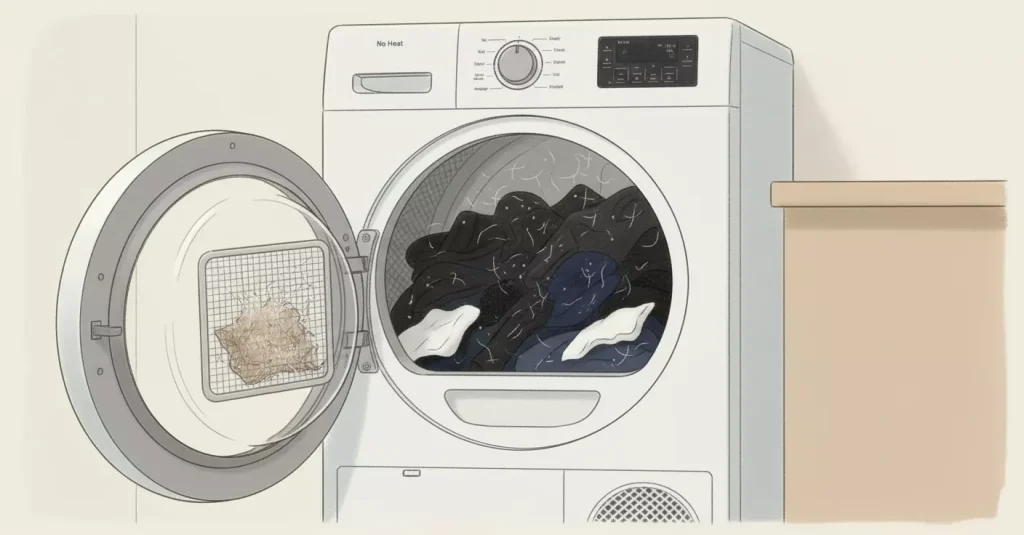
This is the technique that genuinely transformed my life, and I’m not exaggerating. Instead of washing first, you put your hair-covered clothes in the dryer first, before they’ve been washed at all.
Set your dryer to no heat or the air-fluff setting. Throw in a couple of dryer sheets with your clothes. Run it for about ten minutes. The tumbling action loosens the pet hair from the fabric, and the dryer sheets reduce static, so the hair stops clinging and gets pulled into the lint trap instead.
When you open the dryer after ten minutes, you’ll be genuinely shocked at how much fur is in the lint trap. It’s satisfying in a slightly disgusting way. Your clothes won’t be completely hair-free, but they’ll be dramatically better. Then you can wash them as normal, and the remaining hair will actually rinse out properly because it’s not embedded in the fabric anymore.
I do this with absolutely everything now. Bedding, throws, my dog’s blankets, all of it gets ten minutes in the dryer before washing. It’s added a bit of time to my laundry routine, but it’s completely worth it for actually clean clothes.
The Rubber Glove Trick That Sounds Mad But Works
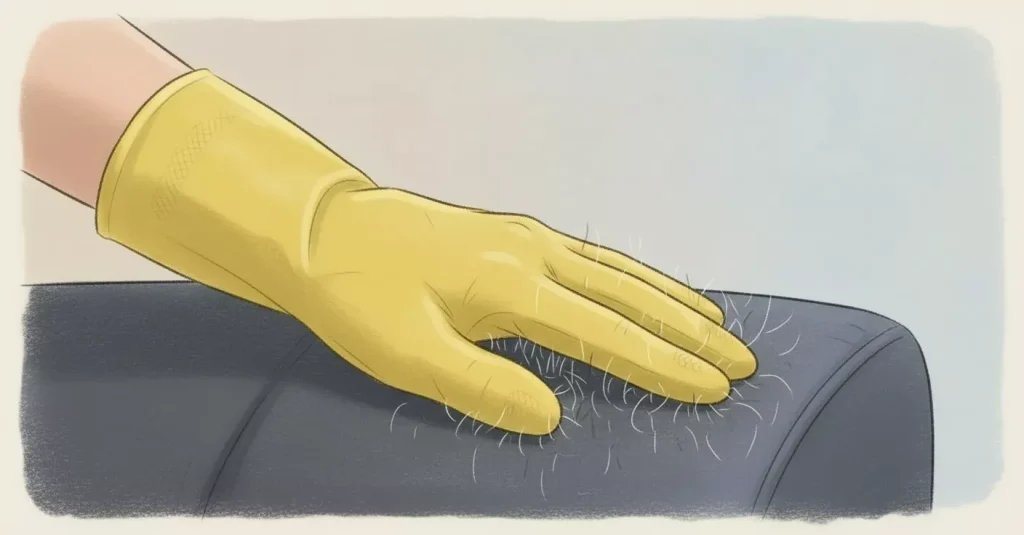
I was sceptical about this one when someone first told me about it. But desperate times call for desperate measures, and I tried it. It works brilliantly.
Put on a rubber washing-up glove, the cheap yellow ones you use for dishes. Dampen it very slightly under the tap. Then just rub your gloved hand over the fabric in one direction. Don’t go back and forth, just one direction. The pet hair rolls up into little clumps that you can pick off and throw away.
The science behind it is actually quite clever. The friction between the rubber and the fabric creates static electricity, which makes the hair stick to the glove instead of the clothes. The slight dampness helps too. It’s weirdly satisfying watching the hair collect in balls on your glove.
This method works brilliantly on furniture as well. I use it on my sofa at least twice a week. It’s faster than vacuuming and more effective than a lint roller for large surfaces. Plus, you don’t need any special equipment. Everyone’s got rubber gloves lying around.
Lint Rollers: When They Work and When They Don’t
Lint rollers are the obvious solution, and they do work for quick fixes. I keep one by my front door, one in my car, and one in my desk drawer at work. They’re essential for last-minute touch-ups before meetings or social events.
But they’re not a long-term solution for heavily furred clothes. You’ll go through roll after roll of sticky sheets, which gets expensive and creates a lot of waste. I was spending about fifteen quid a month on lint roller refills at one point, which seemed insane.
For everyday maintenance, lint rollers are fine. For dealing with clothes that are properly covered in pet hair, you need something more effective. Save the lint roller for finishing touches, not the main clean.
There are reusable lint rollers available now that don’t use sticky sheets. They have a special fabric that attracts hair, and you just rinse them clean after use. I’ve got one from Lakeland that’s lasted me two years so far. Much better value and less wasteful.
The Vinegar Hack for Stubborn Hair
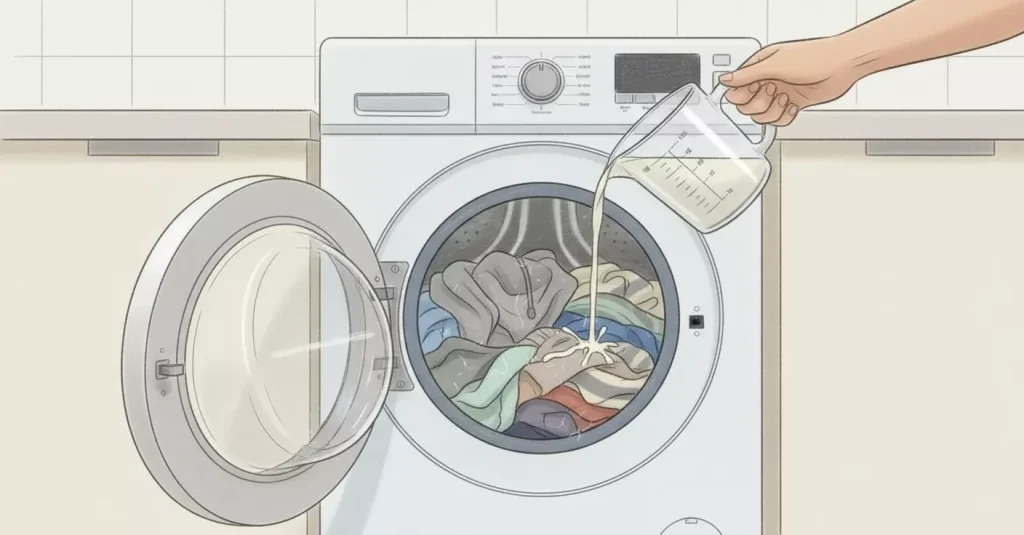
White vinegar is one of those miracle products that solves about a hundred different household problems, and pet hair is one of them. Adding half a cup of white vinegar to your wash cycle helps loosen pet hair from fabrics.
Vinegar softens the water, which reduces static cling. It also helps break down the natural oils in pet hair that make it stick to fabric. Plus, it’s brilliant for removing pet odours, which is a bonus if you’re washing bedding or anything your pet sleeps on.
Don’t worry about your clothes smelling of vinegar. Once they’re dry, there’s no vinegar smell at all. I was worried about this the first time I tried it, but honestly, you’d never know. The clothes just smell clean and fresh.
Some people add the vinegar to the fabric softener compartment. I just pour it straight into the drum with the clothes. Either way works fine. It’s cheap, it’s natural, and it genuinely makes a difference to how much hair comes off in the wash.
The Fabric Softener Myth You Need to Know
You’d think fabric softener would help with pet hair, wouldn’t you? Makes the clothes softer, reduces static, sounds perfect. But actually, fabric softener can make the pet hair problem worse.
Fabric softener works by coating fabric fibres with a waxy substance. This coating makes clothes feel softer, but it also makes them more likely to attract and hold onto pet hair. The hair sticks to the waxy residue, and it’s harder to remove in subsequent washes.
If you’ve been using fabric softener regularly on clothes that constantly have pet hair on them, try stopping for a few washes and see if it helps. I noticed a real difference when I switched from fabric softener to just using vinegar instead.
Dryer sheets are different. They do reduce static without leaving the same coating that fabric softener does, so they’re actually helpful for pet hair removal. Just don’t go overboard. One or two sheets per load is plenty.
Pre-Treatment Methods That Save Time Later
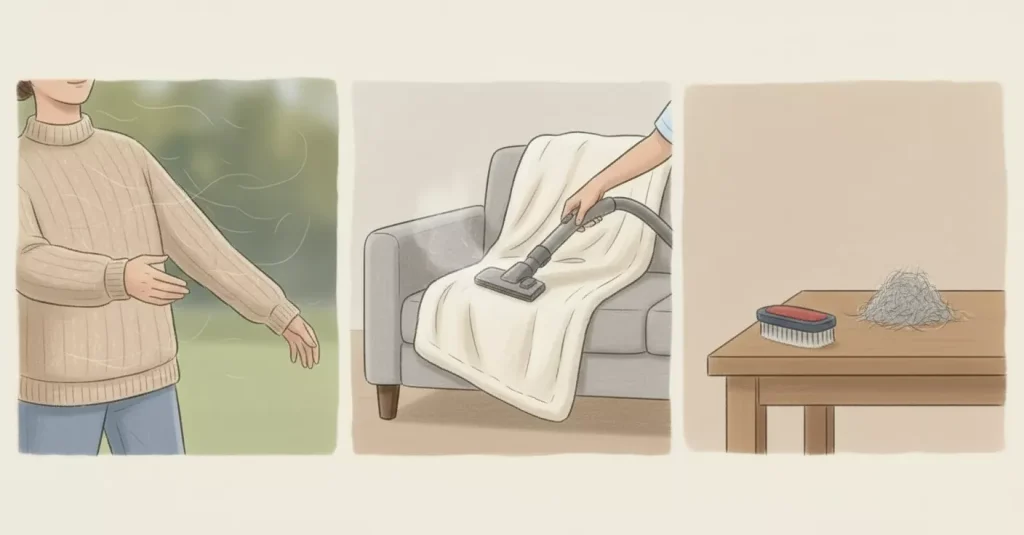
Before you even think about washing, it’s worth spending five minutes pre-treating heavily furred items. This sounds like extra work, and it is, but it saves you from having to rewash things because they’ve come out still covered in hair.
For smaller items like jumpers or trousers, take them outside and give them a really good shake. I mean a proper vigorous shake, not a gentle flutter. This dislodges a surprising amount of loose hair before it ever gets near your washing machine.
For larger items like blankets or duvets, I use my vacuum cleaner with the upholstery attachment. Just vacuum over the surface before washing. It picks up loads of hair and means less hair going into your machine.
A fabric brush can work well too. They’ve got rubber or wire bristles that pull hair off fabric. You can get them from places like Dunelm or Wilko. Brush in one direction, collect the hair, and dispose of it before washing.
Preventing Hair Transfer in the First Place
The best solution to pet hair on clothes is preventing it from getting there in the first place. I know, easier said than done when you’ve got a cuddly dog or a cat that insists on sleeping on your pillow.
Washable throws or blankets on furniture help enormously. Put them on the sofa, the bed, wherever your pet likes to lounge. When they get furry, you can wash just the throw rather than trying to clean an entire sofa. I’ve got about five throws in rotation now, and it’s made such a difference.
Keep a dedicated set of “pet clothes” for at home. Comfortable stuff you don’t mind getting covered in fur. Then change before you leave the house into your non-furry outfit. This sounds excessive, but it really does help if you’re serious about not wearing pet hair to work.
Regular grooming is crucial. Brush your pet daily if they shed heavily. The more hair you remove during grooming, the less ends up on your furniture and clothes. I brush my dog every evening while we’re watching telly, and the amount of hair I collect is genuinely frightening. But better on the brush than on my clothes.
When Professional Cleaning Is the Answer
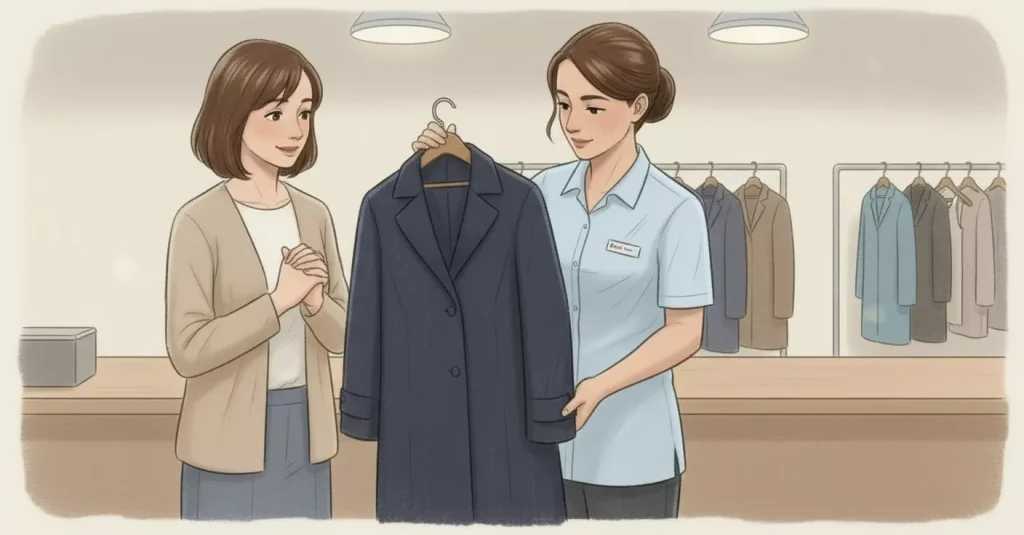
Sometimes, despite your best efforts, you’ve got items that are so covered in pet hair or so delicate that home cleaning isn’t appropriate. Wool coats, suits, anything that needs dry cleaning rather than machine washing, these often end up covered in pet hair too.
Professional cleaners have industrial equipment that’s far more effective than home machines at removing pet hair. They can pre-treat items properly, use specialised techniques for different fabrics, and get results you simply can’t achieve at home.
I had a beautiful wool coat that I’d basically given up on because it was constantly covered in dog hair. Nothing I tried at home worked. I took it to a professional cleaner, and it came back looking brand new. They’d somehow removed every single hair. It was like magic.
For items you really care about, or for things where pet hair has become seriously embedded, professional cleaning is worth every penny. You’re not just paying for the cleaning itself, you’re paying for the expertise and equipment that makes the impossible possible.
The Reality of Living With Furry Friends
Let’s be honest. If you have pets, you’re going to have pet hair on your clothes sometimes. That’s just life. The goal isn’t perfection, it’s damage control. Getting most of the hair off most of the time is a reasonable target.
I’ve stopped stressing about the occasional stray hair on my clothes. If someone judges me for having dog hair on my trousers, that says more about them than it does about me. Most people understand. Pet owners recognise their own kind by the telltale fur sprinkles.
That said, there are situations where you really do need to be completely hair-free. Job interviews, important meetings, weddings, these warrant the full hair-removal treatment. Plan ahead for these events. Don’t leave it until the morning of to discover your outfit is covered in fur.
Making It Manageable Long-Term
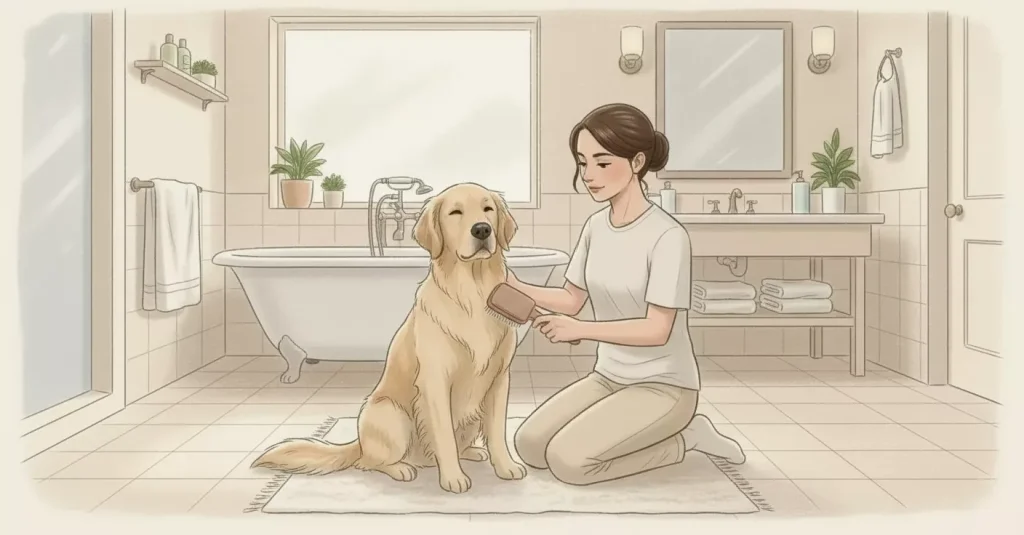
The key to living with pets without drowning in fur is developing a routine that works for you. For me, that’s a quick brush of the dog every evening, using the dryer-first method for laundry once a week, and keeping lint rollers strategically placed around the house and car.
I wash throws and pet bedding separately from my own clothes, always. This prevents cross-contamination. Pet items get the full vinegar treatment and extra rinse cycles. My clothes get gentler handling.
Choosing the right fabrics helps too. I’ve basically stopped buying fleece or velvet anything because the pet hair situation is just too frustrating. Smooth cotton, denim, tightly-woven fabrics, these are your friends when you’ve got shedding pets.
Getting Expert Help When You Need It
Look, I’ve learned a lot about pet hair removal over the years, but there are still times when I need help from people who actually know what they’re doing. Particularly with expensive or delicate items where I don’t want to risk ruining them.
If you’re anywhere near North Finchley or Notting Hill and you’re dealing with pet hair nightmares on clothes that need proper care, we’d be happy to help at Glint Express. We see pet hair issues constantly in our North Finchley and Notting Hill branches, and we’ve got the equipment and expertise to deal with even the most stubborn situations.
Bring in those coats or suits or whatever’s driving you mad with embedded pet hair, and we’ll have a proper look. We’ll be straight with you about what we can do and what’s realistic. Sometimes professional cleaning transforms items you thought were beyond help. It’s worth asking.
Pet hair on clothes is one of those frustrating daily battles that comes with having animals you love. But with the right techniques and a bit of routine, it’s absolutely manageable. Your pets are worth the extra effort, even on the days when you’re finding fur in places you didn’t know fur could reach. Trust me, I’ve been there.